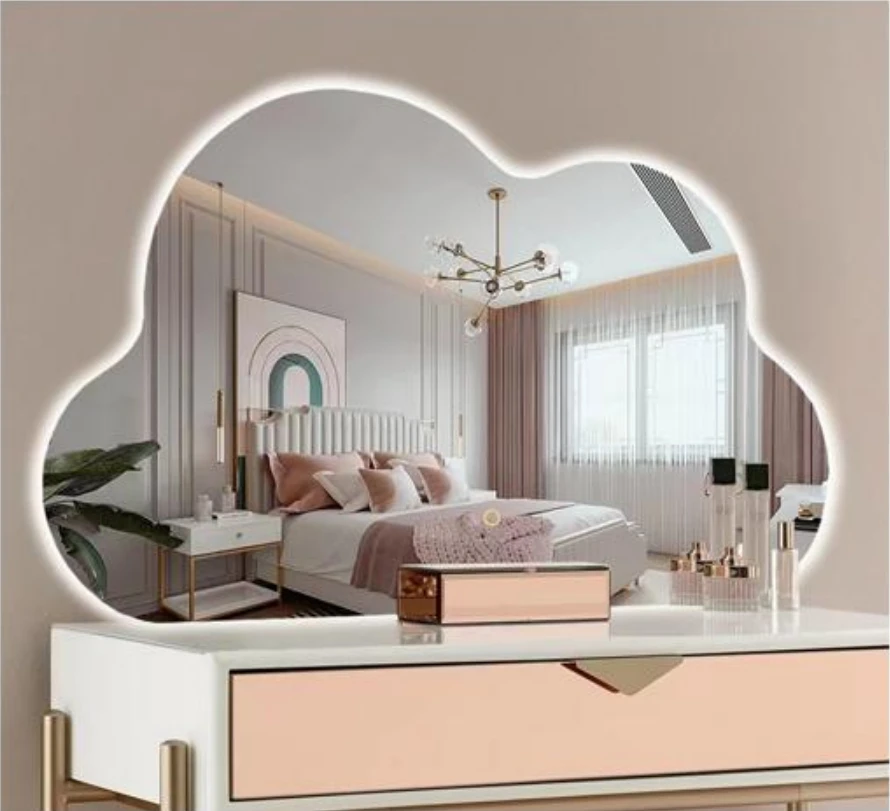
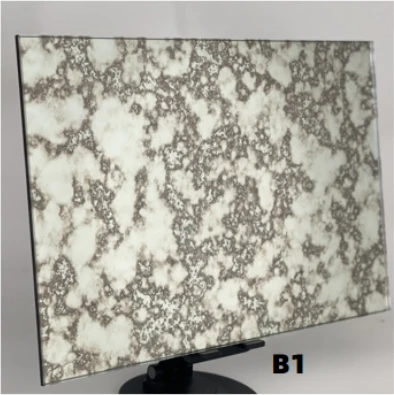
High-Performance dual low e glass Solutions for US Architecture

Engineering sustainable transparency and thermal efficiency for the diverse climatic demands of the North American market.

High-Performance dual low e glass Solutions for US Architecture

Specializing in the manufacture of high-precision flat glass that combines optical clarity with advanced thermal insulation to meet strict US energy codes.

Current Landscape of Flat Glass in the United States

Adapting to extreme temperature fluctuations and stringent LEED certifications.

The United States market is currently characterized by a sharp transition toward sustainable building materials. In regions like the Northeast and Midwest, the demand for float glass has evolved from basic structural needs to high-performance thermal barriers that can withstand severe winters while reducing HVAC costs.

Economically, the US construction sector is prioritizing energy-efficient glazing to comply with updated International Energy Conservation Codes (IECC). This has led to a surge in the adoption of low iron glass sheet for commercial storefronts where maximum light transmission and a neutral color palette are essential for luxury branding.

Furthermore, the architectural trend in the Sun Belt states emphasizes solar heat gain coefficient (SHGC) reduction. This environment drives the integration of specialized coatings, making the transition from standard clear glass to advanced engineered surfaces a necessity for modern American urban development.
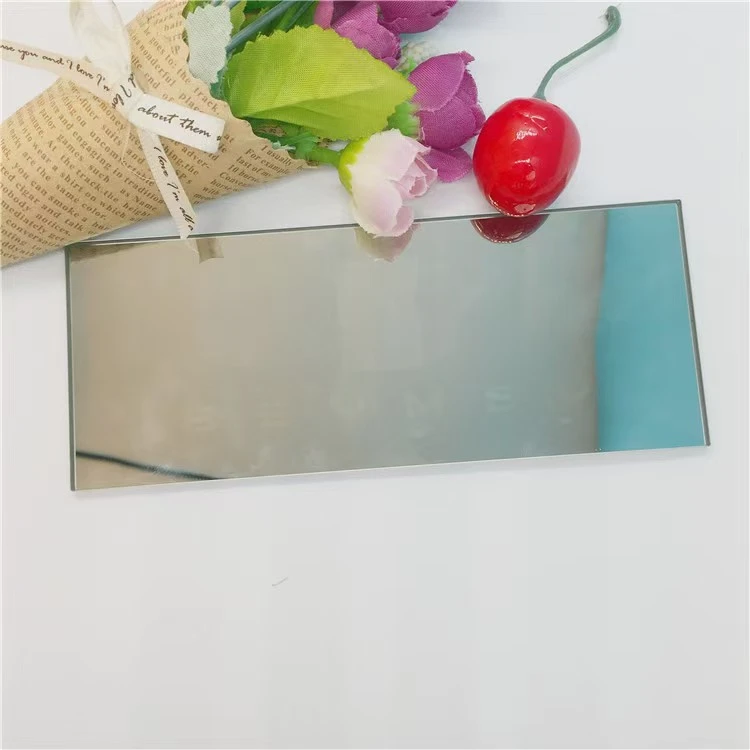
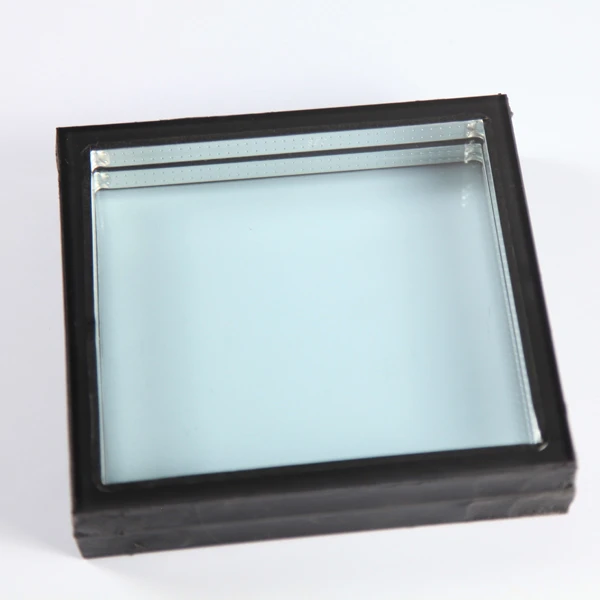
Evolution and Technical Trajectory of US Glass Manufacturing

From traditional float processes to multi-layered spectral control.

Market Development History

In the mid-20th century, the US industry relied heavily on standard float processes, focusing on uniformity and mass production. The primary goal was structural integrity and basic transparency for the booming post-war suburban expansion.

Between 1990 and 2010, the shift toward "Green Building" introduced the first wave of Low-E coatings. This era saw the rise of clear glass low iron variants, as architects demanded the removal of the greenish tint characteristic of standard glass to enhance natural daylighting.

From 2015 to the present, the industry has entered the era of "Active Glass." The development of white coated glass and dual-silver coatings allowed for a precise balance between U-value and visible light transmittance, meeting the rigorous demands of LEED Platinum projects.

Future Development Trends

Integration of Vacuum Insulated Glass (VIG)

Moving toward ultra-thin profiles with the thermal performance of triple-glazing, reducing the overall weight of curtain walls in skyscrapers.

Dynamic Electrochromic Control

Increasing search trends for "smart glass" indicate a shift toward glass that adjusts transparency based on real-time solar intensity.

Circular Economy & Recycled Cullet

A strong push toward carbon-neutral manufacturing, utilizing high percentages of recycled glass without compromising the purity of low-iron specifications.

Industry Trends and Strategic Outlook

Analyzing the convergence of aesthetics and thermodynamics in North America.

Thermal Efficiency Optimization
Driving the adoption of dual-layered coatings to minimize heat transfer in extreme US climates.
Ultra-Clear Aesthetics
Shift toward low-iron content to eliminate the green tint in luxury retail and museum glazing.
Smart Coating Tech
Implementation of white-coated and reflective surfaces to manage urban heat island effects.
Regulatory Compliance
Aligning production with the latest US Department of Energy standards for residential glazing.

Industry Outlook

Over the next 3-5 years, the North American market will see a convergence of photovoltaic capabilities and flat glass. The integration of transparent solar cells into high-clarity glass is expected to move from prototype to commercial viability, turning building envelopes into power generators.

Google search trends indicate a growing interest in "carbon-neutral glass" and "extreme thermal insulation." This suggests that the competitive edge for manufacturers will lie in the ability to provide certified low-carbon footprints alongside superior U-values.

Localized Application Scenarios in the United States

Tailored glass solutions for diverse American architectural needs.

01. High-Rise Commercial Towers in New York City

Utilization of dual-silver low-E coatings to combat the heat load of massive glass facades while maintaining views of the Manhattan skyline.

02. Luxury Residential Estates in California

Implementation of low iron glass sheet for floor-to-ceiling windows to ensure an invisible barrier between indoor living and outdoor natural landscapes.

03. Modern Art Galleries in Chicago

Using clear glass low iron for display cases and partitions to prevent color distortion of the artwork.

04. Industrial Cold Storage in the Midwest

Deployment of heavy-duty white coated glass to reflect solar radiation and reduce cooling energy in large-scale warehouses.

05. Energy-Efficient Retrofits in Washington D.C.

Replacing legacy single-pane windows with high-performance insulated units to meet federal energy efficiency mandates for government buildings.

Brand Story

Global Development Journey of Wangmei Industrial Group Co., Ltd.

Foundational Excellence

Established with a vision to redefine transparency, we began by mastering the fundamental float glass process to serve regional industrial needs.

Technological Pivot

Invested in R&D to develop low-iron purity standards, solving the common industry pain point of the "green tint" in high-end architectural glass.

Global Expansion

Expanded operations into the North American market, tailoring our production lines to meet the rigorous ASTM and ANSI standards of the United States.

Sustainability Integration

Launched a series of eco-friendly coatings and energy-saving glass products to help clients achieve LEED and Zero Energy Building certifications.

Future-Ready Innovation

Currently pioneering smart-glass technologies and circular manufacturing to lead the next generation of the non-metallic mineral products industry.

Comprehensive Glass Portfolio for the US Market

From basic float glass to advanced spectral control solutions.

Frequently Asked Questions - US Market

Expert answers to technical queries regarding flat glass applications.

What is the primary difference between standard float glass and low iron glass sheet?

Standard float glass has a natural green tint due to iron oxide content. Low iron glass sheet significantly reduces this iron content, resulting in superior clarity and true color reproduction, which is ideal for luxury storefronts in the US.

How does dual low e glass improve energy efficiency in North American winters?

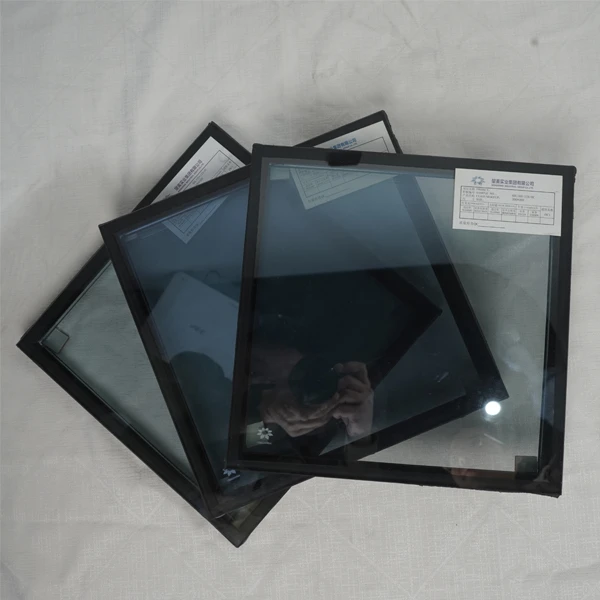
Dual Low-E glass employs two layers of microscopic metallic coatings that reflect heat back into the room during winter and block solar heat from entering during summer, drastically reducing energy consumption.

Is clear glass low iron suitable for outdoor use in high-UV regions?

Yes, but for high-UV regions like Florida or Arizona, we recommend pairing clear glass low iron with an ultraviolet-absorbing interlayer or a Low-E coating to prevent interior fading.

What are the benefits of using white coated glass for commercial buildings?

White coated glass provides high reflectivity and a clean, modern aesthetic while reducing the absorption of solar heat, which helps in mitigating the urban heat island effect in densely populated US cities.

Can float glass be tempered for safety compliance in US building codes?

Absolutely. Our float glass is designed to be compatible with all standard tempering and heat-strengthening processes to meet ANSI Z97.1 and CPSC 16 CFR 1201 safety standards.

How do I choose the right U-value for my glass in the United States?

The choice depends on your local climate zone. Northern states require lower U-values (better insulation), typically achieved with argon-filled dual low-E units, while Southern states focus more on the Solar Heat Gain Coefficient (SHGC).

Consult Our Glass Engineering Experts

Providing professional architectural glass guidance and customized supply chain solutions across the United States.

Contact Us Now

If you are interested in our products, you can choose to leave your information here, and we will be in touch with you shortly.