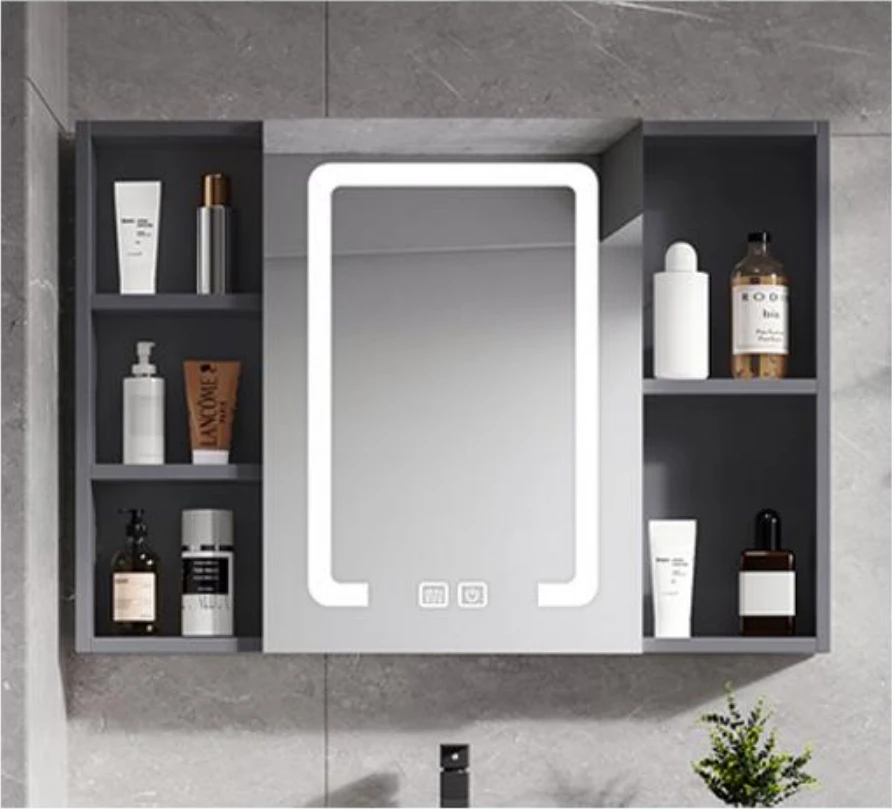
High-Performance low iron glass sheet Solutions for Pakistan

Elevating architectural transparency and energy efficiency across Pakistan's urban landscape with advanced float glass technologies.

High-Performance low iron glass sheet Solutions for Pakistan

Providing premium architectural glass engineered to withstand the intense UV radiation and thermal challenges of the Pakistani climate, ensuring maximum clarity and durability.

Glass Manufacturing Landscape in Pakistan

Analyzing the shift from standard glazing to high-efficiency architectural glass.

The glass industry in Pakistan is currently undergoing a transition. Traditionally dominated by standard float glass, the market is now seeing a surge in demand for specialized products due to the rapid urbanization in cities like Karachi, Lahore, and Islamabad.

Given the region's extreme temperature fluctuations and high solar gain, there is a critical need for dual low e glass to reduce cooling costs and improve the energy rating of commercial skyscrapers and luxury residential projects.

Furthermore, the aesthetic preference is shifting toward ultra-clear visuals. This has led to an increased adoption of clear glass low iron, which eliminates the green tint typical of standard glass, providing a more sophisticated look for modern retail storefronts.
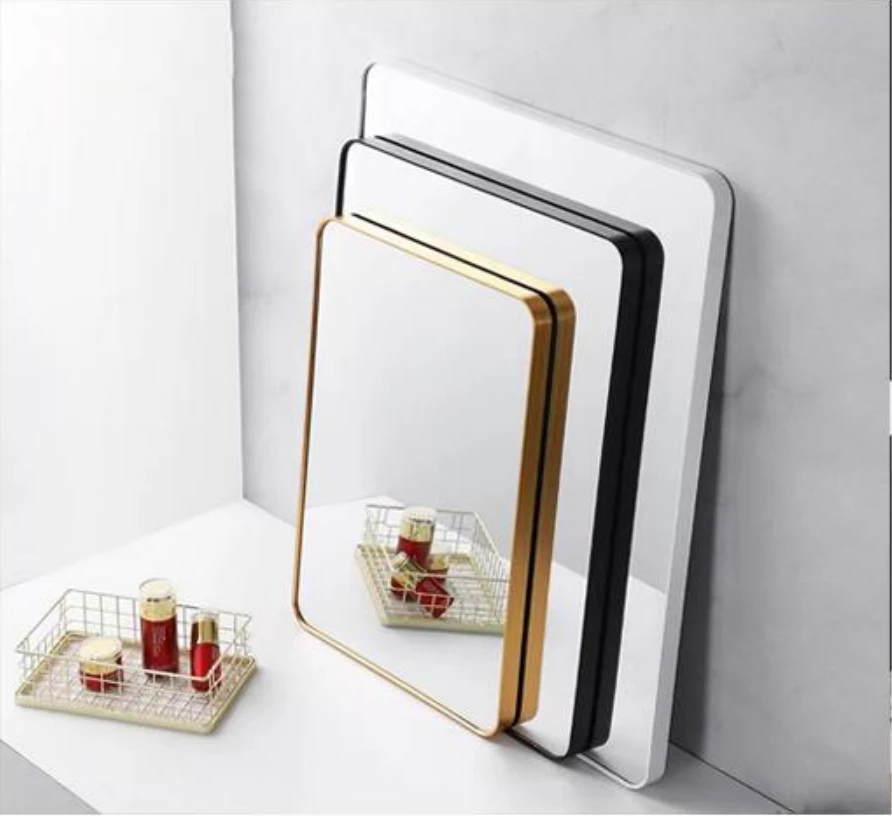
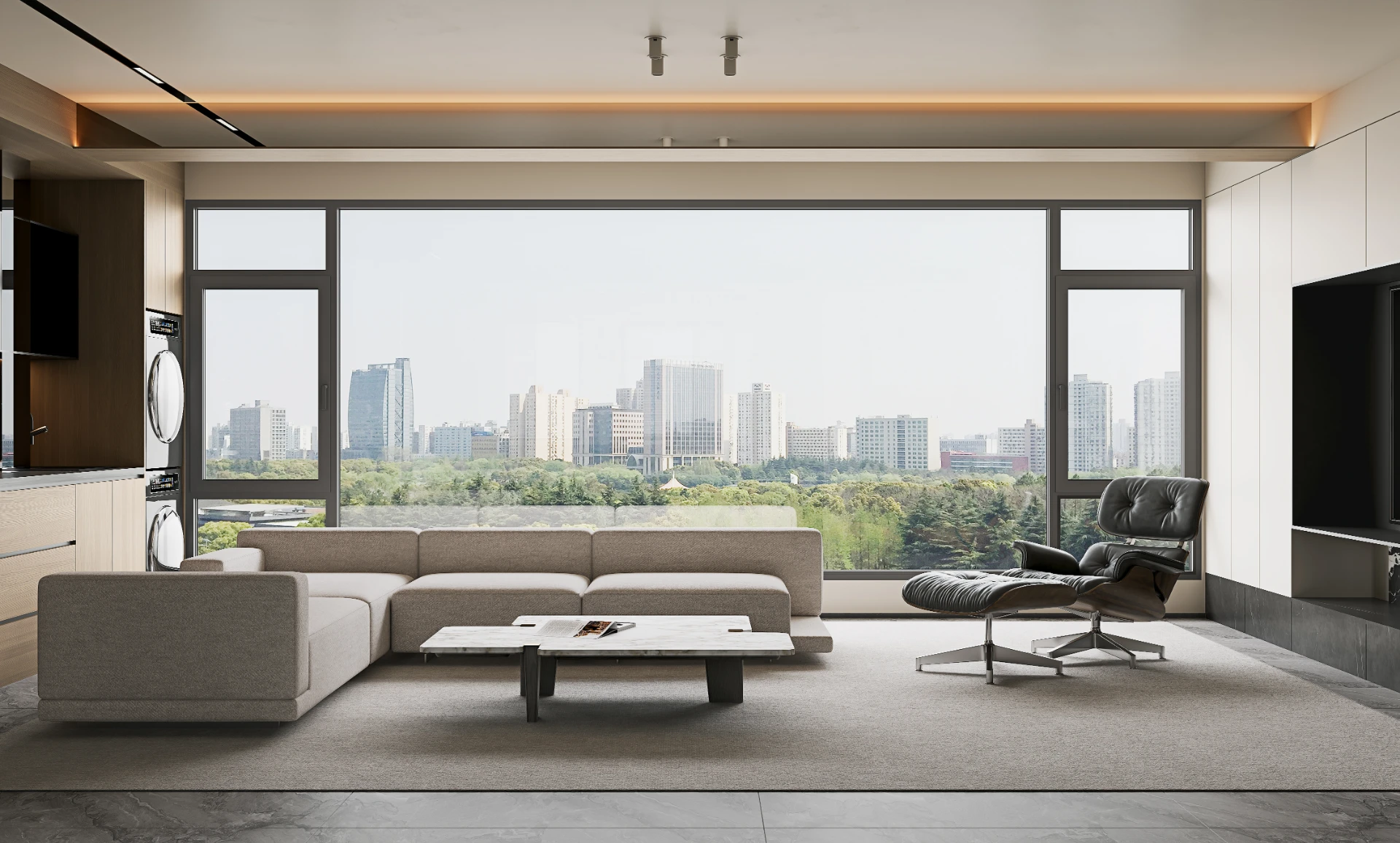
Evolution and Technical Trajectory of Flat Glass

From basic float processes to advanced spectral control coatings.

Market Development History

In the early 2000s, the Pakistani market relied almost exclusively on basic float glass for residential windows, focusing primarily on structural integrity rather than thermal performance.

By 2010-2015, the introduction of tempered and laminated glass became standard for safety. Simultaneously, a demand for high-end commercial facades led to the first significant imports of white coated glass to provide better privacy and solar reflection.

From 2018 to the present, the focus has shifted toward "Green Building" certifications. This era marks the transition to vacuum-insulated units and advanced coatings to combat the rising energy crisis and urban heat island effect.

Future Development Trends

Intelligent Thermal Insulation

The next 3-5 years will see a dominance of dynamic coatings that adjust transparency based on solar intensity, drastically reducing HVAC loads in southern Pakistan.

Ultra-Low Iron Standards

As luxury interiors evolve, the shift from standard clear to specialized low iron glass sheet will become the baseline for high-end residential projects.

Sustainability-Driven Manufacturing

Increased integration of recycled cullet and low-carbon melting processes to align with global ESG standards and reduce the industrial footprint.

Industry Outlook and Future Prospects

Predicting the next wave of glass technology integration in South Asia.

Energy-Efficient Glazing
Rapid adoption of Low-E coatings to mitigate the extreme Pakistani summers and lower electricity costs.
High-Clarity Aesthetics
Increasing demand for low-iron options in luxury retail and interior partitions to eliminate color distortion.
Smart Glass Integration
Integration of electrochromic glass in corporate hubs to automate solar control and privacy.
Urban Infrastructure Growth
Expansion of government-led infrastructure projects requiring standardized, high-strength architectural glass.

Industry Outlook

Google search trends indicate a growing interest in "energy-saving windows" and "modern glass facades" within Pakistan, signaling a shift towards sustainable architecture. The market is moving away from commodity-grade glass toward value-added technical solutions.

We anticipate that the synergy between local construction growth and global efficiency standards will make high-performance coatings the default requirement for all new commercial developments in the region.

Localized Application Scenarios in Pakistan

Tailored glass solutions for diverse regional requirements.

1. Commercial Skyscrapers in Karachi

Utilizing dual low e glass to minimize solar heat gain while maximizing natural light for corporate offices in the financial district.

2. Luxury Residential Villas in Lahore

Implementation of clear glass low iron for floor-to-ceiling windows to maintain true color rendering of interior luxury finishes.

3. High-End Retail Storefronts in Islamabad

Using ultra-clear low iron sheets for display windows to ensure products are viewed without the greenish tint of standard glass.

4. Privacy-Centric Office Partitions

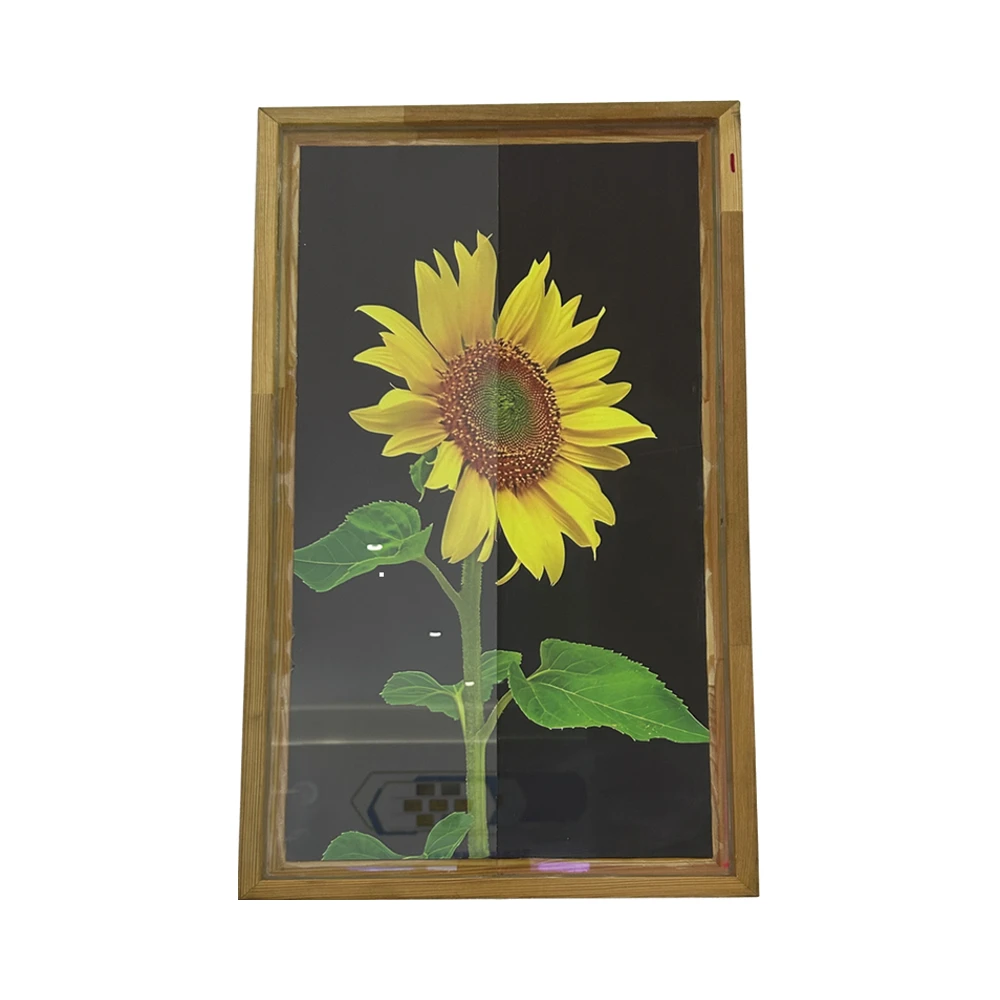
Applying white coated glass to provide a balance of diffused light and visual privacy in modern open-plan offices.

5. Industrial Greenhouse Projects

Using high-transmission float glass for agricultural ventures in Punjab to optimize sunlight for crop growth.

Brand Story

Global Development Process of Wangmei Industrial Group Co., Ltd.

Foundation and Vision

Established with a mission to solve the clarity and durability pain points in the flat glass industry, focusing on high-precision manufacturing.

Technical Innovation

Developed proprietary low-iron melting techniques to achieve industry-leading transparency and spectral purity.

Global Market Expansion

Expanded operations to South Asia and the Middle East, tailoring product specs to extreme climatic conditions.

Sustainability Milestone

Integrated energy-saving coatings and eco-friendly production lines to reduce the global carbon footprint of glass making.

Future Leadership

Continuing to drive the "Smart Glass" revolution, integrating IoT and energy management into architectural glazing.

Comprehensive Glass Portfolio for Pakistan

A complete range of high-performance flat glass solutions designed for the South Asian market.

Frequently Asked Questions in Pakistan

Expert answers to common technical queries regarding flat glass applications.

What are the benefits of dual low e glass in hot climates like Karachi?

Dual Low-E glass reflects a significant portion of infrared and ultraviolet light, preventing solar heat from entering the building, which drastically reduces air conditioning costs.

How does clear glass low iron differ from standard float glass?

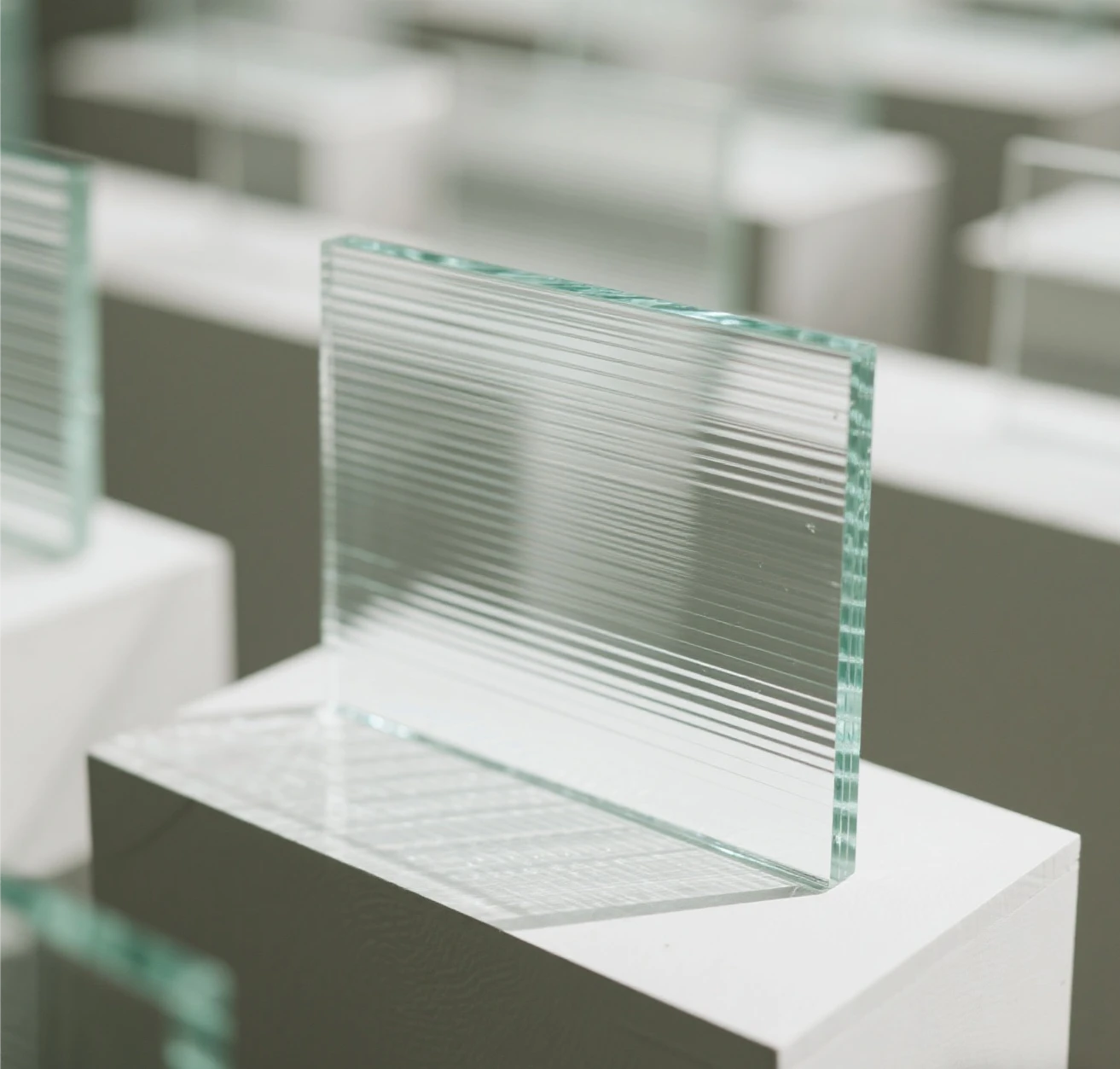
Unlike standard float glass, low-iron glass has a reduced iron content, eliminating the green tint on the edges and providing superior light transmission for crystal-clear views.

Is white coated glass suitable for office privacy partitions?

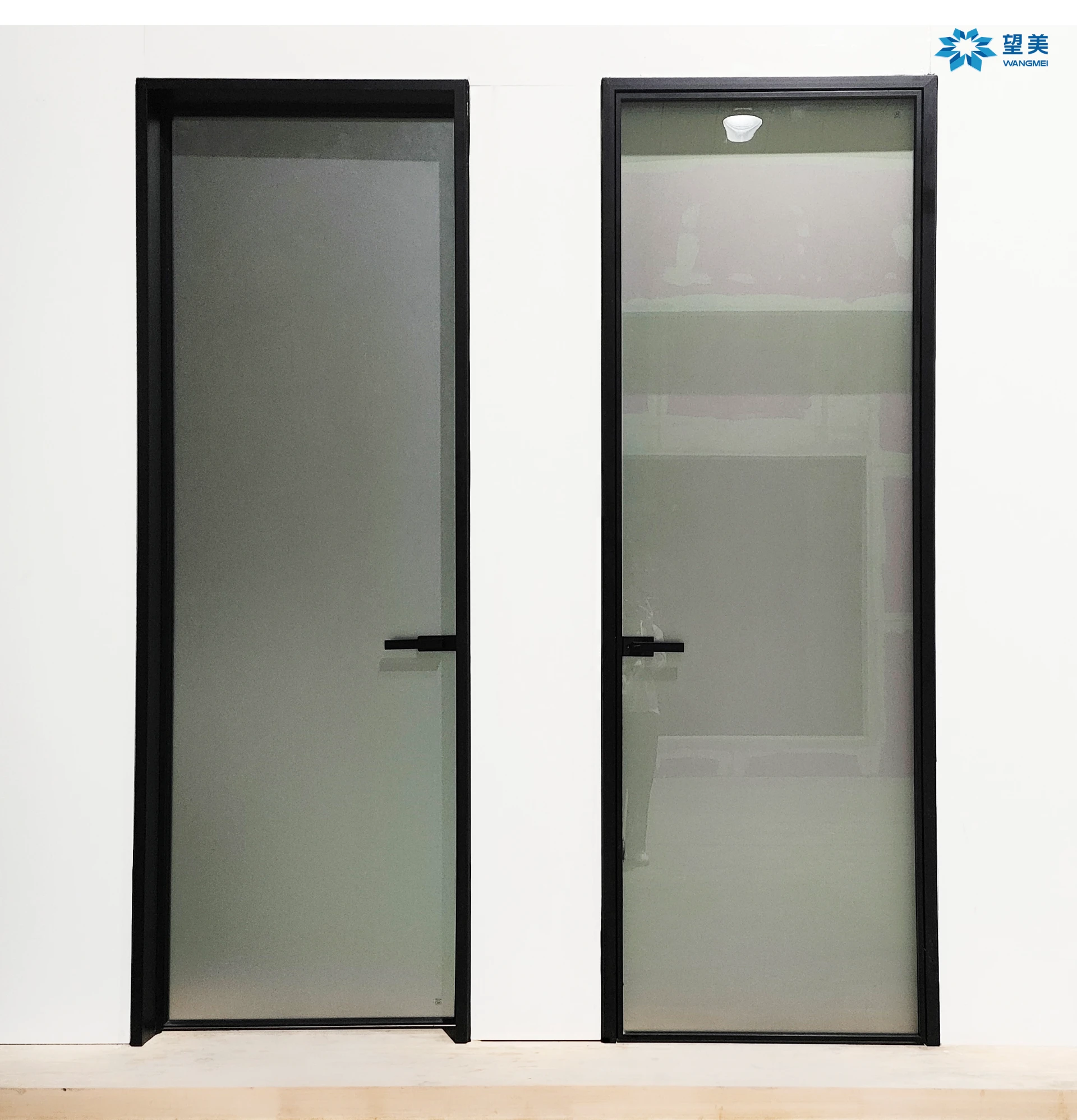
Yes, white coated glass provides excellent light diffusion, allowing natural light to permeate the space while obscuring direct visibility for enhanced professional privacy.

Which low iron glass sheet thickness is recommended for large commercial facades?

For large facades, we typically recommend thicknesses from 6mm to 12mm, usually processed as laminated or toughened safety glass for structural stability.

Can float glass be customized for specific solar control needs?

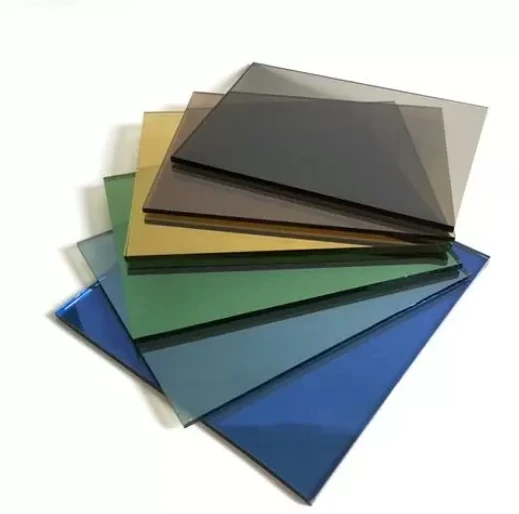
Absolutely. Standard float glass can be further processed with various coatings or tints to meet specific U-value and SHGC (Solar Heat Gain Coefficient) requirements.

How is the durability of architectural glass ensured against dust and pollution?

Our glass undergoes rigorous surface hardening and optional self-cleaning coatings to resist the abrasive nature of dust and urban pollutants common in Pakistani cities.

Ready to Upgrade Your Project?

Consult with our technical experts for the best glass solutions tailored to the unique environment of Pakistan.

Contact Us Now

If you are interested in our products, you can choose to leave your information here, and we will be in touch with you shortly.