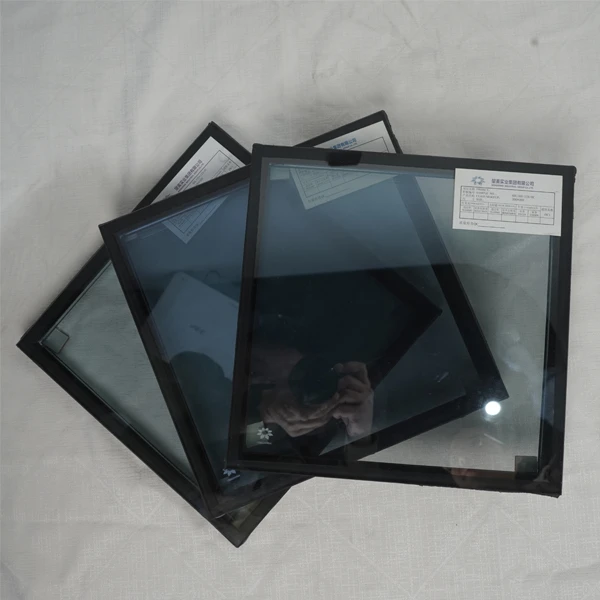
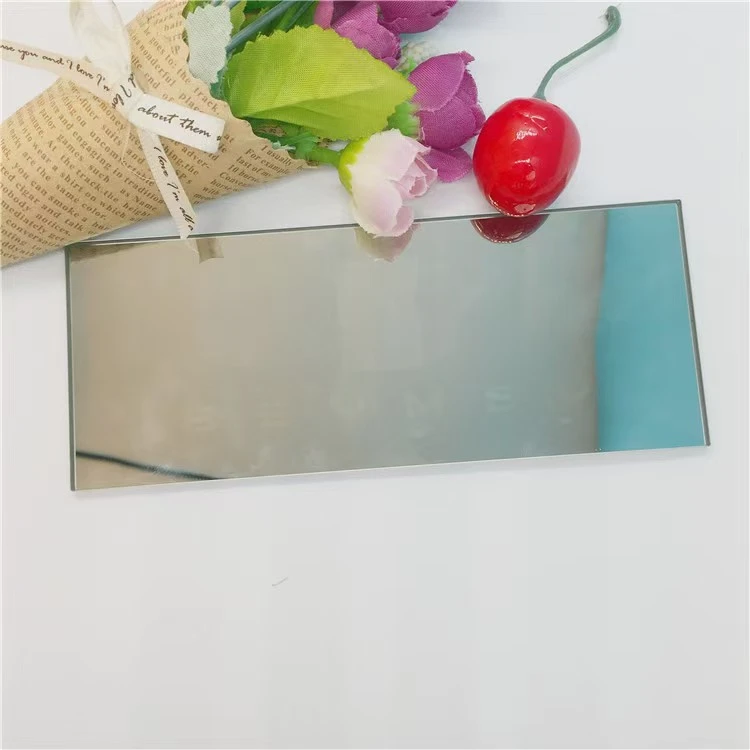
High-Performance low iron glass sheet Solutions for Tanzania

Advancing architectural clarity and thermal efficiency across Tanzania's rapidly growing urban landscapes with premium float glass technology.

High-Performance low iron glass sheet Solutions for Tanzania

Providing Tanzanian architects and developers with ultra-clear, energy-efficient glazing solutions designed to withstand tropical climates and enhance modern aesthetics.

Current State of Glazing Industry in Tanzania

Analyzing the shift from basic glazing to high-specification architectural glass.

Tanzania's construction sector is witnessing a surge in commercial developments in Dar es Salaam and Dodoma. Traditionally, the market relied heavily on standard float glass, but there is a growing demand for specialty glass that can handle high UV exposure and intense tropical heat.

The local market is currently transitioning toward sustainability. Developers are increasingly seeking dual low e glass to reduce the cooling loads of air conditioning systems, which is critical given the coastal humidity and high temperatures of the region.

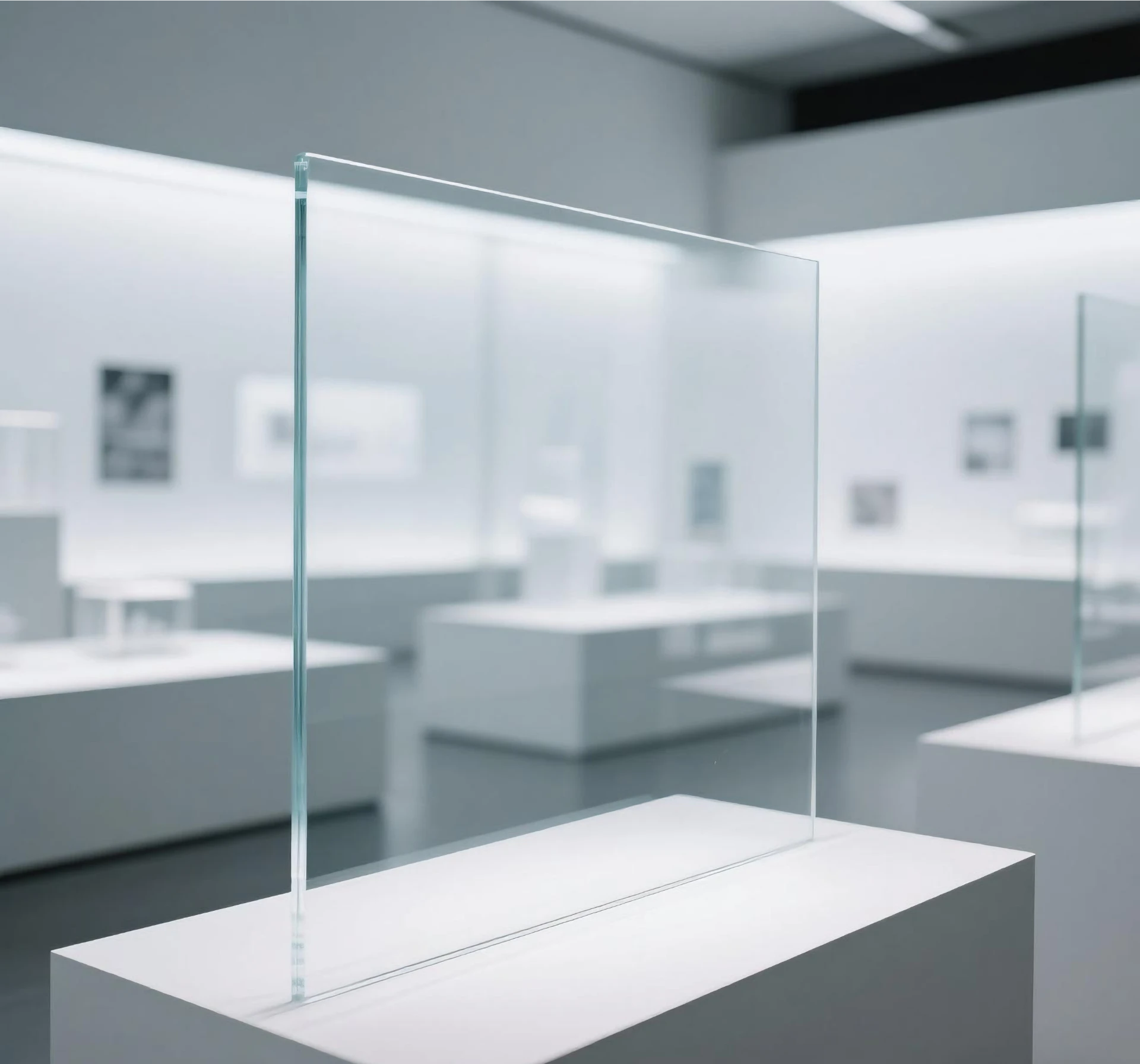
Moreover, the luxury hospitality sector along the Zanzibar coast is driving the adoption of clear glass low iron to ensure that breathtaking ocean views are not distorted by the greenish tint of standard soda-lime glass.
Evolution and Trajectory of Glass Technology

From basic transparency to intelligent thermal control.

Market Development History

In the early 2000s, the Tanzanian market was dominated by basic clear float glass, primarily used for residential windows and simple storefronts, with little emphasis on thermal performance.

Between 2010 and 2020, the introduction of tempered and laminated safety glass became the norm for commercial hubs, alongside the emergence of reflective coatings to combat solar gain.

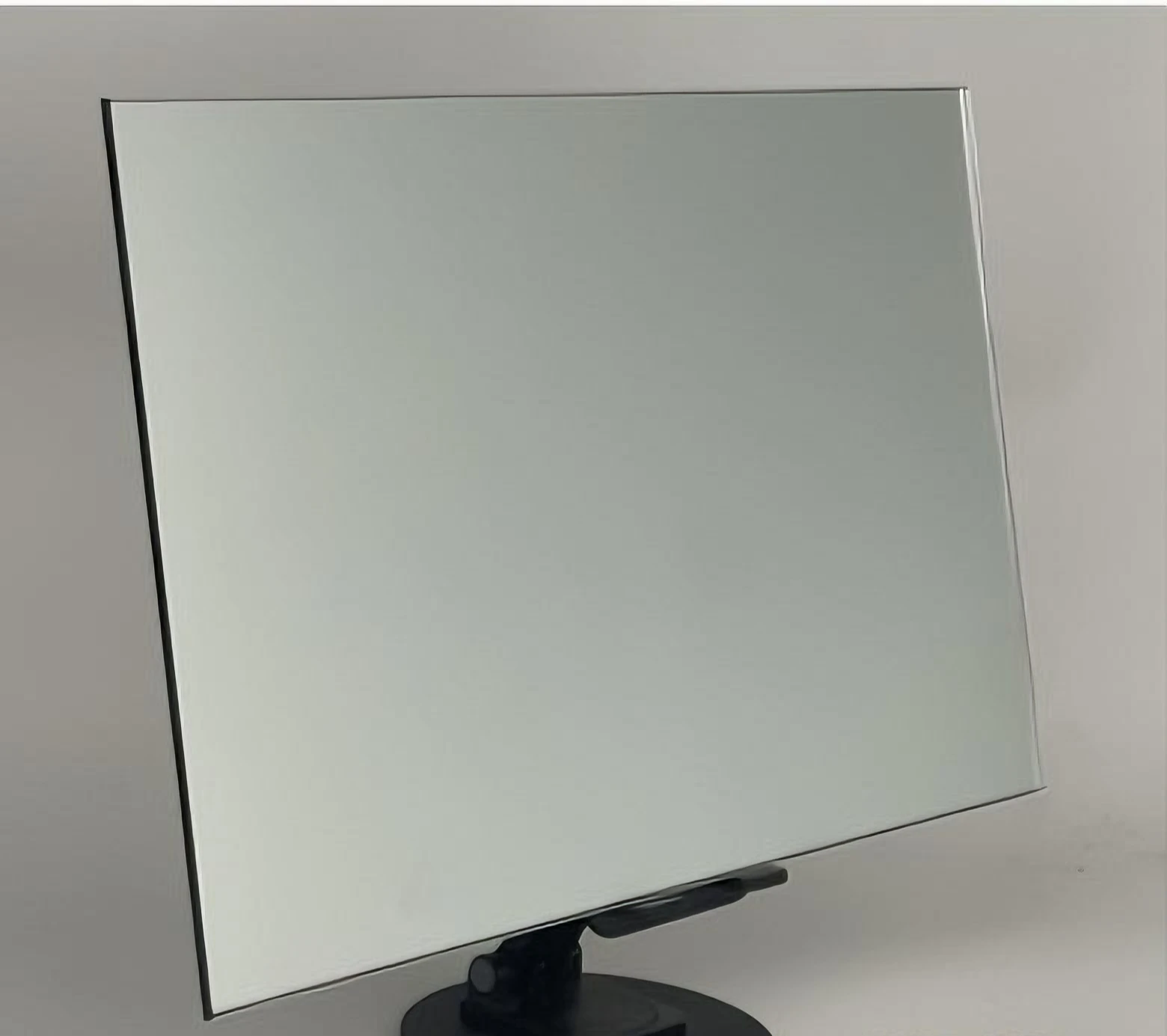
From 2021 onwards, the trend has shifted toward "Invisible Glass" and "Smart Energy" solutions, where white coated glass and advanced Low-E coatings are integrated into facade systems.

Future Development Trends

Integration of High-Transmittance Glass

Expect a surge in the use of low-iron variants to achieve maximum natural light penetration while maintaining structural integrity.

Dynamic Thermal Insulation

The adoption of double and triple glazing with silver-based coatings to meet international green building certifications in East Africa.

Sustainable Manufacturing Sourcing

A shift towards sourcing glass with lower carbon footprints and higher recyclability to align with global ESG standards.

Industry Trends and Future Outlook

Strategic forecasting for the non-metallic mineral products sector in Tanzania.

Energy-Efficient Facades
Rapid adoption of Low-E technologies to reduce urban heat islands in Dar es Salaam.
Ultra-Clear Aesthetics
Increasing demand for low-iron glass in luxury retail and high-end residential villas.
Sustainable Sourcing
Prioritizing manufacturers with certified low-carbon production methods.
Smart Glass Integration
Future shift towards electrochromic glass for adaptive light control.

Industry Outlook

Based on search trends for energy-efficient building materials in East Africa, we anticipate a 15% annual increase in the demand for high-performance coatings. The convergence of urbanization and environmental awareness is making high-spec glass a necessity rather than a luxury.

Tanzania is poised to become a regional hub for modern glazing distribution, provided that supply chains can consistently deliver the precision and quality required for white coated glass and dual-silver Low-E products.

Local Application Scenarios in Tanzania

Real-world deployments of advanced glass solutions across diverse Tanzanian environments.

1. Luxury Coastal Resorts in Zanzibar

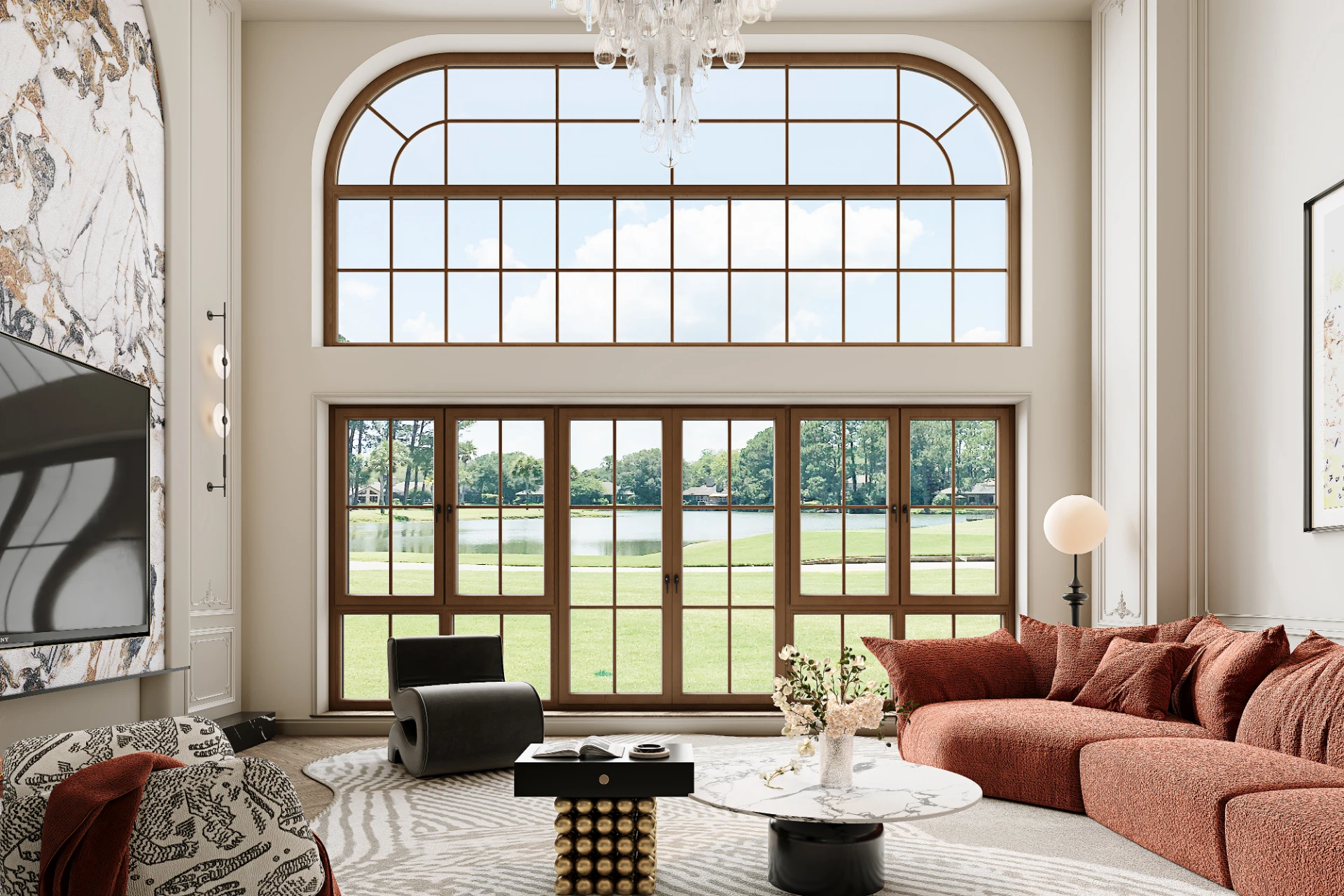
Implementation of clear glass low iron for panoramic floor-to-ceiling windows to eliminate the green tint and maximize the natural beauty of the Indian Ocean.

2. Commercial Skyscrapers in Dar es Salaam

Utilization of dual low e glass to minimize solar heat gain, significantly reducing electricity costs for massive HVAC systems in corporate towers.

3. Modern Government Buildings in Dodoma

Application of high-quality float glass combined with tempered safety processing for large-scale public facades that require both durability and prestige.

4. High-End Retail Showcases in Arusha

Deployment of low-iron sheets for jewelry and luxury goods displays, ensuring a true-to-life color representation of products under bright lighting.

5. Energy-Efficient Residential Villas

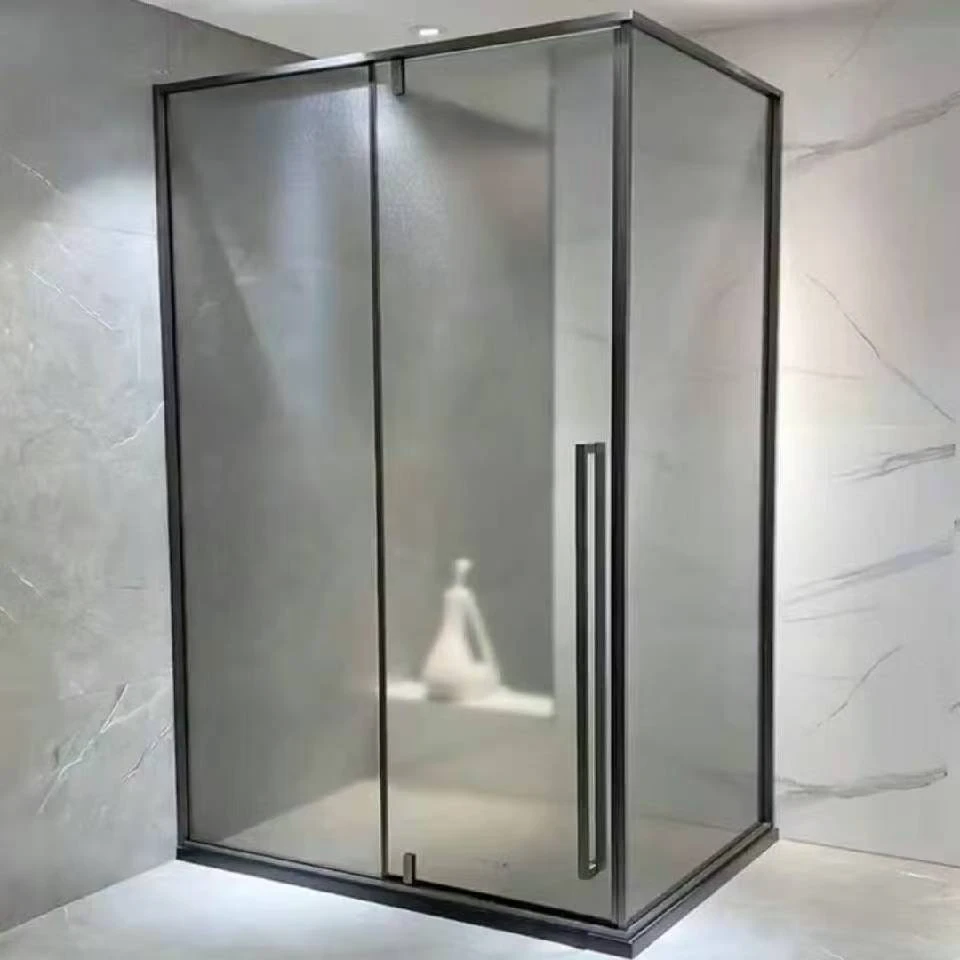
Installation of white coated glass for interior partitions and energy-saving windows to create a bright, airy, and thermally stable living environment.

Brand Story

Global Development Journey of Wangmei Industrial Group Co., Ltd.

Foundation and Vision

Established with a commitment to purity and precision, we began by solving the lack of high-transmittance glass in the industrial sector.

Technological Breakthroughs

We pioneered advanced coating techniques that allowed for the mass production of high-efficiency Low-E glass without compromising clarity.

Global Market Expansion

Expanding our footprint into Africa, we adapted our manufacturing to meet the rigorous demands of tropical climates and diverse architectural styles.

Sustainability Commitment

Implementing green manufacturing processes to ensure that every sheet of glass produced contributes to a more sustainable planet.

Industry Leadership

Today, we stand as a trusted partner for the world's most ambitious architectural projects, blending science with aesthetic perfection.

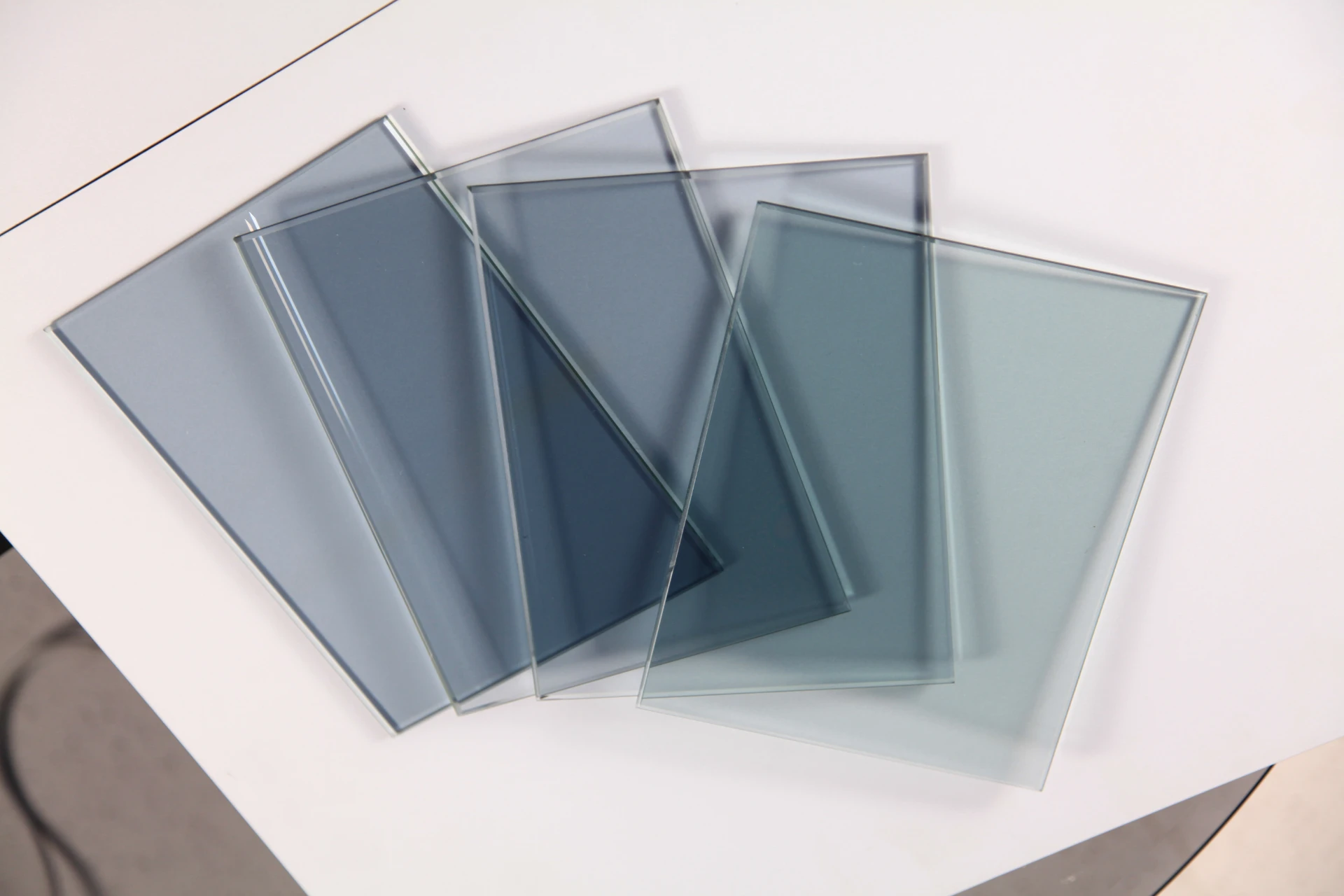
Complete Glass Portfolio for Tanzania

A comprehensive range of high-performance glass products tailored for the East African market.

Tanzania Glass Industry FAQ

Expert answers to the most common technical and logistical questions.

What is the main benefit of using low iron glass sheet in Tanzania's heat?

Low iron glass removes the greenish tint common in standard glass, providing superior light transmission and a cleaner aesthetic, which is ideal for high-end architectural projects in sunny regions.

How does dual low e glass reduce energy costs for commercial buildings?

Dual Low-E glass features two layers of metallic coatings that reflect infrared heat back to its source, keeping interiors cool in the summer and reducing air conditioning reliance.

Is white coated glass suitable for humid coastal environments like Dar es Salaam?

Yes, our white coated glass is engineered with high-durability surface treatments that resist corrosion and maintain their appearance even in high-humidity coastal air.

What is the difference between clear glass low iron and standard float glass?

Standard float glass has a natural green tint due to iron oxide; clear glass low iron minimizes these impurities to provide maximum transparency and color accuracy.

Can these high-performance glasses be tempered for safety in public spaces?

Absolutely. All our specialty glasses, including low-iron and Low-E variants, can be thermally tempered or heat-strengthened to meet safety standards for public use.

What are the shipping and handling considerations for float glass to Tanzania?

We utilize reinforced sea-worthy wooden crates and specialized A-frame packing to ensure that all glass sheets arrive at Tanzanian ports without breakage.

Get Expert Glazing Consultation

Contact us today to source the highest quality architectural glass for your next project in Tanzania.

Contact Us Now

If you are interested in our products, you can choose to leave your information here, and we will be in touch with you shortly.