
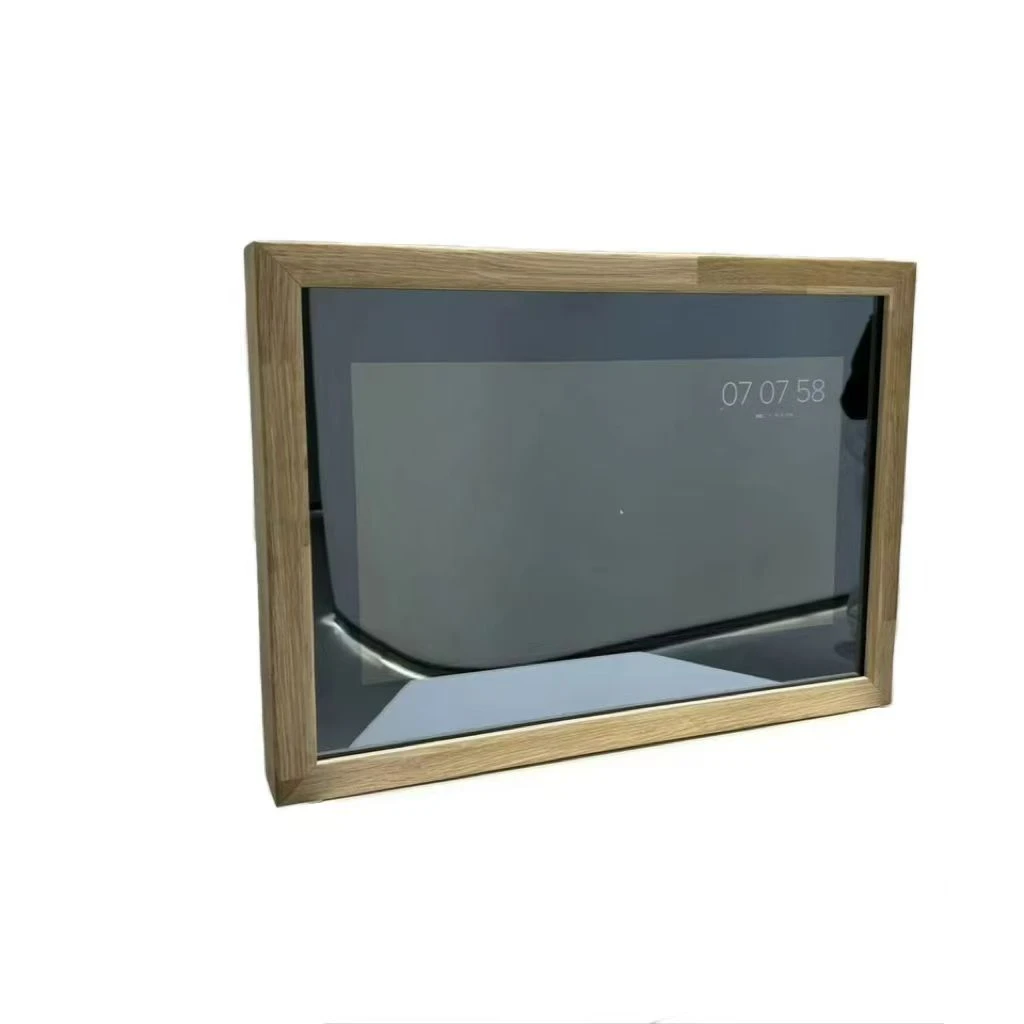
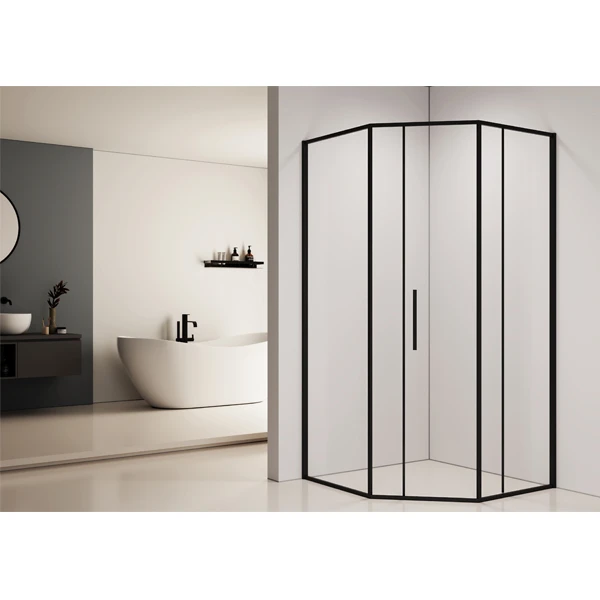
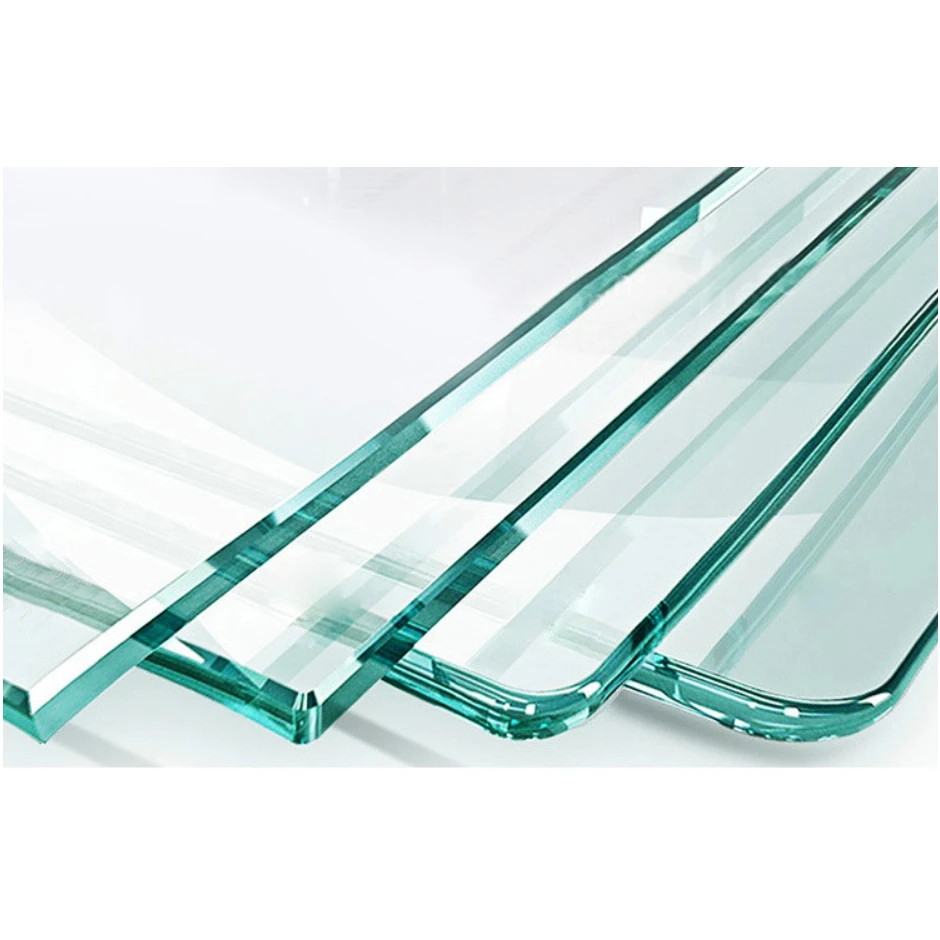

Premium Architectural Solutions with dual low e glass for Russia

High-performance glazing systems engineered to withstand extreme Russian climates while maximizing thermal efficiency and light transmission.

Premium Architectural Solutions with dual low e glass for Russia

Providing the Russian construction market with advanced flat glass technologies, from ultra-clear low iron glass sheet to energy-saving coatings tailored for Northern latitudes.

The State of Flat Glass Manufacturing in Russia

Adapting Industrial Glass Standards to Extreme Temperature Fluctuations

Russia's glass industry operates under some of the most challenging climatic conditions globally. The demand for float glass is heavily influenced by the need for structural integrity against severe freeze-thaw cycles, requiring high-grade raw materials that prevent stress fractures during winter.

In urban centers like Moscow and Saint Petersburg, there is a surging preference for clear glass low iron to maximize limited natural sunlight during the dark winter months. This shift is driven by a transition toward "Light-Filled" architectural design, moving away from traditional heavy frames.

Furthermore, the energy crisis and sustainability mandates in Europe and Russia have pushed the market toward white coated glass and thermal-insulating options, reducing the dependency on central heating and lowering the carbon footprint of massive commercial complexes.
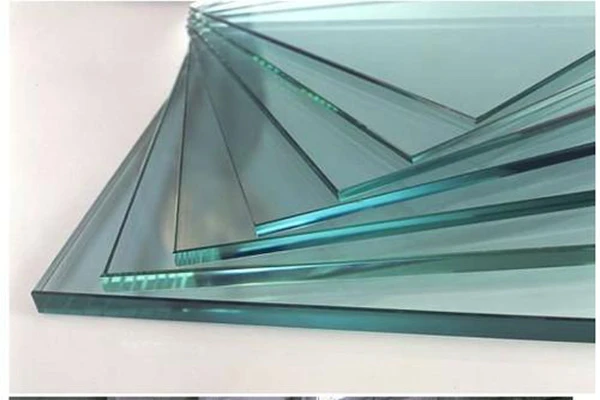
Technical Evolution of Glazing in Russia

From Standard Float Processing to Intelligent Thermal Control

Market Development History

During the late 20th century, the Russian market relied predominantly on standard single-pane float glass, which offered minimal thermal resistance, leading to significant heat loss in residential and industrial buildings.

By the 2010s, the industry shifted toward double-glazing and the introduction of early Low-E coatings. This era marked the rise of low iron glass sheet for high-end retail and luxury developments, prioritizing aesthetics and clarity.

Since 2020, the focus has evolved into "Smart Glazing." The integration of dual-layer coatings has become the gold standard, ensuring that interior warmth is retained while exterior cold is blocked, optimizing the energy efficiency of the building envelope.

Future Development Trends

Vacuum-Insulated Glazing (VIG)

The next 3-5 years will see a move toward VIG technology to replace traditional IGU, providing superior U-values essential for Arctic-region construction.

Dynamic Solar Control

Driven by Google search trends for "Energy Efficient Windows Russia," we anticipate a rise in electrochromic glass that adjusts transparency based on sunlight intensity.

Circular Economy & Recycled Cullet

Increasing regulatory pressure on non-metallic mineral products will lead to a higher percentage of recycled glass content in the production of architectural sheets.

Industry Outlook & Technological Forecasting

Predicting the Shift Toward Ultra-High Efficiency Glazing

Thermal Optimization
Implementation of multi-layer Low-E coatings to combat Siberian winters and reduce HVAC costs.
Ultra-Clear Aesthetics
Rising demand for low-iron substrates in luxury interiors to ensure true color rendering.
Coating Durability
Development of scratch-resistant white coatings for industrial partitions and furniture.
Digital Integration
IoT-enabled glass surfaces for smart city infrastructure in major Russian hubs.

Industry Outlook

The convergence of energy efficiency laws and architectural innovation is driving the Russian market toward a hybrid model. We expect a significant increase in the adoption of high-performance double and triple glazing that incorporates specialized coatings.

Ultimately, the industry will move away from commoditized glass toward value-added functional materials that solve specific regional pain points like condensation and thermal bridging in extreme cold.

Localized Applications in Russia

Tailored Glass Solutions for Regional Infrastructure

01. High-Rise Residential Towers in Moscow

Utilization of dual low e glass to maintain stable indoor temperatures during -20°C winters while reducing energy overhead.

02. Luxury Retail Showcases in Saint Petersburg

Application of clear glass low iron to ensure that high-end merchandise is displayed without the greenish tint typical of standard glass.

03. Modern Industrial Offices in Novosibirsk

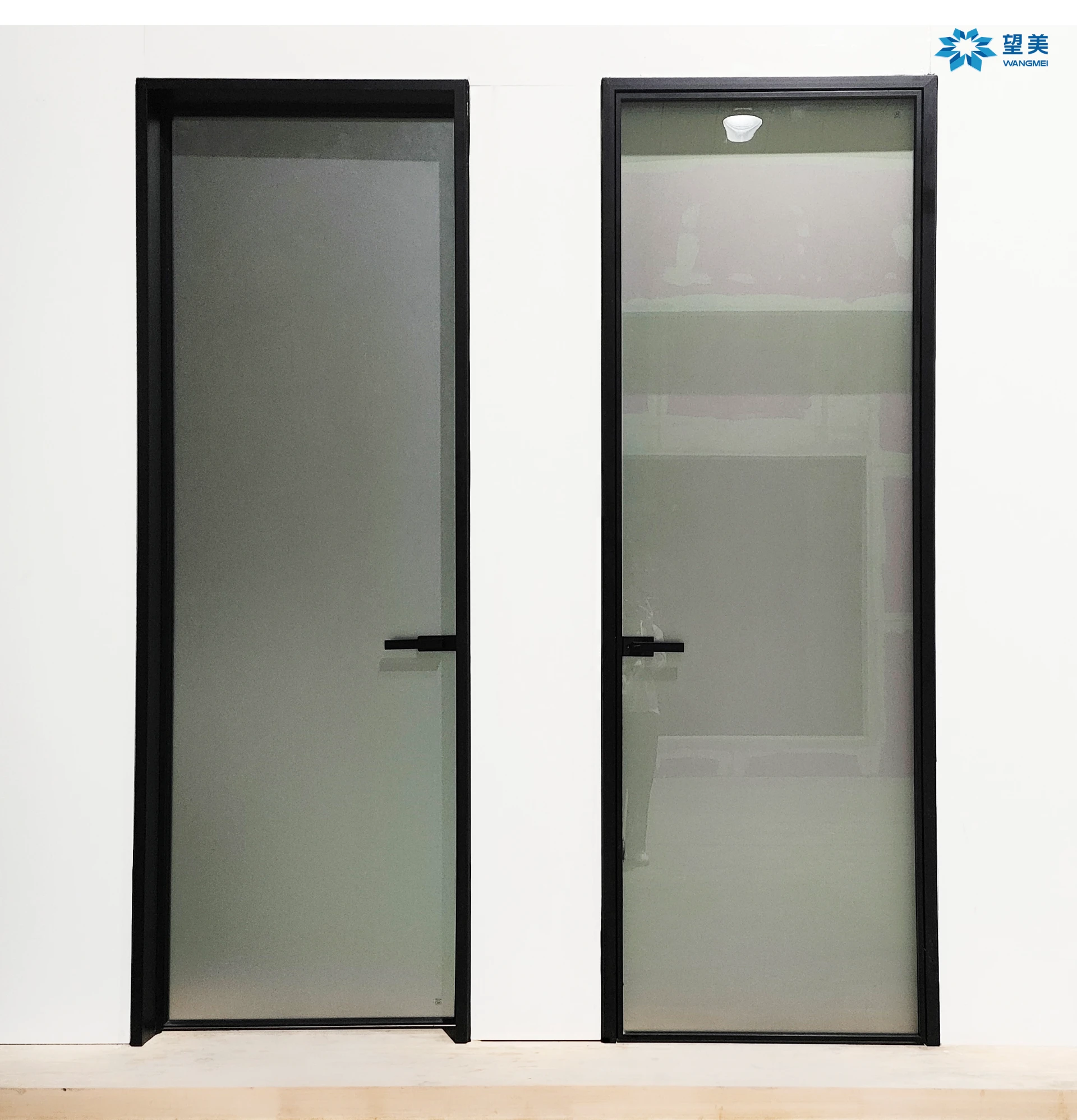
Installation of white coated glass for internal partitioning to provide privacy and a clean, professional aesthetic.

04. Energy-Efficient Greenhouse Complexes

Large-scale use of high-transmission float glass optimized for maximum PAR (Photosynthetically Active Radiation) in cold regions.

05. Public Infrastructure Transit Hubs

Deployment of tempered low-iron sheets for safety and durability in high-traffic areas, ensuring structural longevity and aesthetic brilliance.

Brand Story

Global Development Journey of Wangmei Industrial Group Co., Ltd.

Foundation & Vision

Established with a commitment to precision, Wangmei began by solving the inconsistency of flat glass quality in industrial manufacturing.

Technological Breakthrough

We pioneered advanced coating techniques that bridged the gap between aesthetic clarity and thermal insulation.

Market Expansion

Expanding into the Europe and Russia markets, we adapted our product lines to meet rigorous international cold-climate standards.

Sustainability Milestone

Integrated eco-friendly production cycles to reduce carbon emissions, aligning with global Green Building certifications.

Future Leadership

Today, we stand as a global leader, providing specialized glass solutions that solve the most complex architectural challenges.

Complete Glazing Portfolio for the Russian Market

From Raw Float Glass to High-Performance Coated Solutions

Common Questions in the Russian Glass Industry

Expert Answers to Technical Glazing Queries

How does dual low e glass perform in extreme Siberian cold?

Dual low-e glass utilizes two layers of silver-based coatings to reflect heat back into the room, significantly reducing U-values and preventing condensation in extreme temperatures.

What is the main advantage of clear glass low iron over standard float glass?

Low iron glass removes the iron oxide impurities, eliminating the green tint and providing 91% light transmission, which is critical for Russia's low-light winters.

Can low iron glass sheet be tempered for structural safety?

Yes, it can be fully tempered or heat-strengthened without losing its clarity, making it ideal for safety-critical architectural applications.

Is white coated glass suitable for humid internal environments?

Our white coated glass features a high-adhesion backing that is resistant to moisture and peeling, making it suitable for office partitions and interior decor.

What thickness is recommended for float glass in commercial facades in Russia?

Depending on wind loads and building height, we typically recommend 6mm to 12mm tempered glass, often integrated into an IGU (Insulated Glass Unit) for thermal efficiency.

How do I maintain the coatings on high-performance glass?

We recommend using non-abrasive cleaners and soft cloths to avoid scratching the surface, ensuring the Low-E and white coatings remain intact for decades.

Request a Technical Consultation

Our engineers are ready to provide customized glazing specifications for your projects in Russia.

Contact Us Now

If you are interested in our products, you can choose to leave your information here, and we will be in touch with you shortly.