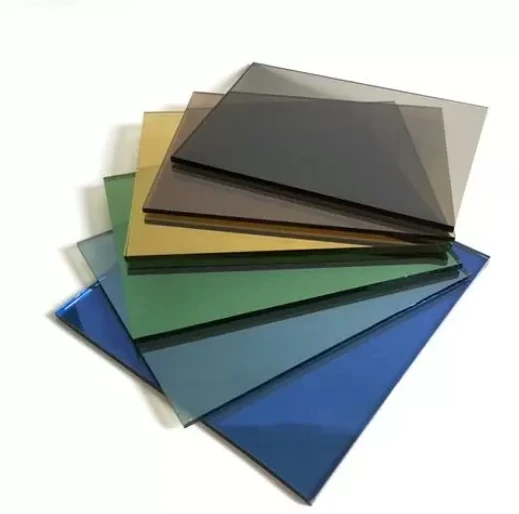
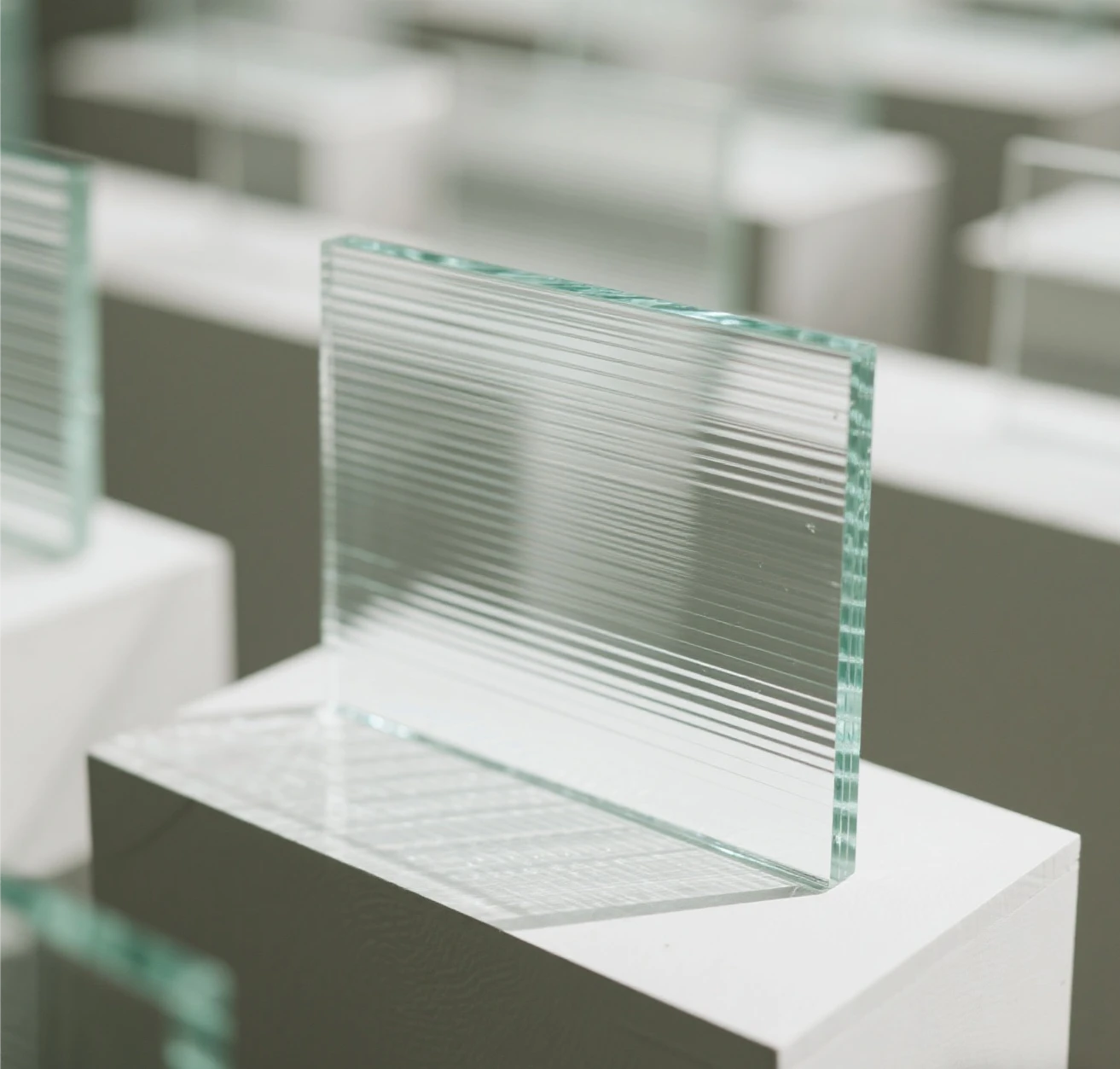
Premium dual low e glass Solutions for Ghana's Modern Architecture

Integrating advanced thermal insulation and high-clarity glass technology to combat Ghana's tropical heat and enhance energy efficiency.

Premium dual low e glass Solutions for Ghana's Modern Architecture

Offering a comprehensive range of high-performance architectural glass, from standard float to advanced energy-saving coatings, specifically engineered for the Ghanaian climate.

The Glass Market Landscape in Ghana

Analyzing the intersection of rapid urbanization and tropical climatic demands.

Ghana's construction sector is experiencing a surge in high-rise developments in Accra and Kumasi. However, the intense equatorial sun creates a heavy reliance on HVAC systems. The market is transitioning from basic float glass to more sophisticated options that can reduce solar heat gain without sacrificing natural light.

Current challenges include the high cost of imported specialized glass and a lack of local processing for ultra-clear options. There is a growing demand for low iron glass sheet to replace traditional green-tinted glass in luxury showrooms and high-end residential projects across the Greater Accra Region.

Economic growth and the rise of "Green Building" certifications in West Africa are pushing developers toward white coated glass and thermal-efficient solutions to lower operational costs and improve the indoor environmental quality of commercial hubs.
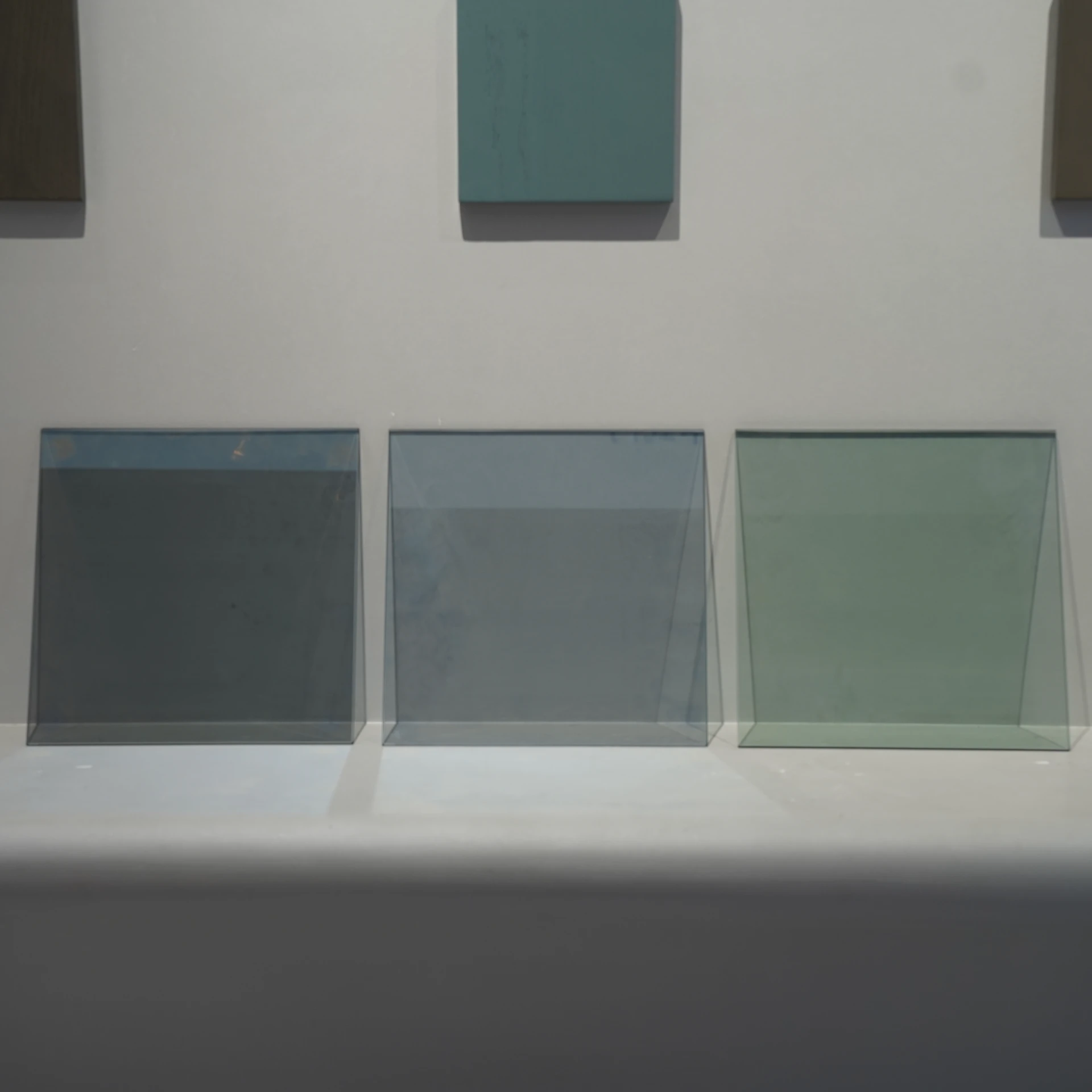
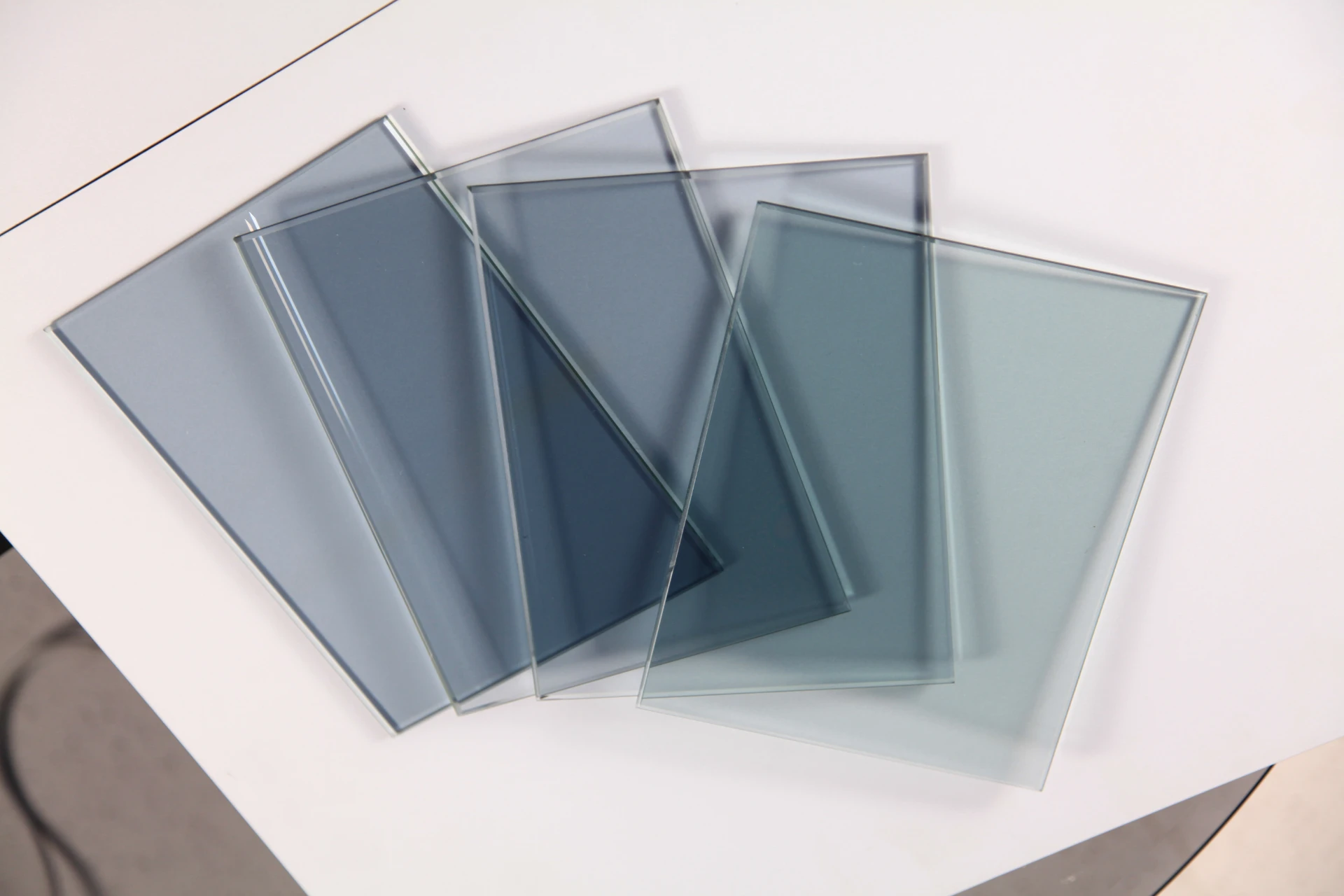
Evolution of Glass Technology in Ghana

From basic structural transparency to intelligent thermal management.

Market Development History

In the early 2000s, the Ghanaian market was dominated by standard clear float glass, primarily used for basic windowing. The focus was on cost and availability rather than thermal performance or optical purity.

Between 2010 and 2020, a shift occurred as luxury real estate emerged. This period saw the introduction of clear glass low iron, providing the neutrality and transparency required for modern aesthetic standards and high-end retail displays.

From 2021 to the present, the trajectory has shifted toward sustainability. The adoption of double-silver and triple-silver coatings has become a priority to meet the energy efficiency standards required for modern corporate headquarters.

Future Development Trends

Smart Solar Control

Expect a surge in dynamic glazing that adjusts to Ghana's varying light intensity throughout the day to minimize glare.

Sustainable Manufacturing

Increased demand for recycled glass content and low-carbon production methods to align with global ESG goals.

Integration of BIPV

Building-Integrated Photovoltaics will likely merge with high-performance glass to turn facades into energy-generating assets.

Industry Trends & Future Outlook

Predicting the next wave of architectural glass innovation in West Africa.

Thermal Optimization
Focusing on reducing the U-value to decrease air conditioning energy consumption in Accra's humid climate.
High-Transparency Demand
Increased usage of ultra-clear glass for luxury retail and museum-grade displays to ensure color accuracy.
Coastal Corrosion Resistance
Developing specialized coatings to withstand the salty air of Ghana's extensive coastline.
Eco-Certified Glass
Transitioning towards LEED-compatible glass solutions to attract international corporate tenants.

Industry Outlook

Based on search trend data, there is a significant uptick in queries related to "energy-saving windows" and "thermal glass" within the West African region. This indicates a market pivot where developers are now prioritizing long-term energy savings over initial material costs.

The next 3-5 years will likely see the dominance of high-performance coatings that can block infrared radiation while allowing maximum visible light, reducing the "greenhouse effect" inside Ghana's glass-walled office buildings.

Localized Glass Applications in Ghana

Practical implementation of advanced glass technology in Ghana's unique environment.

01. Luxury Retail Showcases in Accra

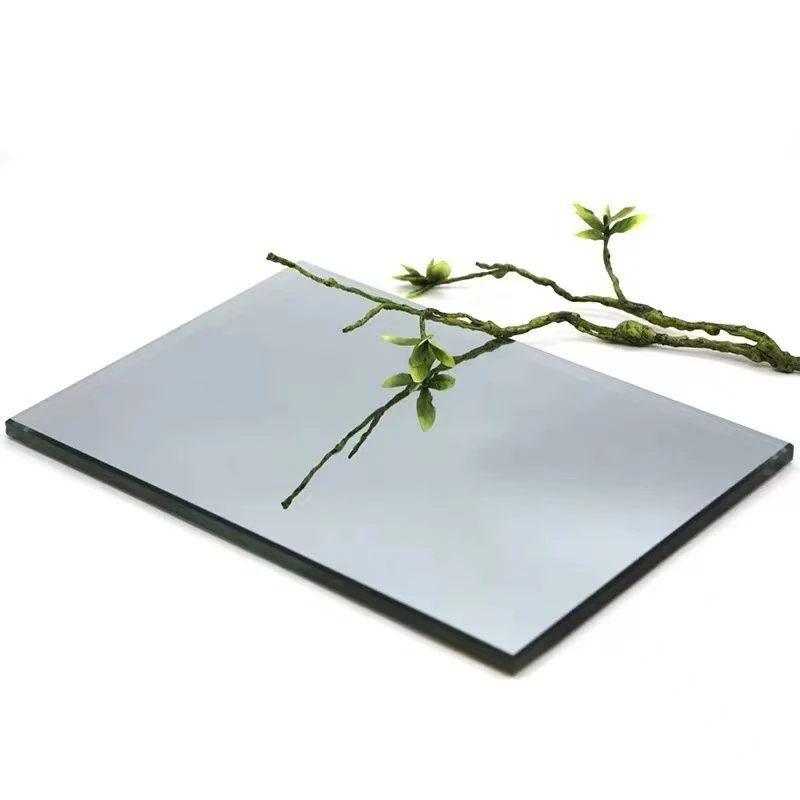
Using low iron glass sheet to eliminate the iron-oxide green tint, ensuring that luxury jewelry and fashion items are displayed in their true colors.

02. High-Rise Corporate Offices

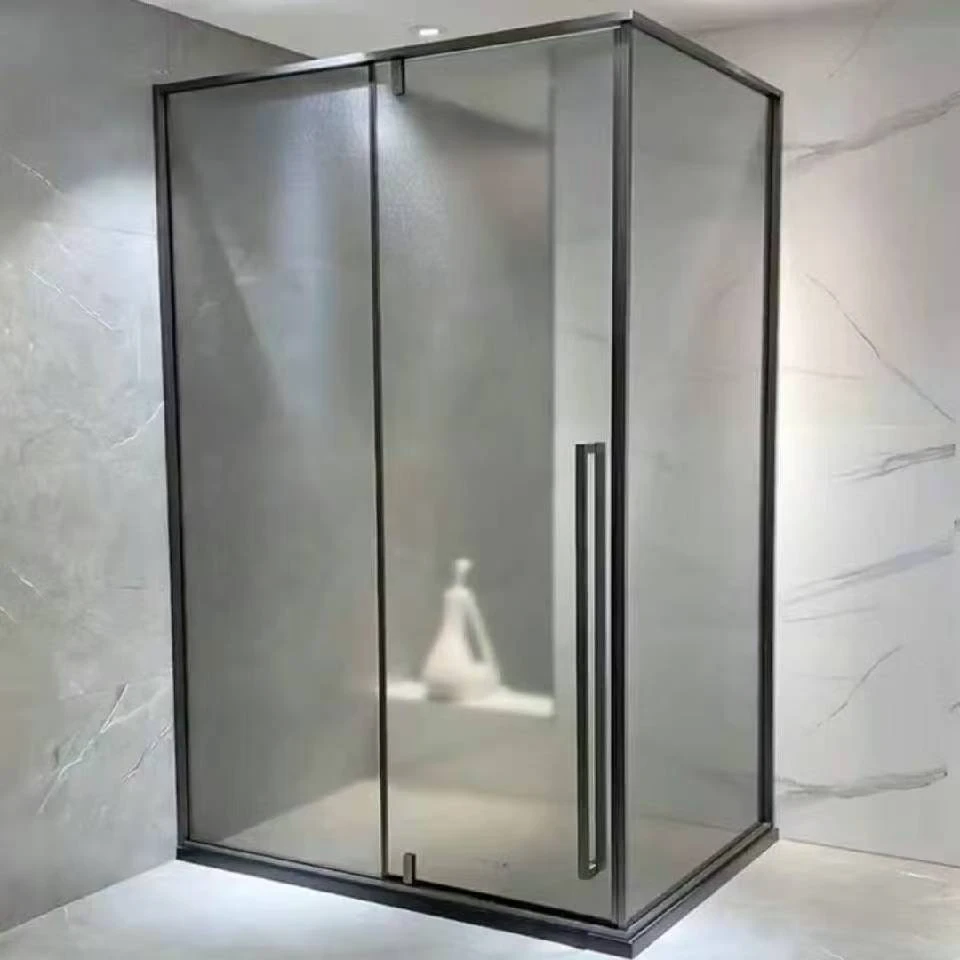
Implementing dual low e glass for curtain walls to drastically reduce heat gain from the tropical sun, lowering the AC load for large corporate buildings.

03. Modern Residential Villas

Integrating clear glass low iron for expansive floor-to-ceiling windows, providing an unobstructed view of the landscape with superior clarity.

04. Commercial Interior Partitions

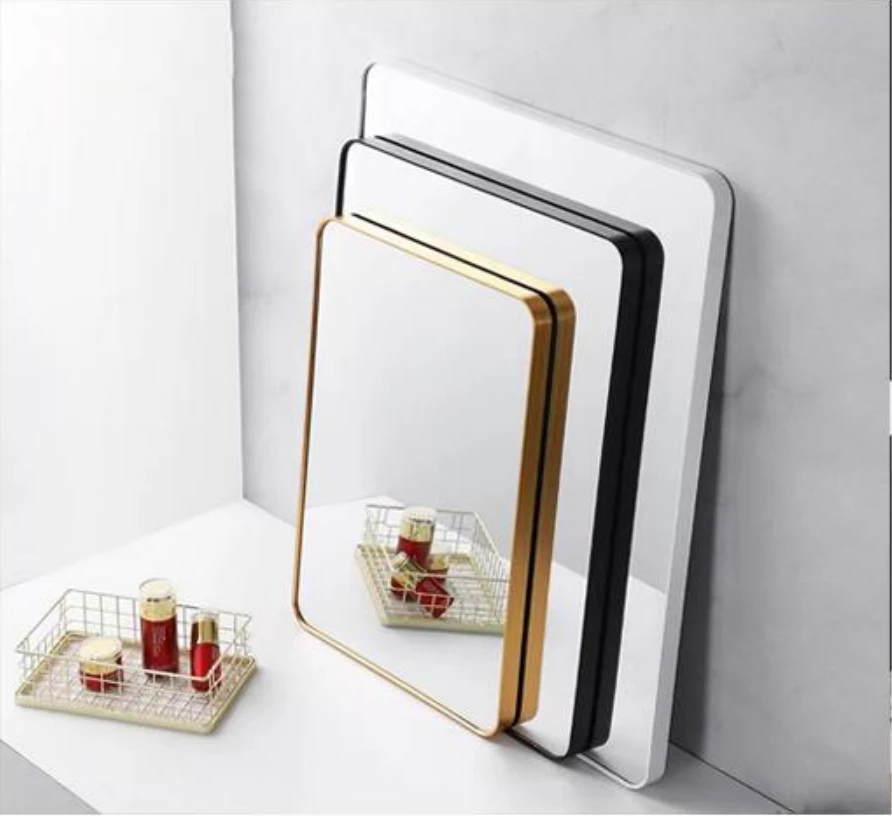
Applying white coated glass for sleek, minimalist interior walls and furniture, offering a clean, professional aesthetic in modern Ghanaian offices.

05. Urban Infrastructure & Transit Hubs

Utilizing high-strength float glass for canopy structures and bus terminals, balancing durability with a contemporary architectural look.

Brand Story

Global Development History of Wangmei Industrial Group Co., Ltd.

Industrial Foundation

Established with a vision to redefine architectural transparency, focusing on the precision manufacturing of high-quality float glass.

Technological Breakthrough

Mastered the low-iron production process, enabling the creation of ultra-clear glass that meets global luxury standards.

Energy-Saving Innovation

Developed advanced Low-E coating technologies to solve the conflict between natural lighting and thermal insulation.

Global Expansion

Extended logistics and service networks to Africa, providing Ghanaian developers with direct access to world-class glass materials.

Commitment to Sustainability

Now leading the shift toward carbon-neutral glass production to support the green building movement worldwide.

Complete Glass Portfolio for the Ghanaian Market

From foundational structural glass to high-end thermal solutions tailored for West Africa.

Common Glass Inquiries in Ghana

Expert answers to technical questions regarding glass selection and performance.

What is the difference between float glass and low iron glass sheet for commercial use?

Float glass has a slight green tint due to iron oxide. Low iron glass sheet removes this tint, providing maximum transparency and color neutrality, which is ideal for high-end retail and luxury architectural projects in Accra.

How does dual low e glass help reduce electricity costs in Ghana?

Dual low e glass uses two layers of silver coatings to reflect infrared heat while letting visible light through. This significantly reduces the solar heat gain inside buildings, lowering the energy required for air conditioning.

Is clear glass low iron suitable for outdoor installations in tropical climates?

Yes, it is highly suitable. However, for outdoor use in Ghana's intense sun, we recommend pairing clear glass low iron with tempering and solar-control coatings to ensure both safety and thermal efficiency.

What are the primary benefits of using white coated glass for interiors?

White coated glass provides a seamless, reflective surface that enhances brightness in interior spaces. It is easy to clean, durable, and offers a modern minimalist aesthetic for walls and furniture.

Which glass is best for coastal buildings in the Greater Accra Region?

For coastal areas, we recommend high-performance Low-E glass with specialized protective coatings to resist salt-spray corrosion and high UV exposure, ensuring long-term clarity and structural integrity.

How do I choose the right thickness for float glass in commercial facades?

Thickness depends on wind load and safety requirements. For commercial facades in Ghana, we typically recommend tempered float glass in thicknesses of 6mm to 12mm, or laminated options for enhanced security.

Request a Technical Consultation

Get expert guidance on the best glass solutions for your project in Ghana. Our engineers are ready to help you optimize for energy and aesthetics.

Contact Us Now

If you are interested in our products, you can choose to leave your information here, and we will be in touch with you shortly.