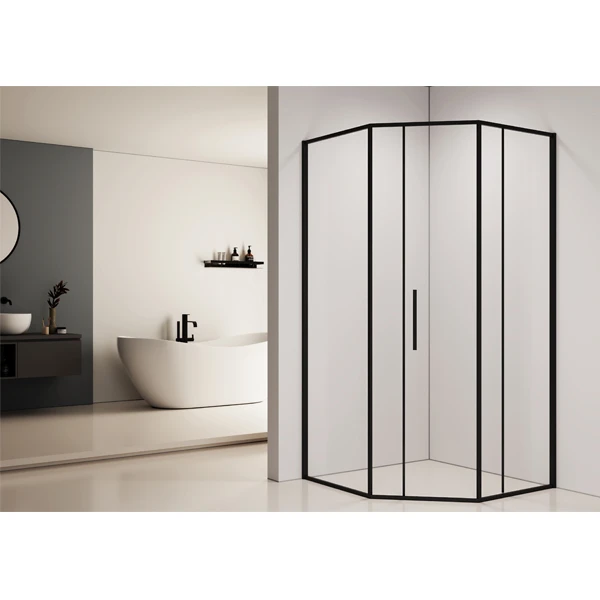
Premium dual low e glass Solutions for Turkmenistan's Architecture

High-performance architectural glass engineering designed to withstand the extreme continental climate of Turkmenistan, enhancing energy efficiency and aesthetic clarity.

Premium dual low e glass Solutions for Turkmenistan's Architecture

Providing cutting-edge flat glass technologies tailored for the unique environmental demands of Ashgabat and beyond, ensuring thermal insulation and superior light transmission.

The Glass Industry Landscape in Turkmenistan

Analyzing the intersection of rapid urban development and harsh desert climates.

Turkmenistan's construction sector is characterized by grand architectural projects in Ashgabat, which demand high-specification float glass to maintain structural integrity and visual prestige. The region's extreme temperature fluctuations between summer and winter create a high demand for glass with superior thermal properties.

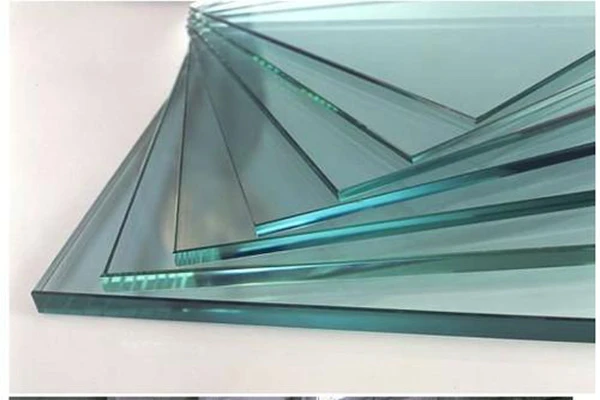
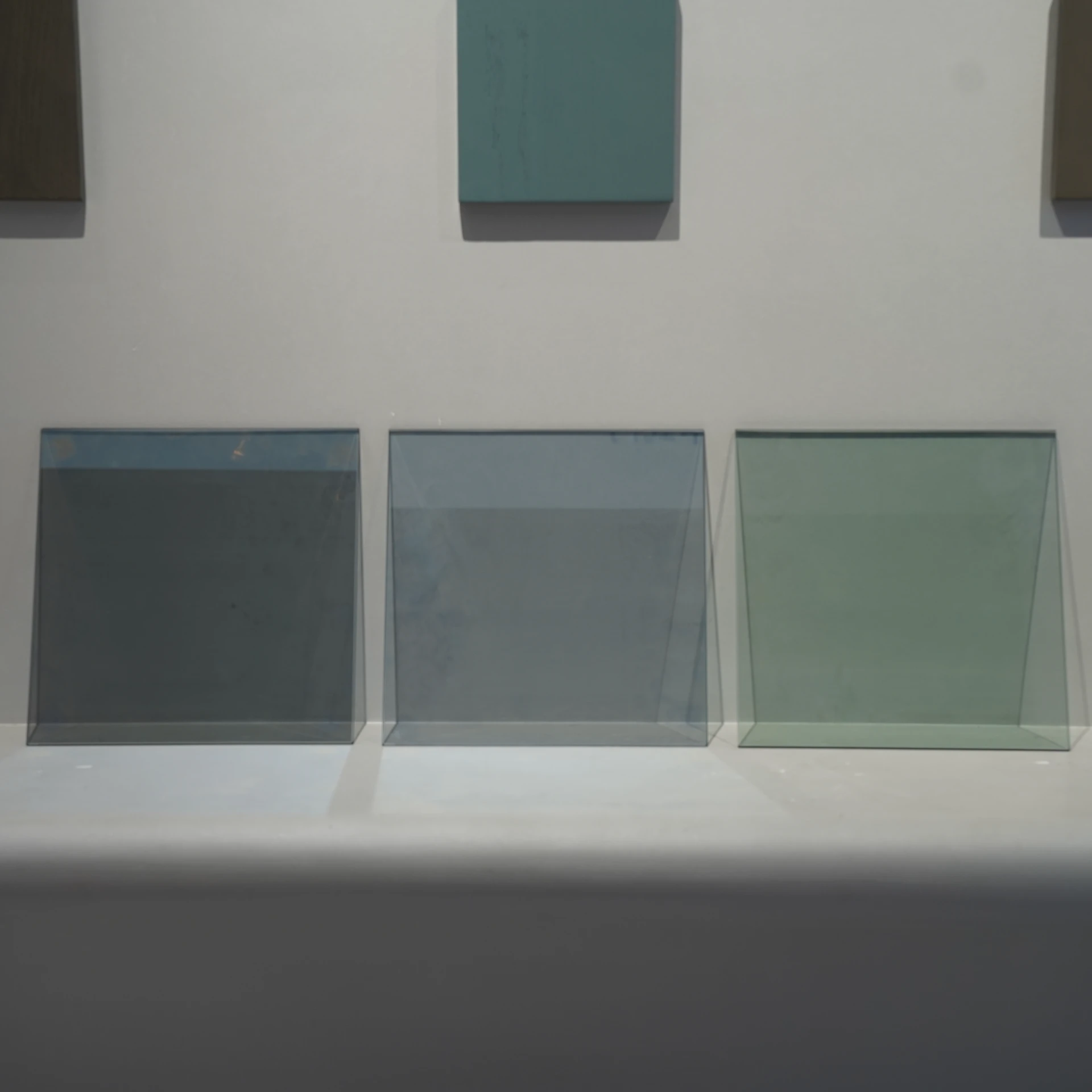
Currently, the market is shifting from standard glazing to specialized low iron glass sheet to eliminate the greenish tint common in traditional glass. This is particularly evident in high-end government buildings and luxury residential complexes where color neutrality is paramount for architectural precision.

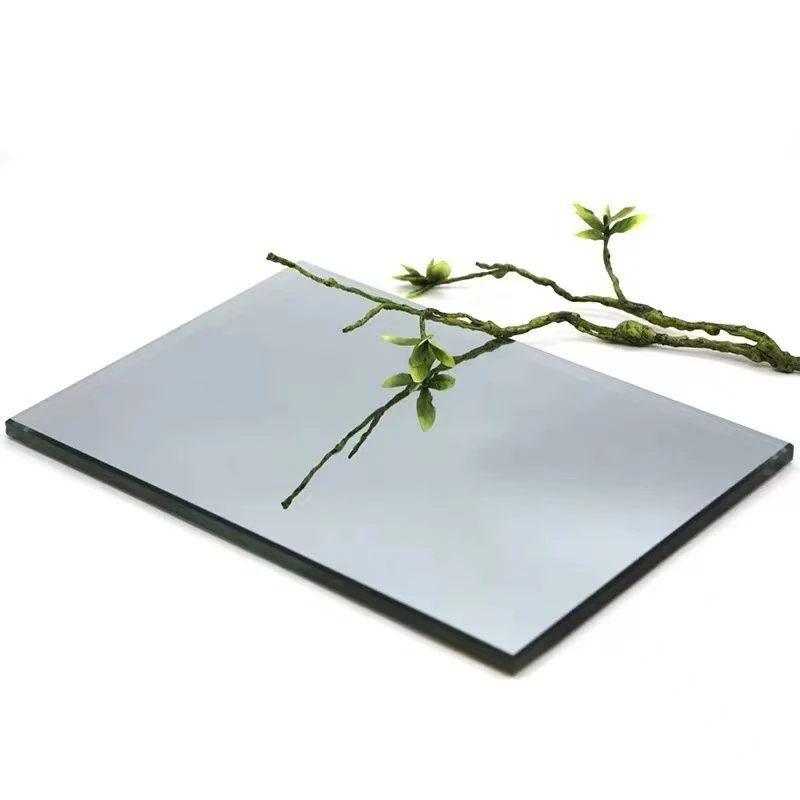
The prevalence of sandstorms and high UV radiation in the Karakum Desert regions necessitates the use of advanced coatings. This has led to an increase in the adoption of white coated glass to reflect solar heat and reduce the cooling load on HVAC systems during scorching summers.
Evolution of Flat Glass Technology in Turkmenistan

From traditional soda-lime glass to intelligent energy-saving coatings.

Market Development History

Prior to 2000, the Turkmenistan market relied heavily on basic float glass for simple residential needs, with limited focus on thermal efficiency. The primary goal was basic weather protection and visibility.

Between 2010 and 2020, the "White City" initiative in Ashgabat accelerated the demand for clear glass low iron. Architects began prioritizing transparency and luminosity, leading to a transition toward high-clarity substrates for curtain wall systems.

Since 2021, the focus has evolved toward "Green Building" standards. The integration of dual-silver layers in Low-E coatings has become the benchmark for new commercial developments to combat the region's extreme solar gain.

Future Development Trends

Smart Dynamic Glazing

Integration of electrochromic layers that adjust transparency based on the intense Turkmenistan sun, reducing dependency on mechanical shading.

Ultra-High Thermal Insulation

Further refinement of vacuum-insulated glass (VIG) combining Low-E coatings to achieve U-values suitable for extreme desert-to-winter transitions.

Sustainability-Driven Production

A shift toward recycled cullet in the manufacturing of float glass to align with global carbon reduction goals while maintaining optical purity.

Industry Trends and Future Outlook

Predicting the trajectory of high-performance glass in Central Asia.

Solar Heat Control
Increasing demand for high-selectivity coatings that block infrared heat while maximizing visible light in desert climates.
Ultra-Clear Aesthetics
The transition toward low-iron substrates for luxury retail and museums to ensure 99% color accuracy.
Structural Integration
Developing larger single-pane sizes for panoramic views in new administrative centers.
Energy Regulation
Adopting Low-E glass to meet the strict energy efficiency mandates of modern Turkmenistan urban planning.

Industry Outlook

The Turkmenistan glass market is expected to grow by 4-6% CAGR over the next 5 years, driven by the continuous expansion of Ashgabat and the development of new economic zones. Google search trends indicate a rising interest in "energy-efficient building materials" and "heat-reflective glass," signaling a shift toward sustainable construction.

Future success will depend on the ability to combine aesthetic transparency with extreme thermal resistance, making high-end Low-E and low-iron products the dominant choice for the region's architectural elite.

Localized Application Scenarios in Turkmenistan

Practical implementations of high-performance glass in various regional contexts.

01. Government Administrative Centers

Using dual low e glass for massive curtain walls to maintain interior cooling while showcasing the majestic exterior architecture of Ashgabat.

02. High-End Commercial Retail

Implementing low iron glass sheet in luxury boutiques to ensure merchandise is displayed without any color distortion from the glass.

03. Desert-Region Residential Villas

Installing white coated glass to reflect intense sunlight and prevent the "greenhouse effect" in remote residential properties.

04. Modern Cultural Museums

Utilizing clear glass low iron for protective displays and skylights to allow natural light to illuminate artifacts with maximum clarity.

05. Industrial Greenhouse Complexes

Employing heavy-duty float glass with specialized coatings to optimize light transmission for agriculture in the arid regions.

Brand Story

Global Development Process of Wangmei Industrial Group Co., Ltd.

Industrial Foundation

Established with a mission to redefine glass purity, focusing on solving the common issue of iron impurities in standard float glass.

Technological Breakthrough

Developed advanced Low-E coating lines that allow for dual-silver layering, significantly increasing thermal insulation capabilities.

Global Market Expansion

Successfully entered the Central Asian market, providing customized glass solutions for extreme continental climates.

Sustainability Pivot

Integrated eco-friendly manufacturing processes, reducing carbon emissions in the production of architectural glass.

Industry Leadership

Recognized as a leading provider of high-transparency and high-efficiency glass for the world's most ambitious architectural projects.

Complete Glass Portfolio for Turkmenistan

A comprehensive range of high-performance glazing options for every architectural need.

FAQ for Glass Solutions in Turkmenistan

Expert answers to common technical questions regarding flat glass applications.

How does dual low e glass perform in the extreme heat of Ashgabat?

Dual low-e glass utilizes two layers of silver coating to significantly reflect infrared radiation, keeping interiors cool and reducing air conditioning costs during Turkmenistan's peak summer.

What is the benefit of low iron glass sheet over standard float glass?

Low iron glass removes the natural green tint found in standard float glass, providing superior clarity and true color rendering, which is ideal for high-end architectural facades.

Can clear glass low iron withstand sandstorm abrasion in the desert?

Yes, while the glass itself is clear, it can be tempered or laminated to increase surface hardness and durability against the abrasive effects of wind-blown sand.

Why is white coated glass recommended for Turkmenistan's residential buildings?

White coated glass provides a high solar reflectance index (SRI), preventing heat absorption into the building envelope and maintaining a comfortable indoor environment.

Is float glass suitable for industrial greenhouses in Central Asia?

Absolutely. Our high-quality float glass offers the perfect balance of light transmission and structural strength required for agricultural applications in varying climates.

How to choose between single and dual Low-E coatings for office buildings?

For buildings with large glass exposures in Turkmenistan, dual low-e glass is highly recommended due to its significantly lower U-value and better solar control compared to single coatings.

Ready to Upgrade Your Architecture?

Contact our technical team today for a customized high-performance glass consultation for your projects in Turkmenistan.

Contact Us Now

If you are interested in our products, you can choose to leave your information here, and we will be in touch with you shortly.