
Premium low iron glass sheet Solutions for Nigeria's Modern Infrastructure

Providing high-transparency and energy-efficient glass engineering for Nigeria's rapidly expanding commercial and residential sectors.

Premium low iron glass sheet Solutions for Nigeria's Modern Infrastructure

Integrating advanced float glass technology with thermal efficiency to meet the rigorous architectural demands of the Nigerian climate.

Analyzing the Glass Manufacturing Landscape in Nigeria

Addressing the balance between rapid urbanization and thermal management in West Africa.

Nigeria's construction industry is currently experiencing a surge in high-rise development, particularly in Lagos and Abuja. However, the intense tropical sun and high humidity levels create a significant demand for specialized float glass that can withstand thermal stress while maintaining aesthetic clarity.

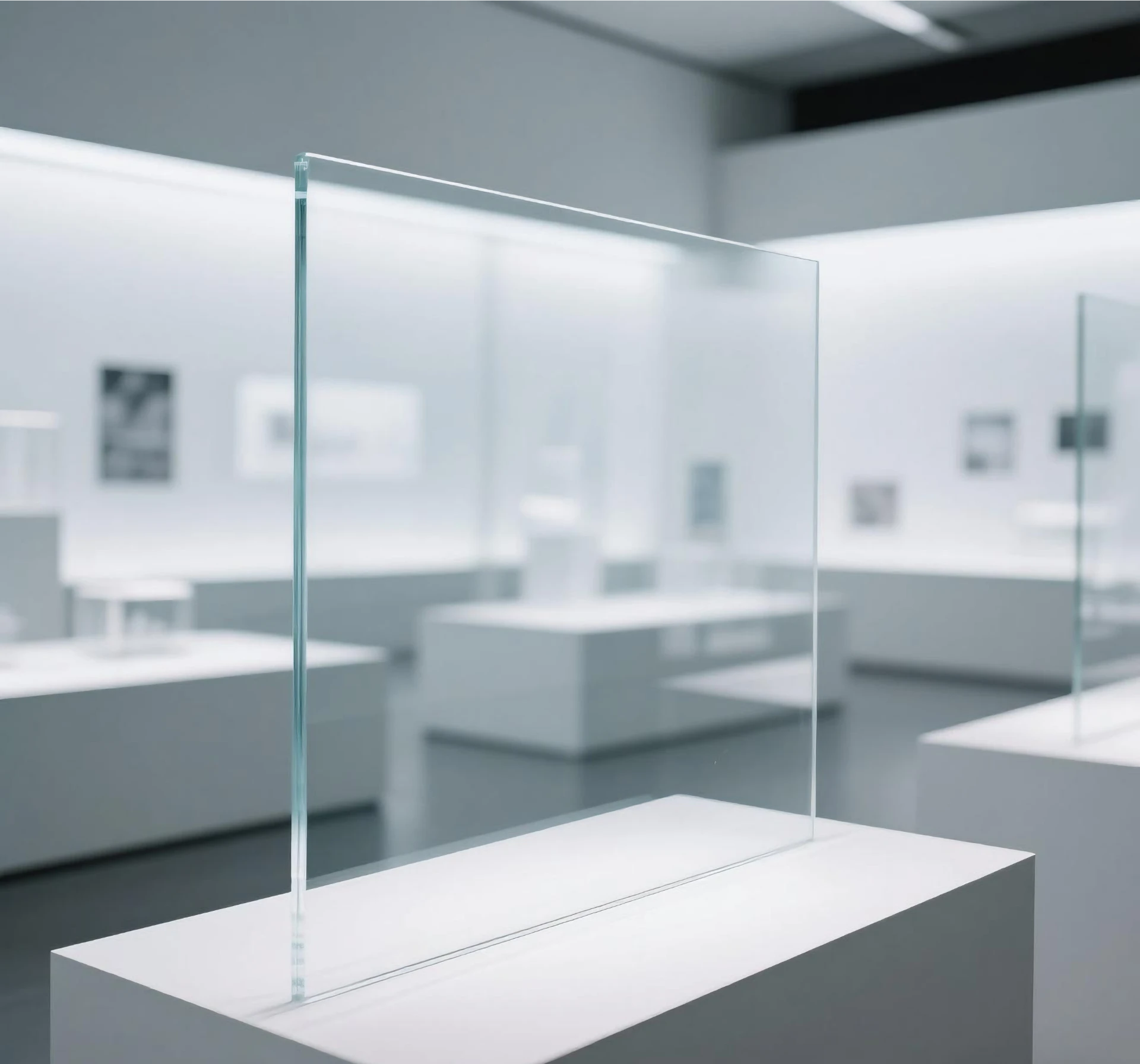
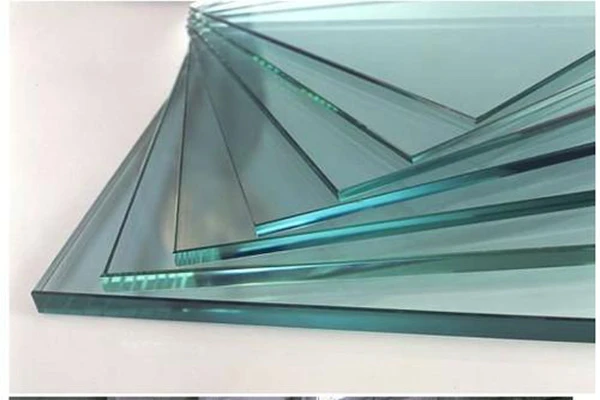
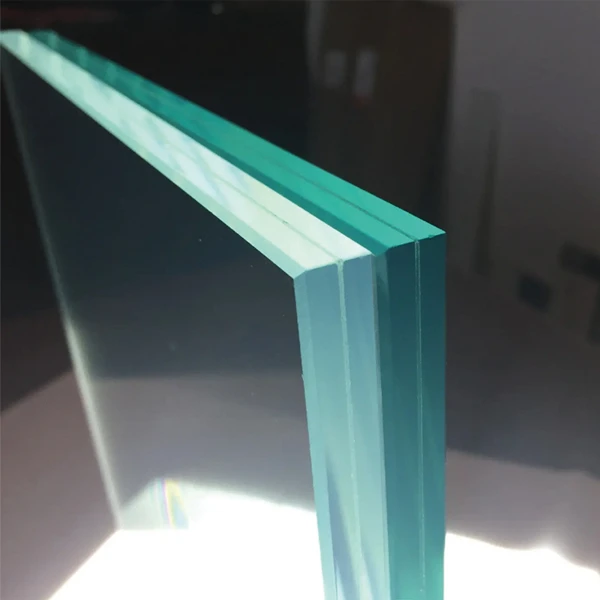
Currently, there is a noticeable shift from standard clear glass to clear glass low iron to avoid the greenish tint common in traditional glass, as Nigerian architects seek a more "invisible" look for luxury facades and high-end retail storefronts.

Furthermore, the rising cost of electricity for air conditioning in Nigerian commercial hubs has driven a critical need for dual low e glass, which reduces solar heat gain and lowers the operational costs of large-scale building envelopes.
Evolution of Glass Technology in the Nigerian Market

From basic structural glazing to advanced spectral control.

Market Development History

In the early 2000s, the Nigerian market was dominated by basic float glass imports, where the primary focus was on structural integrity and basic weatherproofing for residential housing.

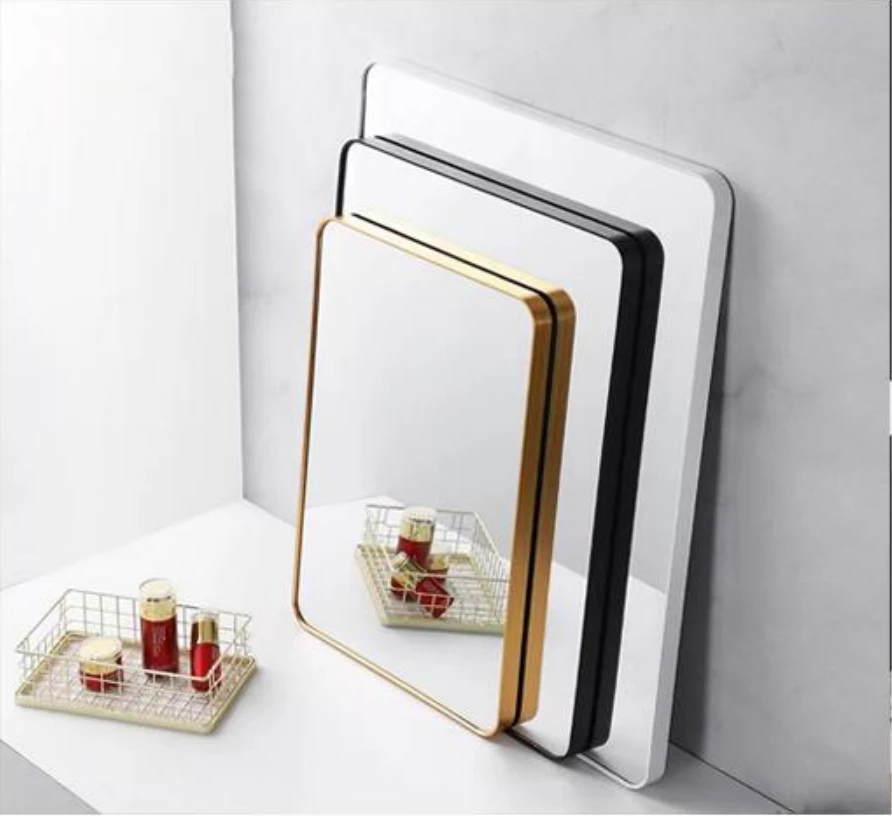
Between 2010 and 2020, the emergence of the "Modernist" architectural wave in Lagos led to the adoption of white coated glass, which provided better reflectivity and privacy for corporate office buildings.

Since 2021, the trend has shifted toward sustainability, with a sharp increase in the specification of Low-Emissivity (Low-E) coatings to combat the extreme heat of the Sahel and coastal regions.

Future Development Trends

Dynamic Solar Control

Integration of smart coatings that adjust transparency based on Nigeria's peak sunlight hours to optimize natural lighting.

Ultra-Clear Aesthetics

A surge in demand for high-purity low iron glass sheet for interior partitions in luxury hotels and malls.

Energy-Neutral Architecture

The adoption of triple-silver Low-E coatings to create near-passive cooling environments in tropical climates.

Industry Trends and Strategic Outlook

Forecasting the trajectory of non-metallic mineral products in West Africa.

Thermal Efficiency Peak
Increasing reliance on dual low e glass to reduce HVAC energy consumption across Nigerian cities.
Ultra-Clear Specification
The transition from standard float to low-iron options for high-transparency luxury projects.
Sustainable Sourcing
Adopting eco-friendly manufacturing processes to align with global green building standards in Africa.
Coated Glass Growth
Increasing demand for reflective and white coated glass for urban privacy.

Industry Outlook

Over the next 3-5 years, we expect the Nigerian market to move beyond simple imports toward higher-value processed glass. Search data indicates a rising trend in "energy-saving architecture" in West Africa, signaling a massive shift toward Low-E and solar-control glazing.

The integration of high-performance glass will be pivotal for the "Smart City" initiatives appearing in Nigeria's economic zones, where thermal comfort and luminosity are non-negotiable requirements.

Localized Application Scenarios in Nigeria

Real-world deployment of high-performance glass in diverse Nigerian environments.

01. Lagos Waterfront Commercial Towers

Using dual low e glass to maximize the stunning Atlantic views while preventing the interior from overheating under the intense coastal sun.

02. Abuja Diplomatic Enclaves

Implementation of clear glass low iron for embassies and government buildings to ensure prestige, clarity, and a modern aesthetic.

03. High-End Retail Malls in Lekki

Applying low iron glass sheet for luxury boutique showcases, ensuring product colors are rendered accurately without the green tint.

04. Industrial Warehousing in Kano

Utilizing heavy-duty float glass for skylights and structural partitions to provide natural light while maintaining durability.

05. Urban Corporate Offices in Victoria Island

Deploying white coated glass for external facades to ensure daytime privacy and reduce glare for employees in high-density office clusters.

Brand Story

Global Development Journey of Wangmei Industrial Group Co., Ltd.

Foundational Excellence

Established with a vision to revolutionize the glass manufacturing process, focusing on purity and structural strength from day one.

Technological Breakthrough

Developing proprietary Low-Iron smelting techniques to eliminate the iron-oxide tint, setting a new standard for clarity.

Global Expansion

Expanding operations into West Africa to provide Nigerian builders with direct access to high-performance architectural glass.

Sustainability Pivot

Integrating Low-E and energy-saving coatings to help our clients reduce their carbon footprint in tropical climates.

Future-Proofing Architecture

Continuing to innovate in the field of non-metallic mineral products to support the next generation of smart cities.

Complete Glass Portfolio for the Nigerian Market

A comprehensive range of flat glass solutions tailored for West African environmental challenges.

Frequently Asked Questions for Nigeria Glass Imports

Expert answers to common technical and logistical queries.

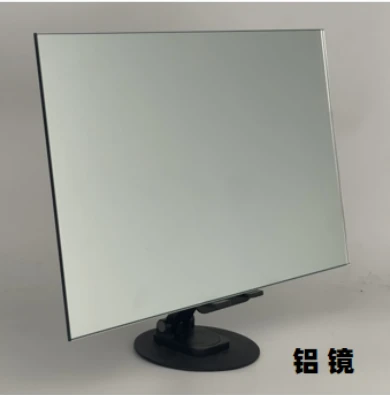
What are the benefits of using low iron glass sheet in luxury Nigerian villas?

Low-iron glass eliminates the natural green tint of standard glass, providing maximum light transmission and a crystal-clear view, which is essential for high-end architectural aesthetics in luxury residential projects.

How does dual low e glass help reduce electricity bills in Lagos?

Dual Low-E glass reflects a significant portion of infrared and ultraviolet light, reducing the solar heat gain inside the building. This drastically lowers the load on air conditioning systems, leading to lower energy costs.

Can clear glass low iron withstand the high humidity of coastal Nigeria?

Yes, our low-iron glass is manufactured to the same rigorous structural standards as float glass, ensuring it is fully resistant to humidity and atmospheric corrosion common in coastal cities like Lagos.

What is the difference between float glass and white coated glass for office privacy?

While float glass is transparent, white coated glass features a reflective layer that provides daytime privacy and reduces glare, making it ideal for corporate environments where interior confidentiality is required.

Is dual low e glass suitable for the dry heat of Northern Nigeria?

Absolutely. In the arid regions of Northern Nigeria, Dual Low-E glass is highly effective at blocking intense solar radiation, keeping interiors cool without compromising natural daylight.

How do I choose between low iron glass sheet and standard float glass for my project?

Choose low-iron glass if your priority is ultra-transparency and color accuracy. Choose standard float glass for general structural purposes where a slight greenish tint is acceptable and budget optimization is key.

Partner with Nigeria's Glass Experts

Ready to elevate your project in Nigeria with world-class float glass and Low-E solutions? Our engineering team is here to help.

Contact Us Now

If you are interested in our products, you can choose to leave your information here, and we will be in touch with you shortly.