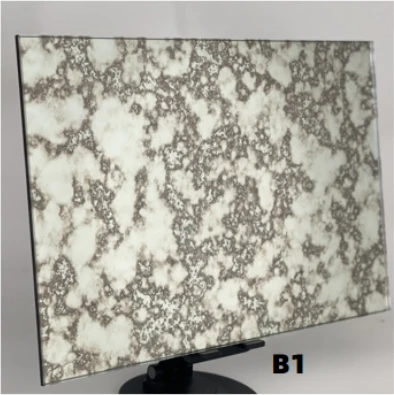
Premium low iron glass sheet Solutions for South Africa

Engineering high-transparency and energy-efficient glass surfaces to withstand the unique climatic challenges of the Southern African region.

Premium low iron glass sheet Solutions for South Africa

Our advanced float glass technology provides the South African construction and manufacturing sectors with superior clarity, thermal stability, and aesthetic versatility.

Current Landscape of Glass Manufacturing in South Africa

Analyzing the intersection of high solar radiation and architectural evolution in the region.

South Africa's glass market is characterized by a high demand for durability due to extreme UV exposure and temperature fluctuations. The transition toward float glass remains a cornerstone, but there is a growing shift toward specialty glasses that can reduce indoor heat gain without sacrificing natural light.

In urban hubs like Johannesburg and Cape Town, the preference for clear glass low iron has surged. This is driven by a desire for "invisible" facades in luxury commercial developments, where the greenish tint of standard glass is no longer acceptable for high-end architectural aesthetics.

Furthermore, the industrial sector is increasingly integrating white coated glass for interior partitions and specialized furniture, balancing the need for privacy with the brightness required in modern, open-plan South African workspaces.
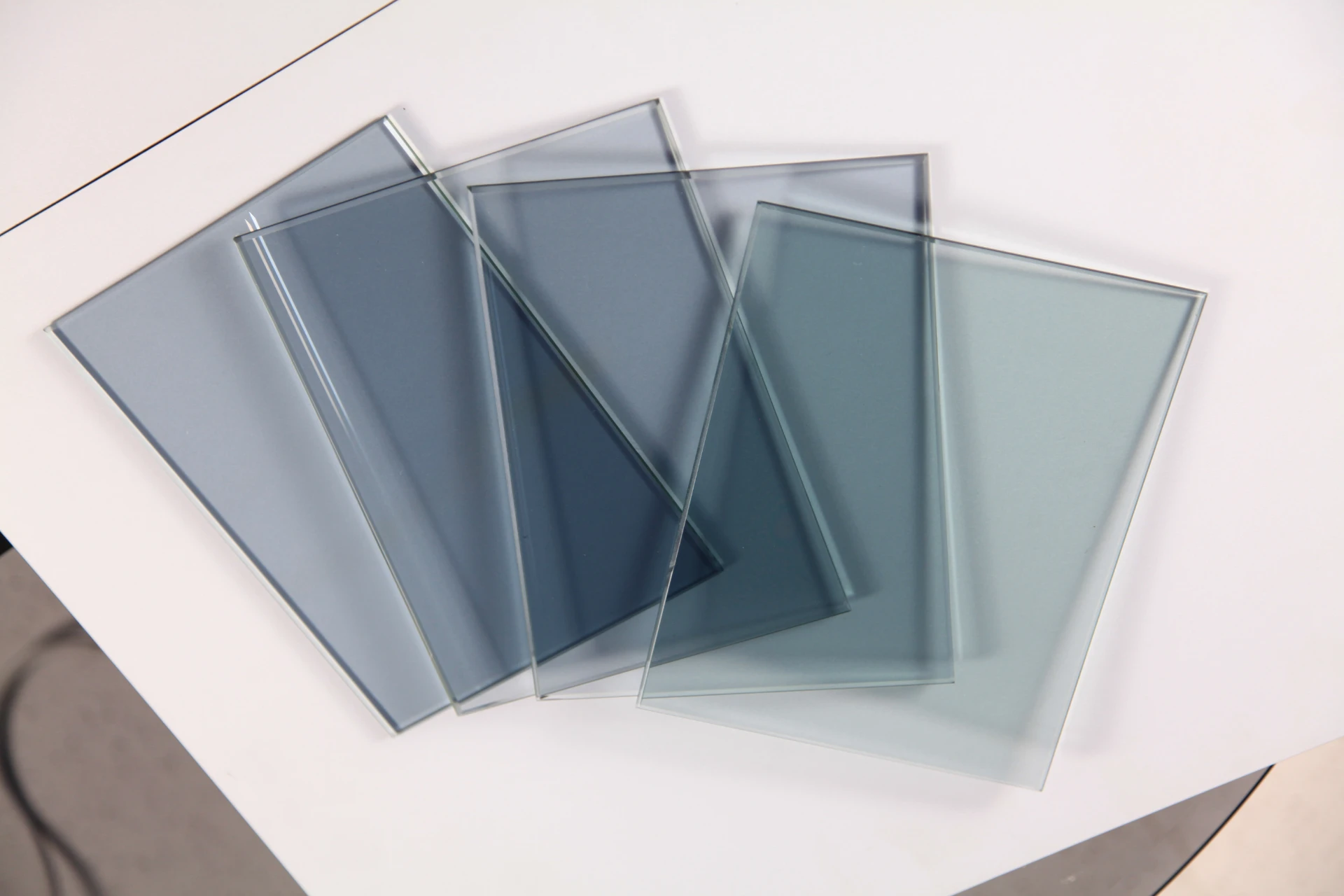
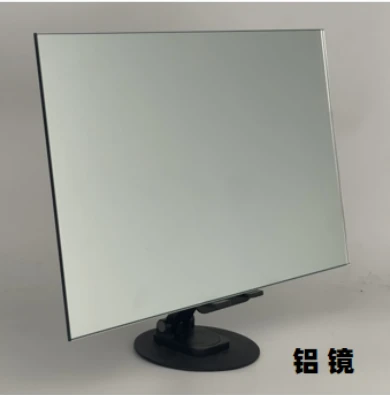
Evolution and Technical Trajectory of Flat Glass

From basic float processes to advanced spectral control.

Market Development History

Historically, the South African market relied on standard float glass produced via traditional methods, where iron impurities led to a distinct green hue. During the late 1990s and early 2000s, the focus was primarily on structural integrity and basic weather resistance.

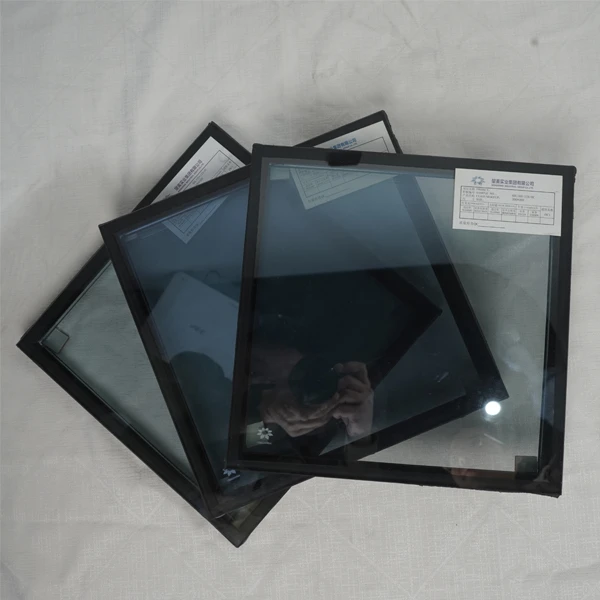
By 2010, the demand for high-performance glazing evolved. The introduction of dual low e glass marked a turning point, allowing developers to tackle the heat-island effect in dense metropolitan areas by reflecting infrared light while permitting visible light.

In recent years, the convergence of sustainability goals and luxury design has pushed the industry toward ultra-clear options, making the adoption of low-iron technology a standard for premium projects rather than a niche luxury.

Future Development Trends

Smart Thermal Regulation

Integration of dynamic coatings that adapt to the intense South African sun, reducing HVAC loads in commercial skyscrapers.

Ultra-High Transparency Standards

A projected 15% increase in demand for low-iron specifications to support the growing solar energy integration in building facades.

Sustainable Circularity

Movement toward 100% recyclable glass sheets and reduced carbon footprints during the smelting process to align with global green building certifications.

Industry Trends and Future Outlook

Predicting the next 5 years of flat glass innovation in the Southern Hemisphere.

Energy Efficiency Optimization
Increasing adoption of Low-E coatings to combat rising electricity costs and extreme heat in South Africa.
Architectural Transparency
Shift toward ultra-clear low-iron glass for high-end retail and residential seafront properties in Cape Town.
Specialized Coating Integration
Growth in self-cleaning and anti-reflective coatings to reduce maintenance in dusty environment areas.
Sustainable Sourcing
Increased demand for low-carbon manufacturing processes to comply with South African green building codes.

Industry Outlook

Google search trends in South Africa indicate a rising interest in "energy-saving windows" and "high-clarity glass," suggesting that the market is moving away from basic utility toward specialized performance. This shift aligns with the broader African trend of urban modernization and climate-responsive architecture.

Within the next 3-5 years, we anticipate the proliferation of hybrid glass solutions that combine low-iron purity with multi-layer Low-E coatings, providing an optimal balance between visual clarity and thermal insulation for the subtropical climate.

Localized Application Scenarios in South Africa

Real-world implementations of high-performance glass across various sectors.

01. Luxury Coastal Villas in Cape Town

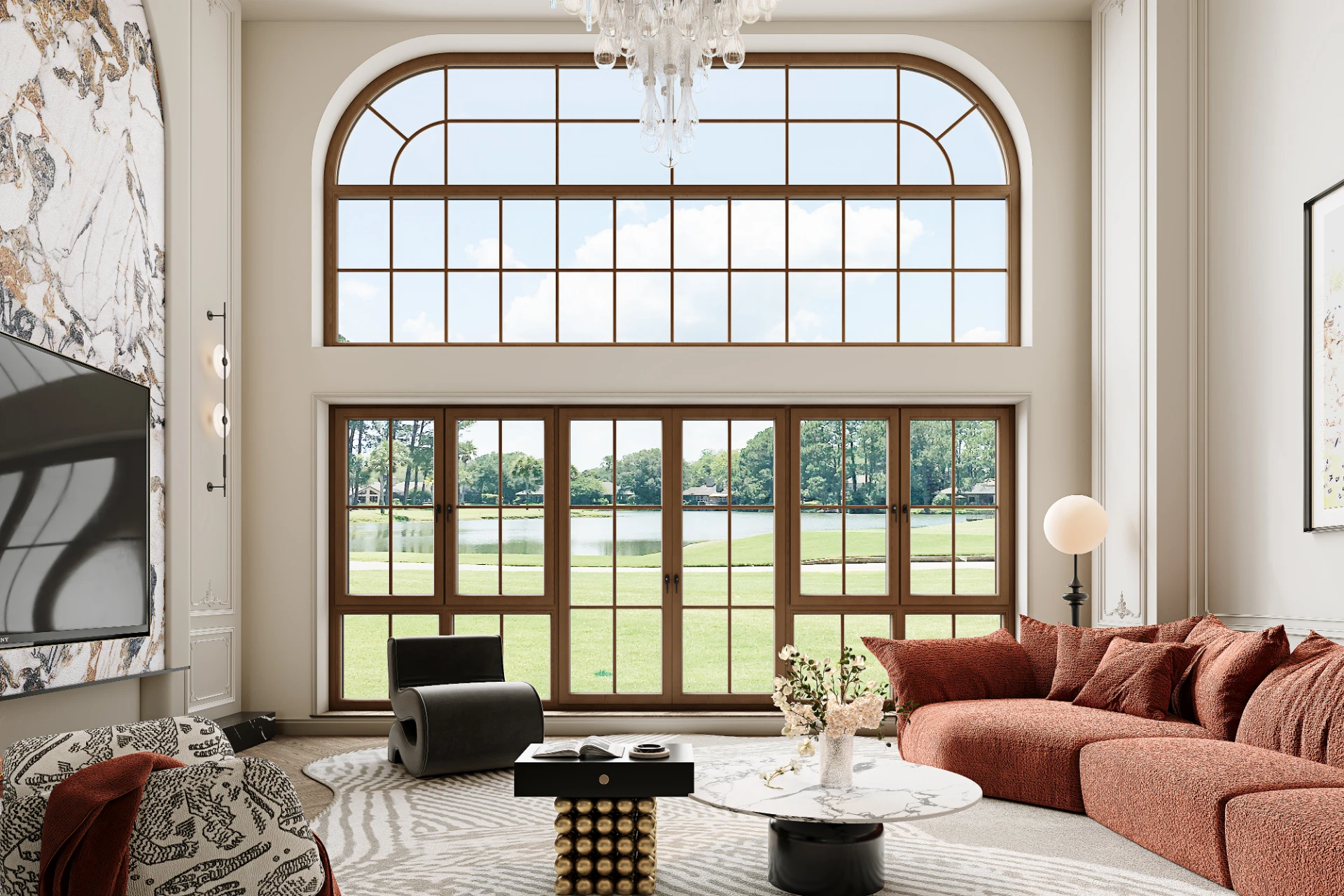
Using clear glass low iron for floor-to-ceiling windows to ensure unobstructed views of the Atlantic Ocean without the standard green tint.

02. Commercial Skyscrapers in Sandton

Implementation of dual low e glass to reduce solar heat gain, significantly lowering cooling costs during peak summer months.

03. High-End Retail Storefronts in V&A Waterfront

Deployment of premium low iron glass sheet for luxury brand displays, enhancing product color accuracy under bright sunlight.

04. Modern Corporate Offices in Pretoria

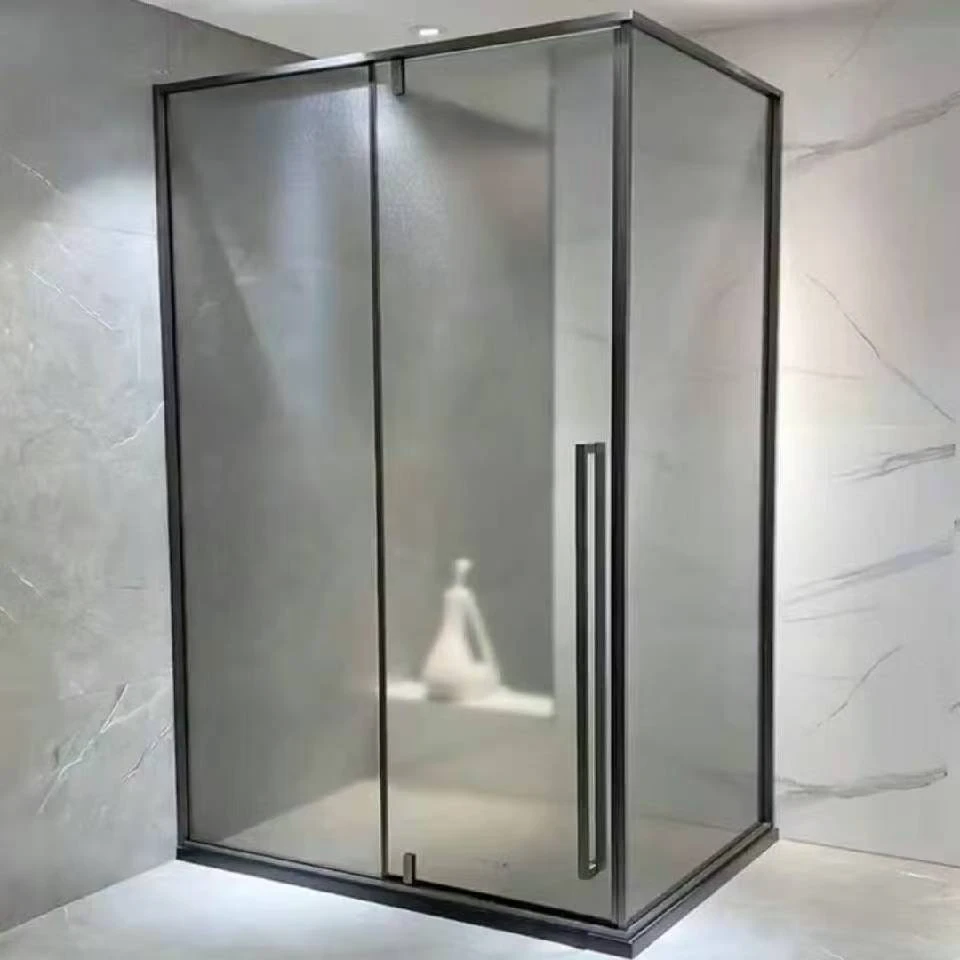
Utilization of white coated glass for sophisticated internal partitions, providing a bright, professional aesthetic with controlled light diffusion.

05. Industrial Solar Greenhouse Projects

Applying high-transmittance float glass variants to maximize PAR light for agricultural efficiency in semi-arid regions.

Brand Story

Global Development History of Wangmei Industrial Group Co., Ltd.

Foundation and Vision

Established with a mission to redefine clarity, Wangmei began by solving the fundamental purity issues in mass-produced flat glass.

Technological Breakthrough

Developed proprietary low-iron smelting processes, allowing us to produce glass with unprecedented light transmission levels.

Global Market Expansion

Expanded our footprint into Africa, specifically tailoring our product range to meet the rigorous thermal demands of the South African market.

Sustainability Integration

Implemented eco-friendly production lines, reducing energy consumption per ton of glass produced to support global carbon neutrality.

Industry Leadership

Today, we stand as a leading partner for architects worldwide, solving the pain points of thermal efficiency and visual purity.

Comprehensive Glass Portfolio for South Africa

A curated selection of high-performance glass products designed for the Southern African environment.

Common Questions about Glass Solutions in South Africa

Technical answers to the most frequent industry queries.

What is the main advantage of low iron glass sheet in sunny climates?

Low iron glass reduces the iron oxide content, eliminating the greenish tint. In sunny climates like South Africa, this allows for maximum natural light transmission and true color rendering for architectural designs.

How does dual low e glass improve energy efficiency in commercial buildings?

Dual Low-E glass uses two layers of metallic coatings to reflect infrared heat back to its source. This prevents external heat from entering during summer and keeps internal heat inside during winter, drastically reducing HVAC costs.

Can clear glass low iron be used for structural facades?

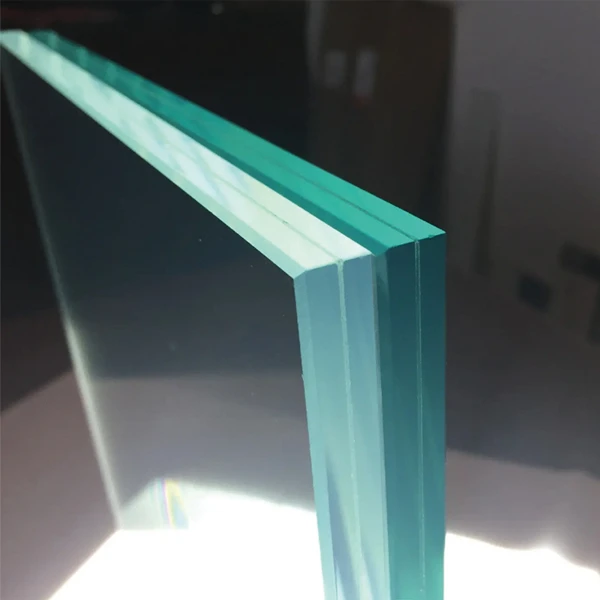
Yes, when tempered or laminated, low-iron glass provides the same structural strength as standard float glass while offering superior clarity, making it ideal for high-rise facades.

What is white coated glass best used for in interior design?

White coated glass is ideal for back-painted applications, office partitions, and luxury furniture where a clean, opaque white finish is required with the durability and hygiene of glass.

How does standard float glass differ from ultra-clear options?

Standard float glass contains iron impurities that create a green edge. Ultra-clear options remove these impurities to ensure the glass is virtually invisible and perfectly transparent.

Are there specific maintenance tips for Low-E glass in dusty areas?

To maintain the performance of the Low-E coating, it is recommended to use non-abrasive cleaners and soft cloths to prevent micro-scratches that can affect the thermal properties of the glass.

Get Expert Glass Consultation

Our technical team is ready to help you select the perfect glazing solution for your project in South Africa.

Contact Us Now

If you are interested in our products, you can choose to leave your information here, and we will be in touch with you shortly.