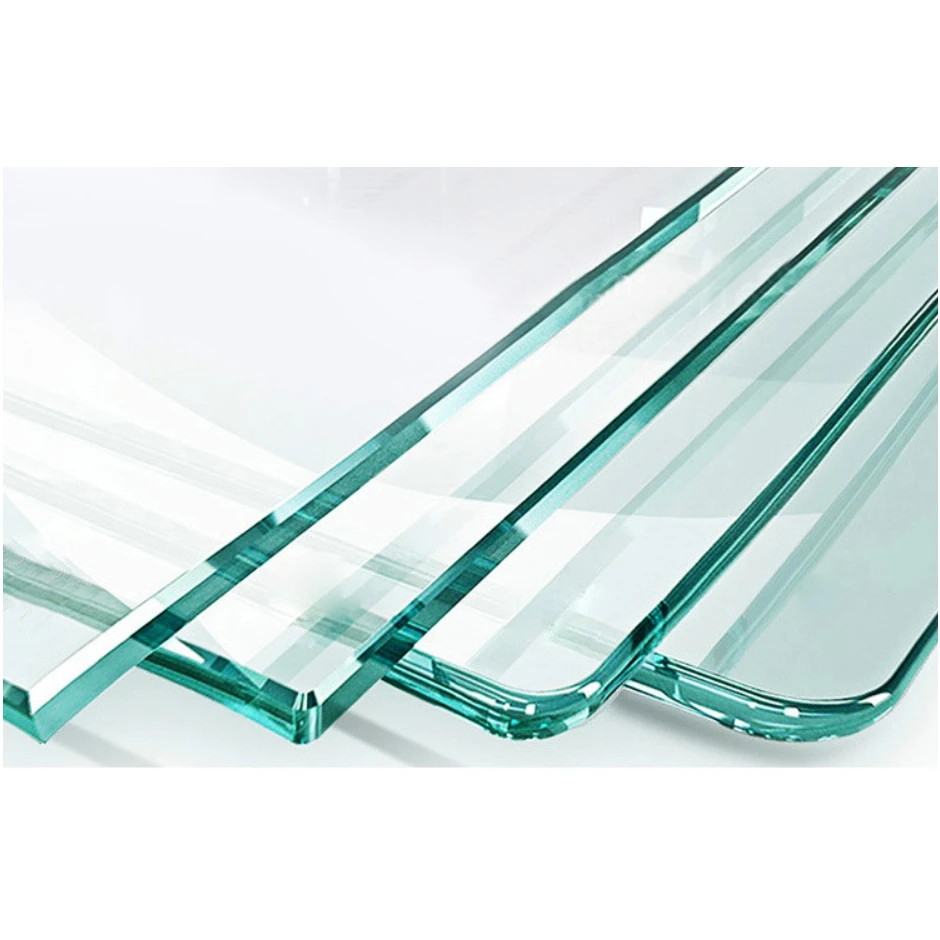
High-Performance dual low e glass Solutions for Poland

Engineered for the Polish climate, providing superior thermal insulation and crystal-clear transparency for modern architecture.

High-Performance dual low e glass Solutions for Poland

Integrating advanced coating technologies to optimize energy efficiency and light transmission for Polish residential and commercial infrastructure.

The Landscape of Glass Manufacturing in Poland

Analyzing the intersection of energy regulations and architectural demands in Central Europe.

Poland's construction sector is currently undergoing a massive transition toward energy sustainability, driven by stringent EU energy performance directives. In the Polish market, the demand for high-quality float glass has evolved from basic structural needs to high-performance thermal barriers that can withstand harsh winters and humid summers.

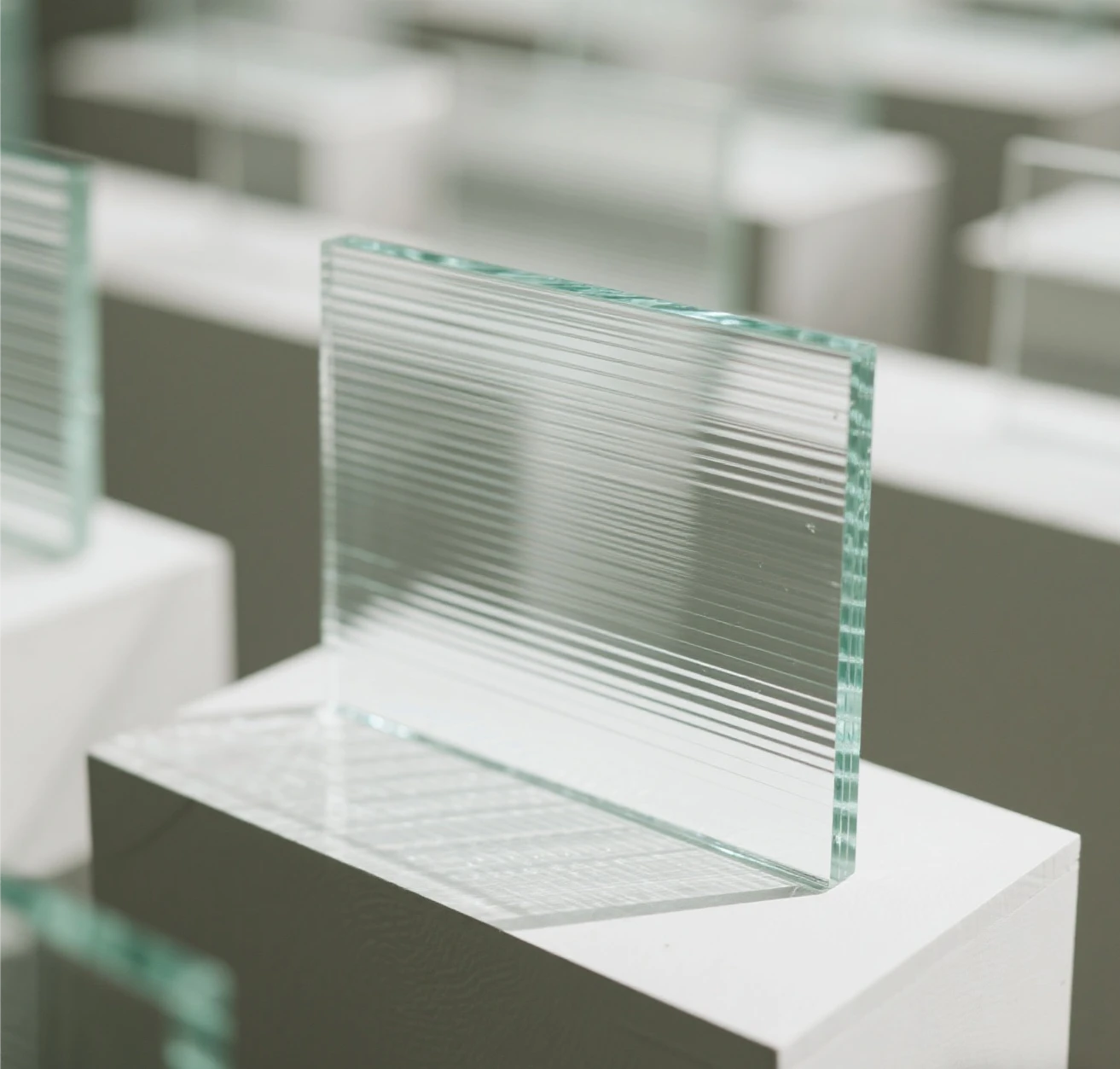
The local industry faces a unique challenge: balancing the traditional aesthetic of Polish architecture with the modern necessity for heat retention. This has led to a surge in the adoption of low iron glass sheet, as architects seek to maximize natural light penetration during the shorter winter days of the Northern European hemisphere.

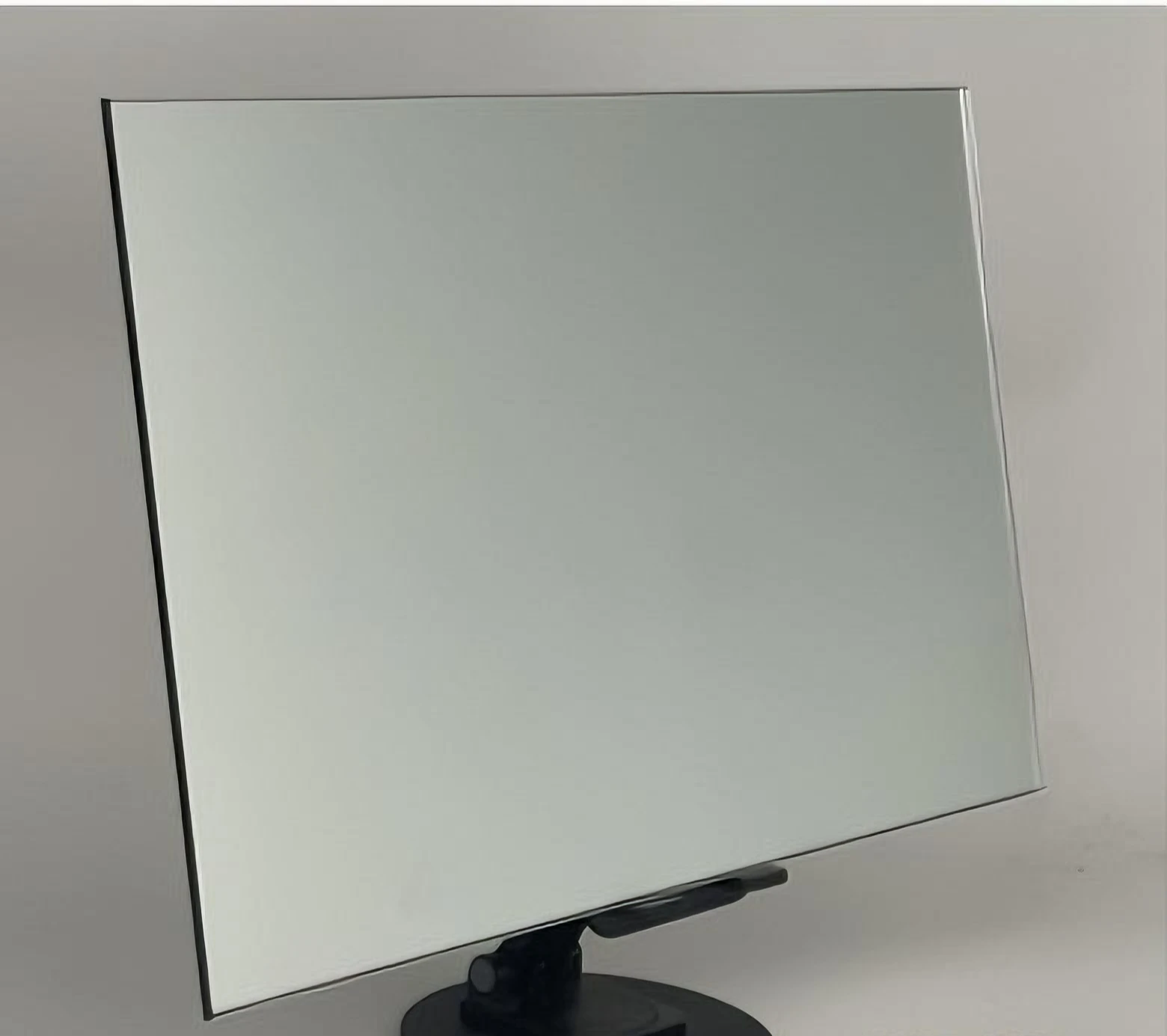
Furthermore, the growth of the commercial office sector in Warsaw and Kraków has intensified the requirement for specialty products like white coated glass, which provides essential solar control and privacy without sacrificing the brightness of the interior workspace.
Evolution and Trajectory of Polish Glass Technology

From industrial foundations to smart-glass integration.

Market Development History

Historically, the Polish glass market was dominated by standard soda-lime glass focused on durability. Between 1990 and 2010, the focus shifted toward the mass production of float glass to support the post-industrial urban expansion and the rise of residential housing blocks.

From 2010 to 2020, a technical iteration occurred as "Clear" glass became insufficient for luxury facades. The introduction of clear glass low iron allowed for the removal of the greenish tint, enabling the high-transparency aesthetics now common in Poland's modern galleries and showrooms.

Since 2020, the trajectory has moved toward multi-functional glazing. The shift from single-layer coatings to complex systems like double silver layers represents the peak of current technical adoption in the region.

Future Development Trends

Vacuum Insulation Integration

Predicting a move toward thinner profiles that offer the same thermal resistance as thick triple-glazing, optimizing structural load in Polish apartments.

Dynamic Solar Control

Integration of electrochromic layers that adjust opacity based on the intensity of the Polish sun, reducing HVAC costs by up to 30%.

Circular Economy Manufacturing

A shift toward 100% recyclable glass cullet in the production of specialty sheets to meet the Green Deal goals of the European Union.

Future Trends and Industry Outlook

Strategic foresight based on European architectural trends and Google search data.

Ultra-Low Emissivity
Enhanced coatings focusing on extreme heat retention for the colder Polish winter months.
High-Clarity Aesthetics
Increasing demand for minimal iron content to enhance the visual purity of luxury retail spaces.
BIPV Integration
Integrating photovoltaic cells into glass sheets for urban energy generation in Poland's cities.
Smart Coatings
Development of self-cleaning and anti-pollution coatings to combat urban smog in Polish industrial hubs.

Industry Outlook

The next 3-5 years will see the Polish market shifting from "standard insulation" to "intelligent thermal management." Search trends indicate a rising interest in passive house certifications, which will directly drive the consumption of dual-silver low-e coatings.

We expect the convergence of digitalization and glass manufacturing, where the glass itself becomes a sensor for building automation, further increasing the value of high-precision base sheets produced via the float process.

Localized Application Scenarios in Poland

Real-world implementation of advanced glass solutions across diverse Polish environments.

01. Warsaw Financial District Skyscrapers

Utilizing dual low e glass to maintain internal temperatures in high-rise offices while reducing cooling loads during summer heatwaves.

02. Luxury Residences in Zakopane

Implementing low iron glass sheet in mountain villas to ensure panoramic views of the Tatra mountains remain vivid and untinted.

03. Kraków Historical Museum Extensions

Using clear glass low iron for glass-roof structures that require maximum light transparency to protect and display artifacts.

04. Industrial Parks in Silesia

Applying white coated glass for large-scale factory partitions to provide light diffusion and privacy in high-traffic production areas.

05. Modern Residential Apartments in Gdańsk

Installation of energy-efficient float glass units with thermal breaks to protect interiors from the salty, humid Baltic sea breeze.

Brand Story

Global Development History of Wangmei Industrial Group Co., Ltd.

Foundation of Precision

Established with a mission to solve the instability of glass thickness in early industrial production, setting the standard for high-precision float lines.

Technological Breakthrough

Pioneered the integration of low-iron raw material refining, enabling the production of ultra-clear sheets that revolutionized the architectural facade industry.

Global Expansion

Expanded operations to serve the European market, specifically tailoring energy-efficient coatings for the stringent climatic needs of Central Europe.

Sustainability Pivot

Invested in carbon-reduction melting technologies, ensuring that every sheet of glass produced minimizes environmental impact.

Industry Leadership

Now recognized as a premier provider of high-end glass solutions, solving the conflict between aesthetic transparency and thermal efficiency globally.

Comprehensive Glass Portfolio for the Polish Market

A curated selection of high-performance glazing designed for Polish architects and developers.

Common Inquiries Regarding Glass in Poland

Expert answers to technical challenges in the Polish glazing industry.

How does dual low e glass improve energy efficiency in Polish winters?

Dual low e glass uses two layers of silver coating to reflect heat back into the room, significantly reducing the U-value and lowering heating costs during Poland's freezing winters.

What is the visual difference between float glass and low iron glass sheet?

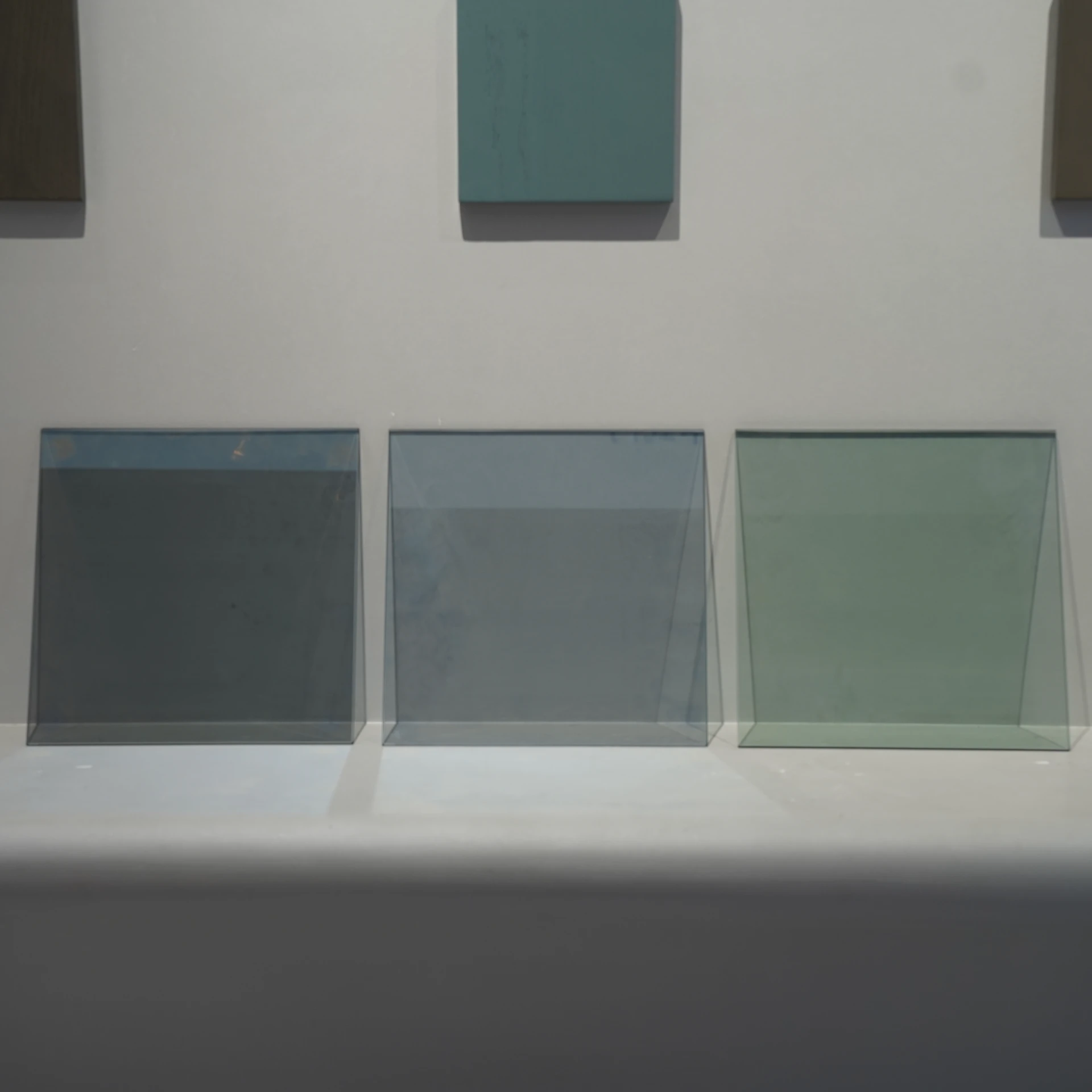
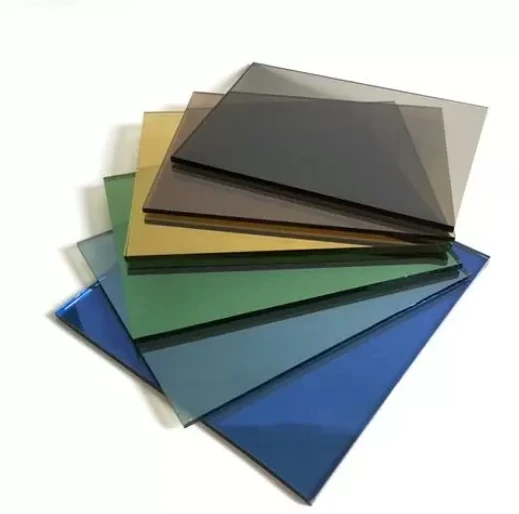
Standard float glass has a natural green tint due to iron oxide. Low iron glass removes these impurities, providing a neutral, crystal-clear appearance essential for luxury facades.

Is clear glass low iron suitable for high-UV exposure areas?

Yes, while providing high clarity, it is often paired with tempering or laminating processes to ensure structural integrity and UV protection for interior furnishings.

Where is white coated glass typically used in commercial projects?

It is primarily used in office partitions and interior design to provide a soft, diffused light effect while maintaining a level of visual privacy.

Does the Polish climate affect the durability of low-e coatings?

When used within an Insulated Glass Unit (IGU), the coatings are protected from the elements, ensuring long-term performance against Poland's temperature fluctuations.

What are the delivery lead times for customized glass sheets to Poland?

Lead times vary by order volume and customization, but our streamlined logistics network ensures efficient delivery to major Polish industrial hubs.

Consult Our Glass Experts

Ready to optimize your architectural project in Poland? Get a technical consultation for high-performance glazing today.

Contact Us Now

If you are interested in our products, you can choose to leave your information here, and we will be in touch with you shortly.