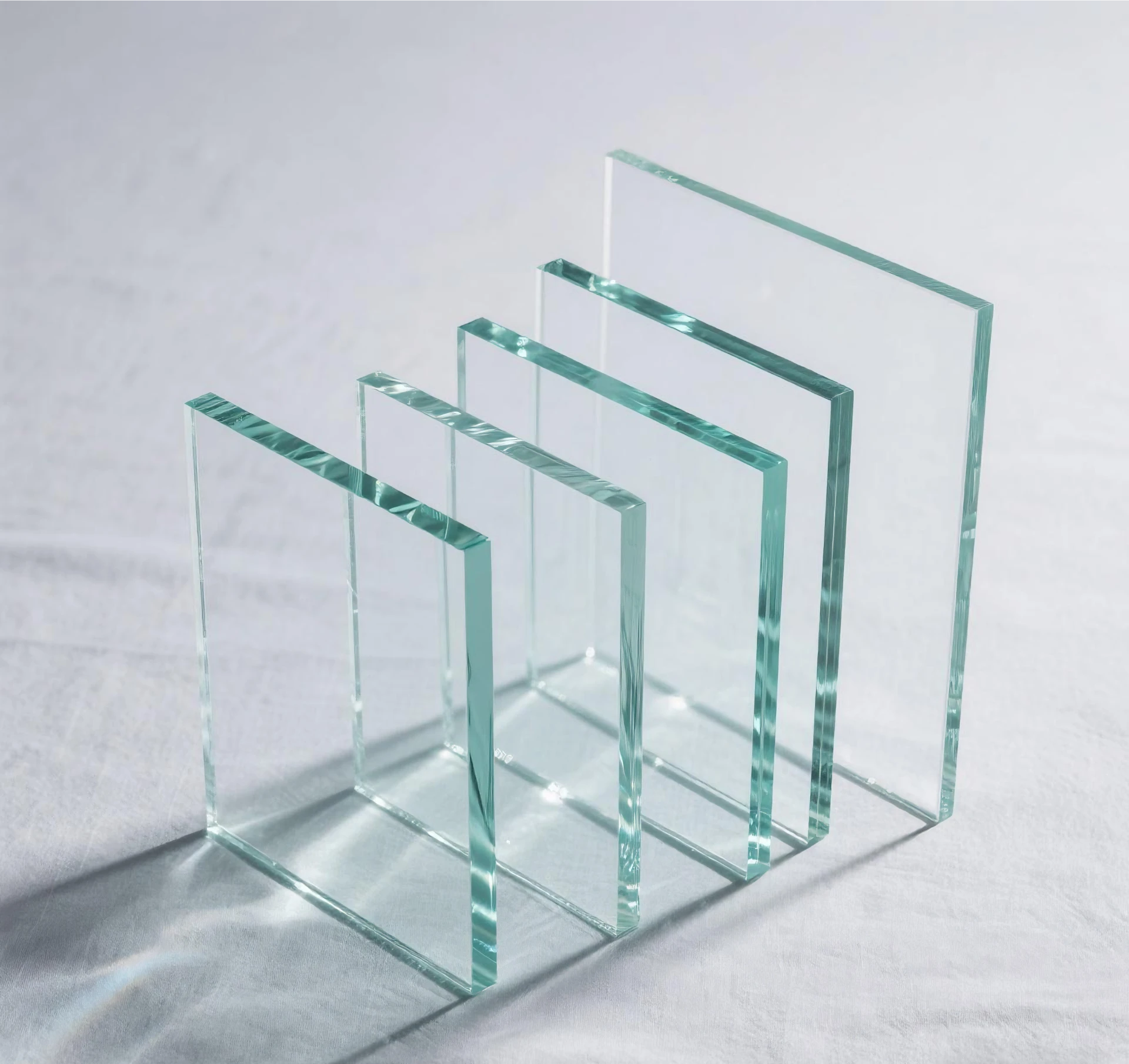
High-Performance low iron glass sheet Solutions for Cuba's Architecture

Engineering ultra-clear and energy-efficient glazing systems tailored for the Caribbean climate and North American construction standards.

High-Performance low iron glass sheet Solutions for Cuba's Architecture

Providing premium flat glass solutions including float glass and specialized coatings to meet the rigorous demands of Cuba's coastal and urban environments.

Current State of Glazing Industry in Cuba

Analyzing the intersection of tropical climate challenges and the demand for modern architectural glass.

Cuba's glass market is currently characterized by a critical need for heat-resistant and salt-corrosion-resistant materials due to its island geography. The prevalence of high humidity and intense solar radiation makes traditional float glass insufficient for modern energy-saving goals in Havana and Varadero.

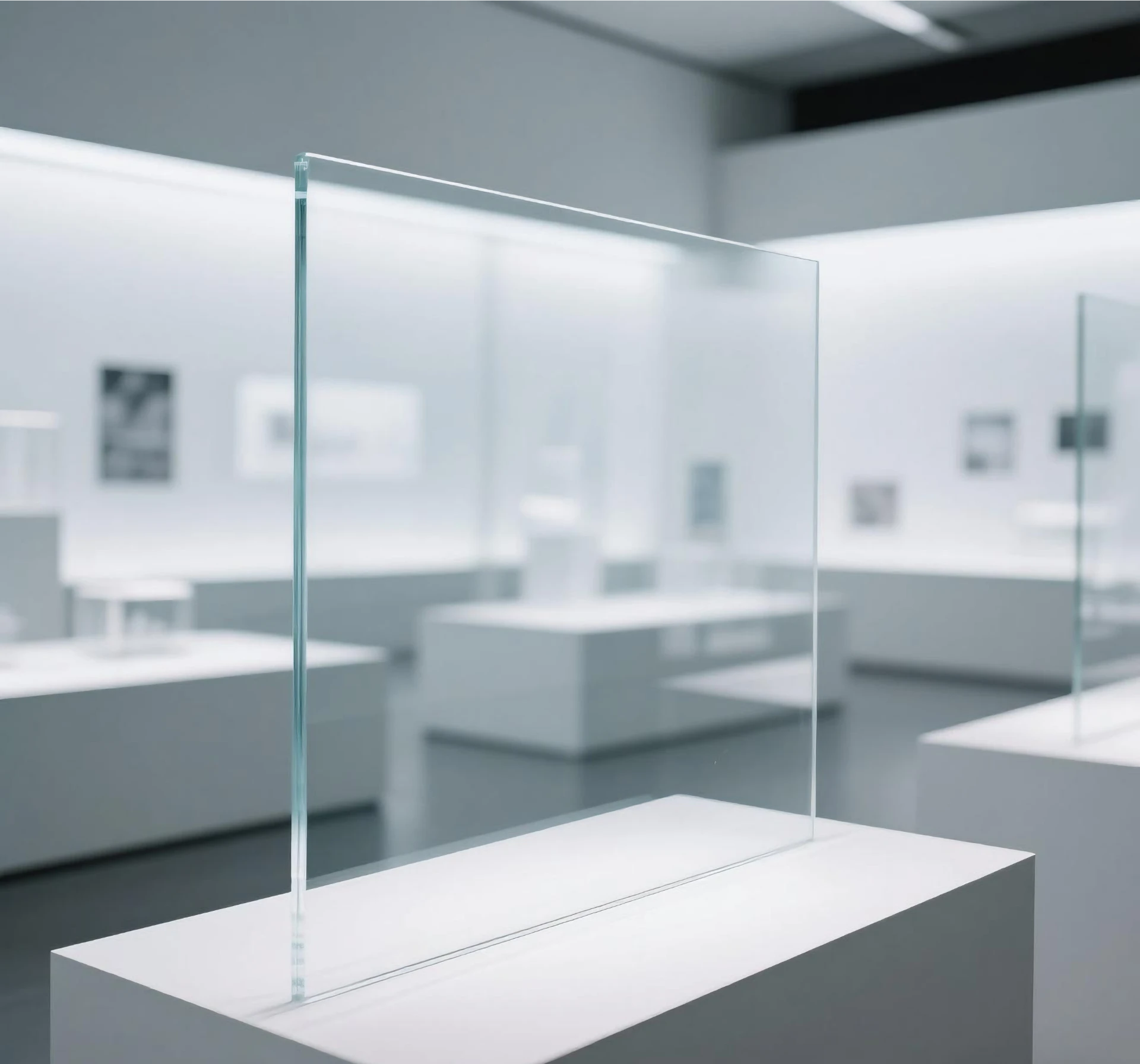
There is a growing shift toward high-transparency materials. The adoption of clear glass low iron is increasing in the luxury hospitality sector, where maximizing natural light without adding heat gain is essential for operational efficiency.

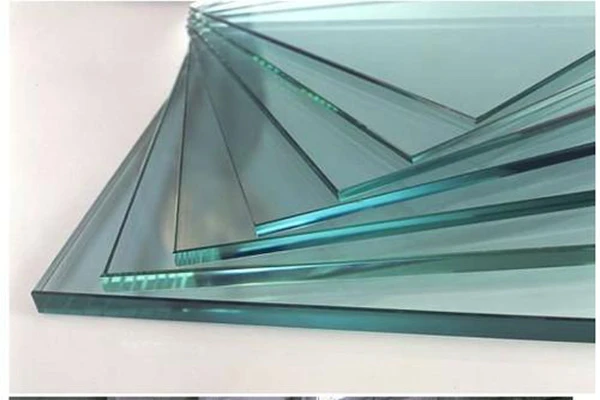
Furthermore, the aging infrastructure in urban centers is driving a replacement cycle. Developers are now seeking dual low e glass to reduce reliance on air conditioning, aligning with global trends toward sustainable building certifications in North America.
Evolution and Technological Trajectory of Flat Glass

From basic transparency to intelligent thermal management.

Market Development History

In the late 20th century, the Cuban market relied heavily on standard float processes, providing basic protection and lighting but offering little in terms of thermal insulation or UV filtration.

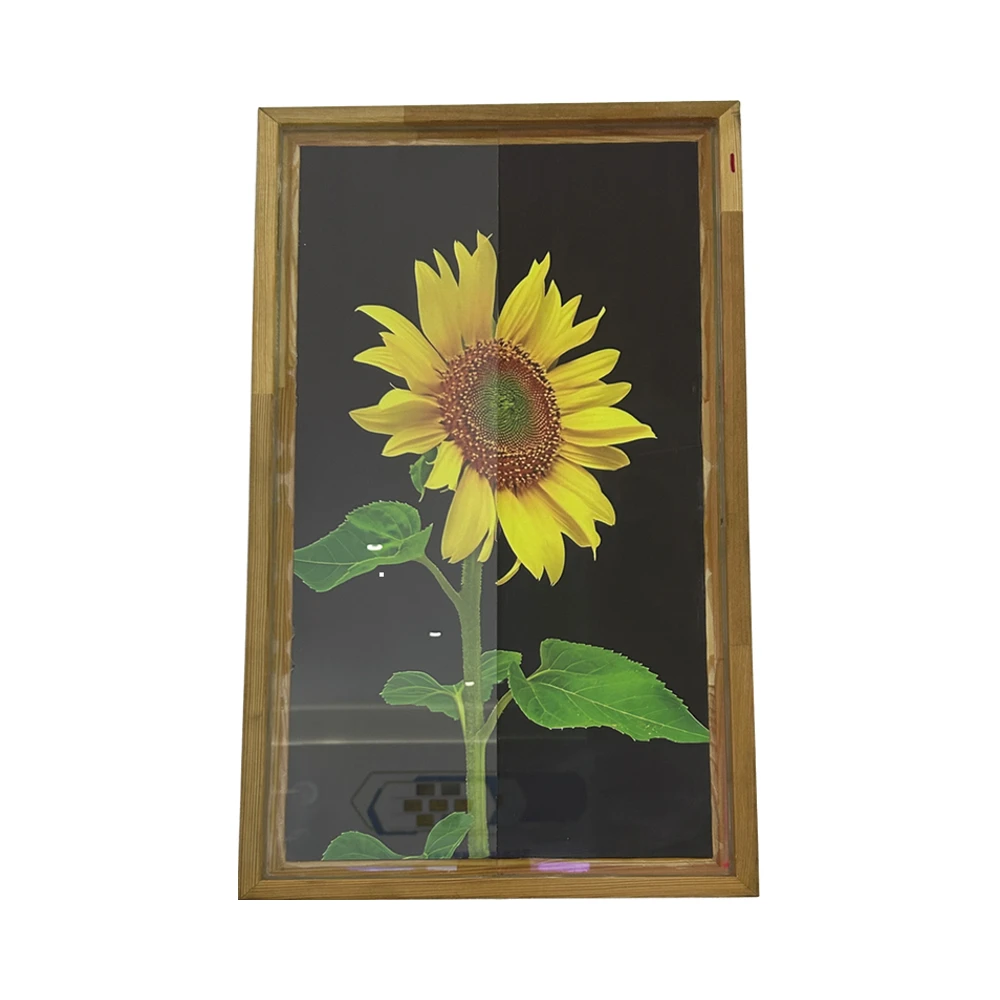
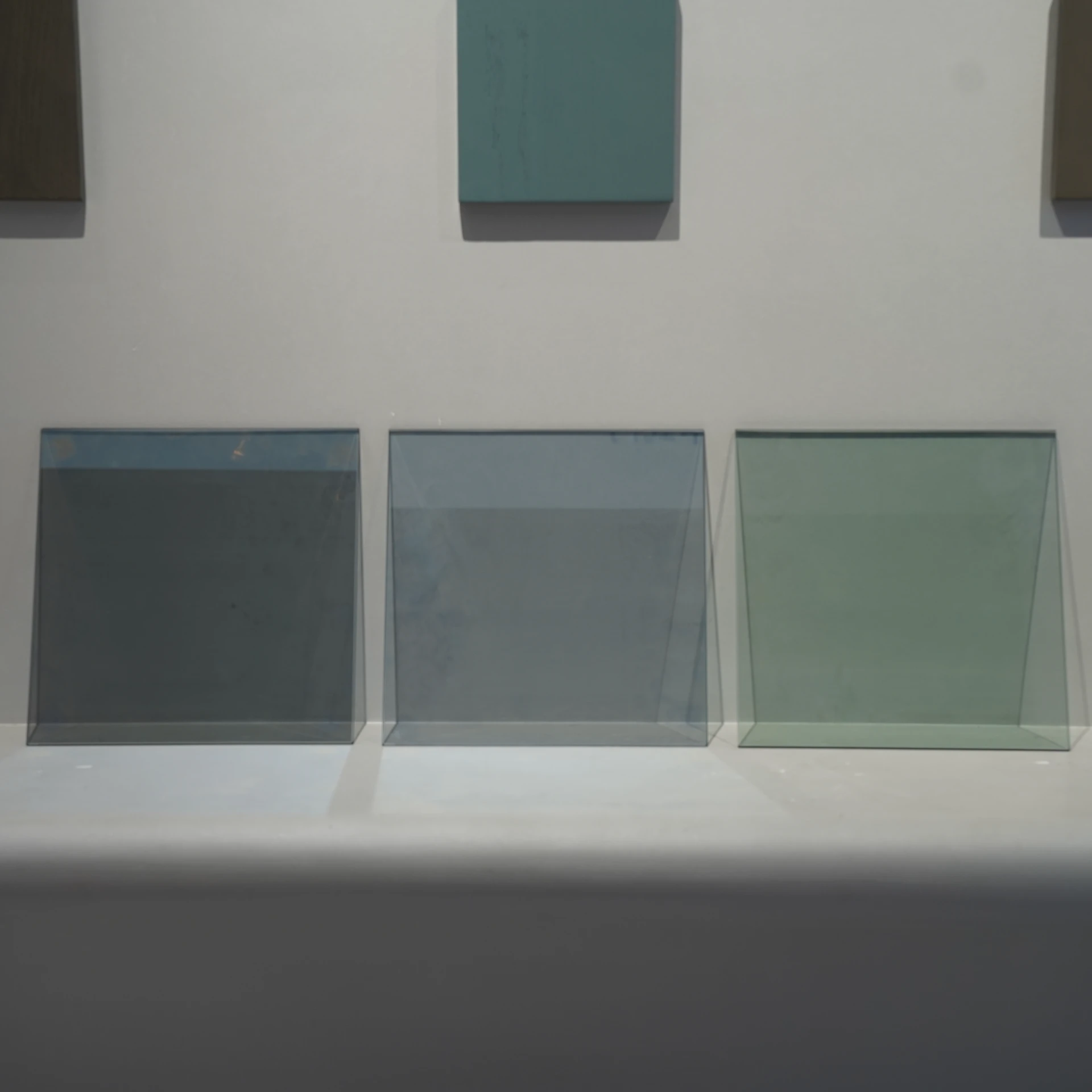
Between 2010 and 2020, the introduction of specialized coatings marked a turning point. The transition to white coated glass began to appear in commercial facades to improve privacy and light diffusion while maintaining a modern aesthetic.

Currently, the industry has entered the era of "Smart Glazing," where multi-layered coatings and low-iron compositions are standard for high-end projects, focusing on the balance between U-value and visible light transmission.

Future Development Trends

Adaptive Thermal Coatings

Expect a surge in dynamic Low-E coatings that adjust to the extreme temperature swings of the Caribbean, further optimizing energy consumption.

Ultra-Clear Structural Glass

The demand for low iron glass sheet will expand from decorative use to structural applications, enabling seamless "invisible" architectural boundaries.

Eco-Friendly Manufacturing

Integration of recycled cullet and carbon-neutral melting processes will become the primary procurement criteria for North American government contracts in Cuba.

Industry Trends and Future Outlook

Strategizing for the next generation of non-metallic mineral products.

Solar Heat Gain Reduction
Implementing advanced dual low e glass to drastically lower cooling costs in tropical climates.
Enhanced Visual Clarity
Transitioning to low-iron substrates for museum-grade transparency and color accuracy.
Coastal Durability
Developing specialized surface treatments to prevent salt-spray pitting and oxidation.
Sustainable Integration
Aligning glass production with LEED standards for the Caribbean's green building movement.

Industry Outlook

Based on Google search trends for "energy efficient windows" and "modern architecture" in the North American region, the Cuban market is poised for a significant upgrade in glazing specifications. The shift from basic float glass to high-value functional glass is no longer optional but a necessity for viability.

Over the next 3-5 years, we expect a convergence of aesthetics and utility, where the use of ultra-clear low iron glass combined with intelligent coatings will define the luxury skyline of Havana.

Localized Application Scenarios in Cuba

Real-world implementations of advanced glass technology in the Cuban landscape.

1. Luxury Resort Facades in Varadero

Utilizing dual low e glass to maintain cool interior temperatures while providing guests with unobstructed, crystal-clear views of the turquoise ocean.

2. Modern Office Hubs in Havana

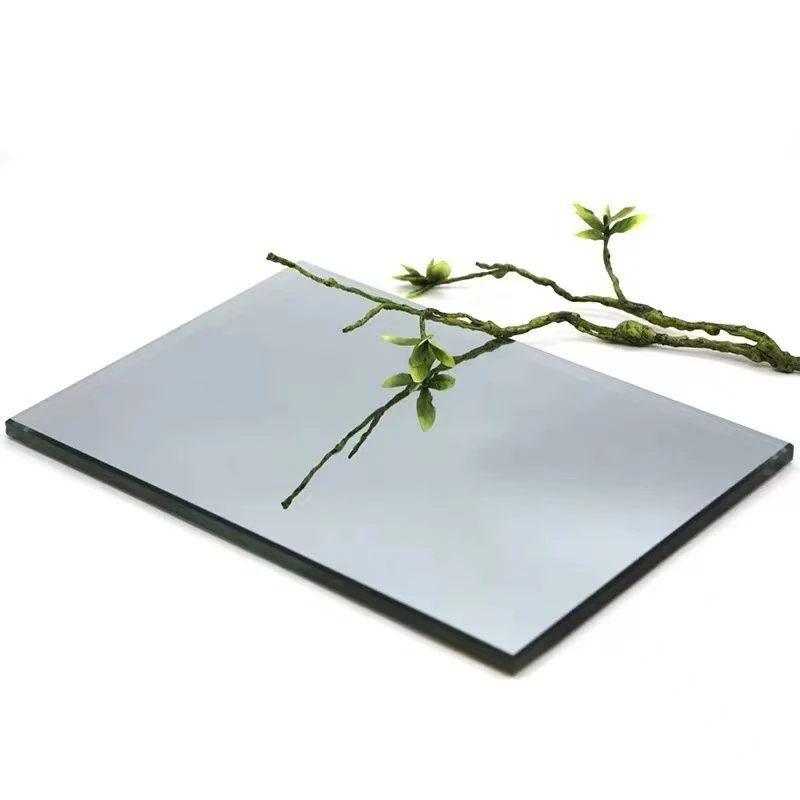
Application of white coated glass for internal partitions to balance natural light diffusion with the privacy required for corporate environments.

3. High-End Retail Storefronts

Implementing clear glass low iron to ensure that product colors are displayed with 100% accuracy, eliminating the green tint of standard glass.

4. Historic Building Restoration

Integrating slim-profile float glass into traditional frames, upgraded with invisible coatings to protect interiors from UV degradation.

5. Coastal Residential Villas

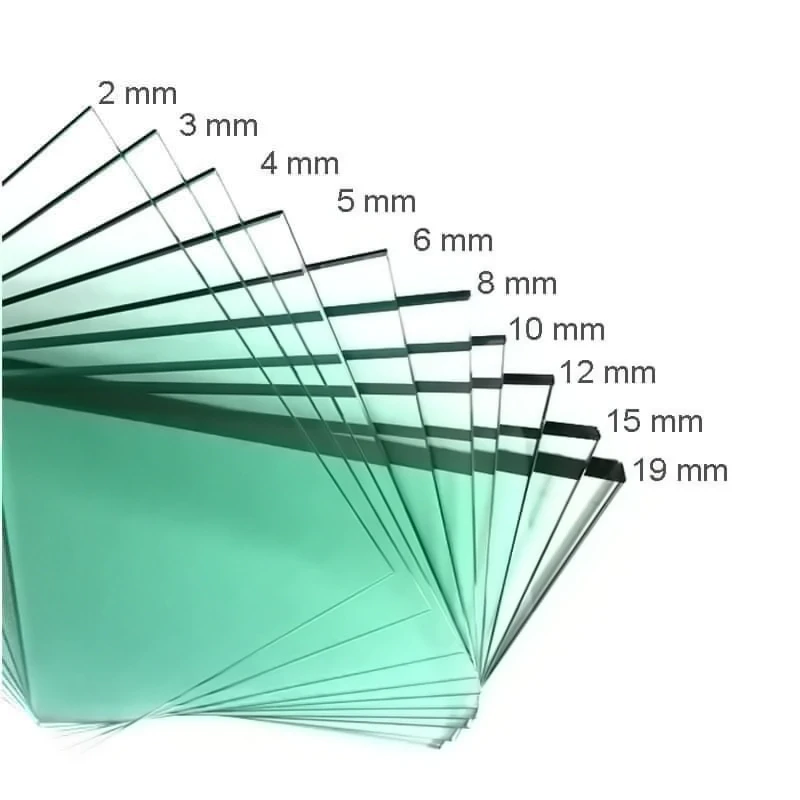
Deploying thickened low iron glass sheet as wind-resistant glazing to withstand hurricane-force winds while offering premium clarity.

Brand Story

Global Development Journey of Wangmei Industrial Group Co., Ltd.

Foundational Excellence

Established with a vision to redefine transparency, we started by mastering the core float process to serve basic industrial needs.

Technological Pivot

Recognizing the need for energy efficiency, we invested in Low-E coating technology, solving the pain point of heat gain in tropical regions.

The Low-Iron Breakthrough

We perfected the removal of iron impurities, creating ultra-clear sheets that became the gold standard for the architectural luxury market.

Global Expansion

Expanding our reach into North America and the Caribbean, adapting our products to meet diverse climatic and regulatory standards.

Sustainable Future

Today, we lead the industry in carbon-reducing glass manufacturing, ensuring a greener planet through smarter glazing.

Comprehensive Glass Portfolio for the Cuban Market

A curated selection of high-performance glazing solutions designed for North American tropical standards.

Common Questions Regarding Glazing in Cuba

Expert answers to the most frequent technical queries from our local partners.

What is the best alternative to standard float glass for heat reduction in Havana?

For maximum heat reduction, we recommend dual low e glass, which reflects infrared light while allowing visible light, significantly lowering indoor temperatures.

How does low iron glass sheet differ from regular clear glass in coastal areas?

A low iron glass sheet removes the iron oxide that causes the green tint, offering superior clarity and better light transmission, which is ideal for ocean-front properties.

Is white coated glass suitable for high-humidity environments?

Yes, our white coated glass is engineered with advanced adhesion technology to prevent delamination even in Cuba's high-humidity conditions.

Which glass is recommended for high-end retail displays to ensure color accuracy?

We strongly suggest clear glass low iron as it eliminates color distortion, ensuring that luxury goods are seen in their true hues.

Can dual low-e glass be used in existing window frames in Cuba?

Depending on the frame depth, dual low e glass (usually as part of an IGU) can often be retrofitted, though a technical survey is recommended.

How do I maintain the clarity of low iron glass in salty air?

Regular cleaning with non-abrasive solutions is key; however, specifying a protective surface coating during the manufacturing of your float glass can further reduce salt buildup.

Request a Technical Consultation

Our engineering team is ready to provide customized glazing specifications for your next project in Cuba.

Contact Us Now

If you are interested in our products, you can choose to leave your information here, and we will be in touch with you shortly.