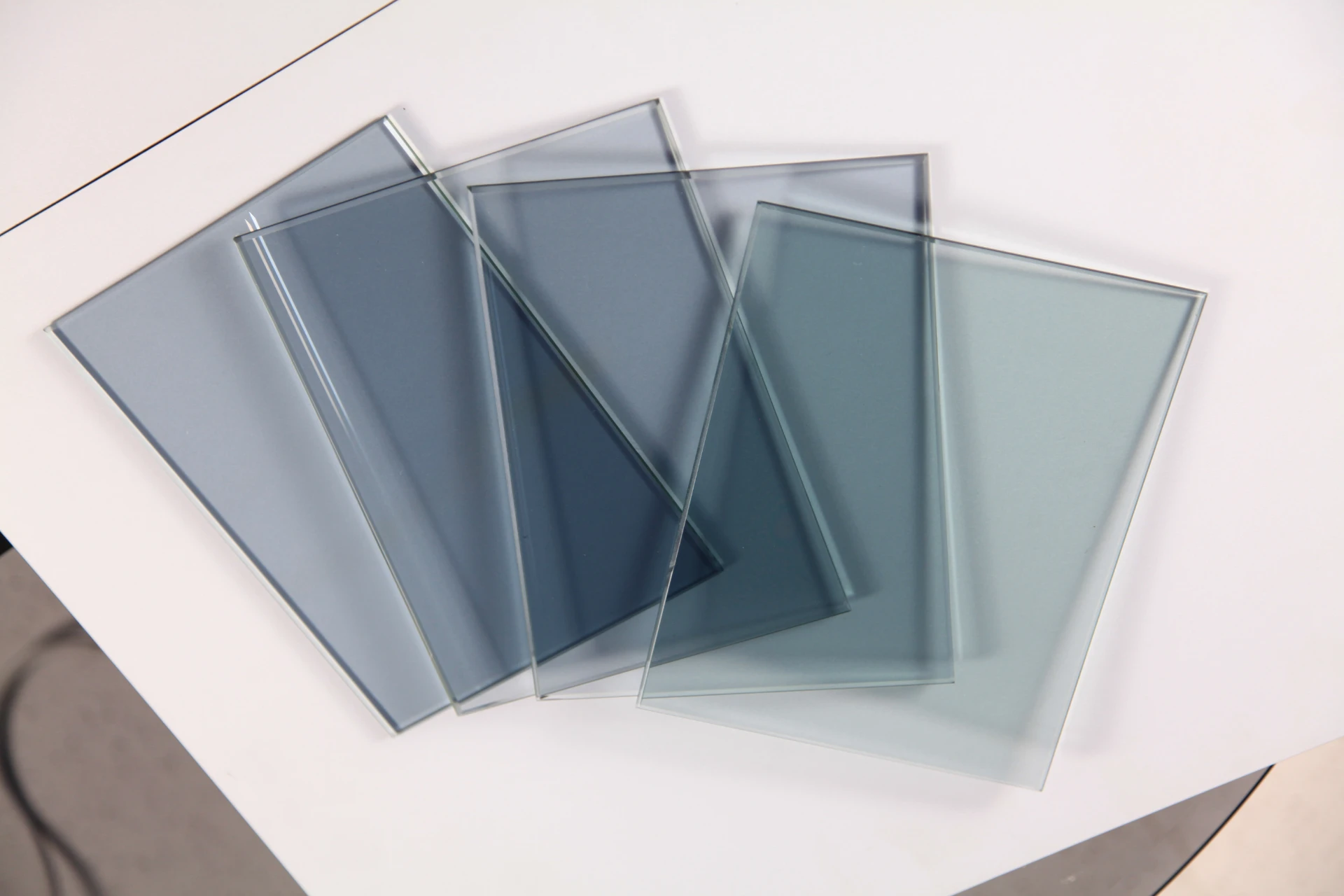
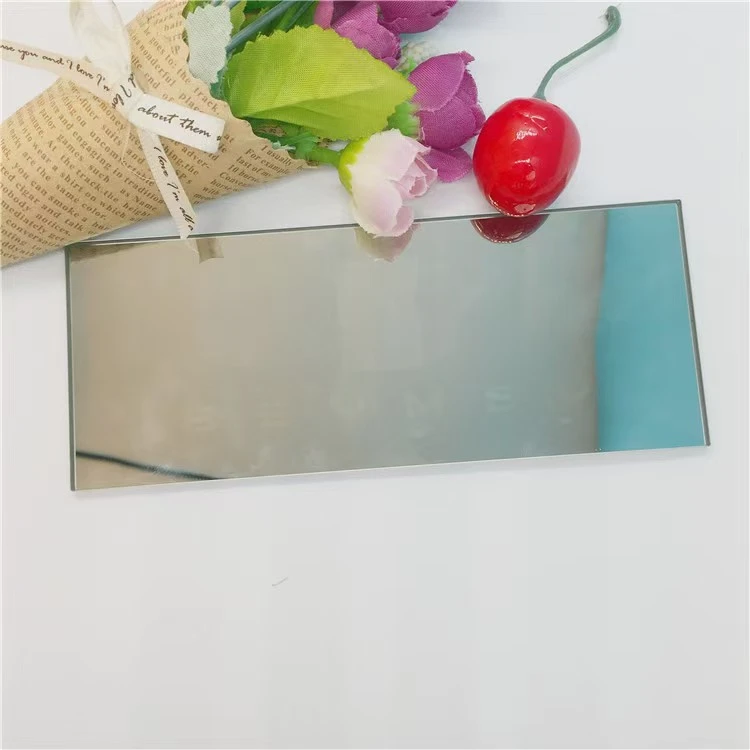
Premium low iron glass sheet Solutions for Kenya's Modern Architecture

Advancing Kenya's construction landscape with high-transparency, energy-efficient flat glass engineered for the East African climate.

Premium low iron glass sheet Solutions for Kenya's Modern Architecture

Providing the Kenyan market with specialized glass products that balance extreme solar radiation protection with unmatched optical clarity.

The State of Flat Glass Manufacturing in Kenya

Analyzing the intersection of rapid urbanization in Nairobi and the demand for high-performance glazing.

Kenya's construction sector is currently experiencing a surge in commercial high-rises and luxury residential projects. However, the local market has historically relied on standard float glass, which often lacks the thermal efficiency required to combat the intense equatorial sun of East Africa.

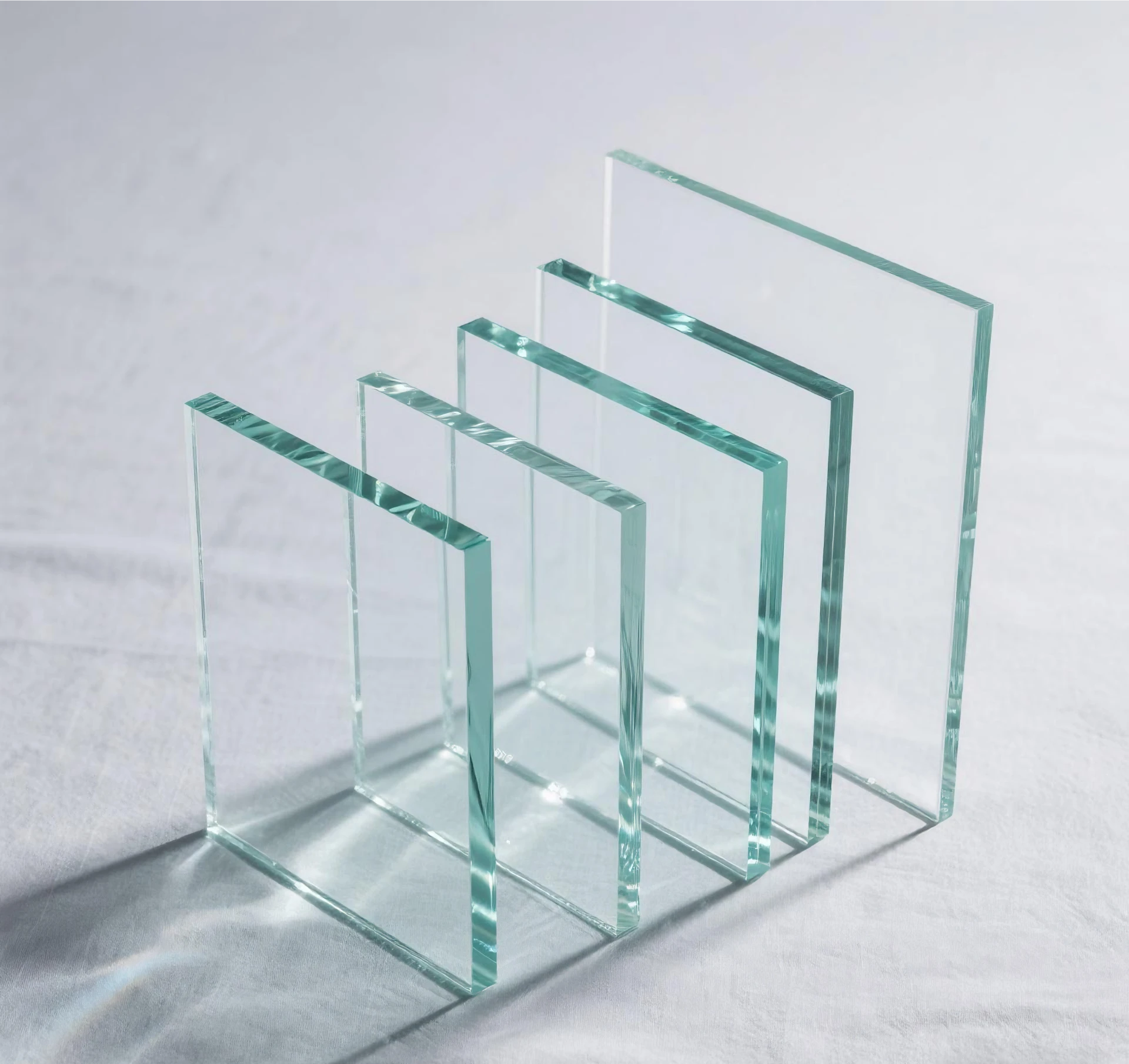
The environmental challenge in Kenya, characterized by high UV exposure and temperature fluctuations, has created a critical need for clear glass low iron. Standard glass often exhibits a green tint that distort colors, whereas low-iron alternatives provide the transparency needed for high-end showrooms and government buildings in Nairobi.

Economically, the shift toward "Green Building" certifications (such as EDGE or LEED) in Kenya is driving a transition from single-pane solutions to sophisticated dual low e glass, reducing reliance on expensive air conditioning systems and lowering the carbon footprint of new developments.
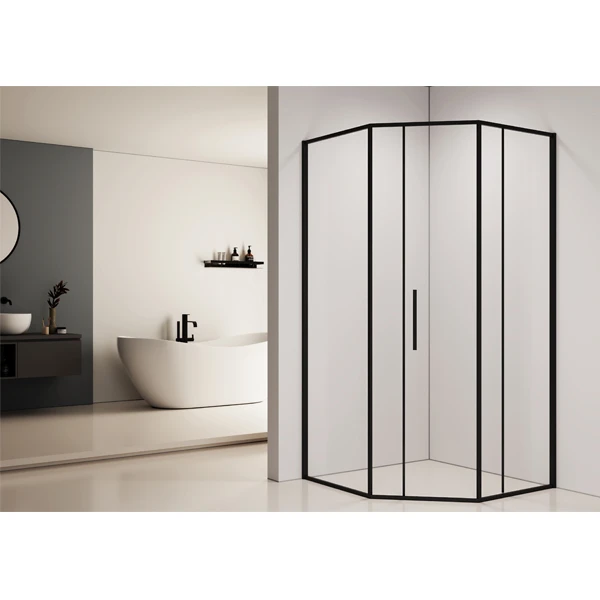
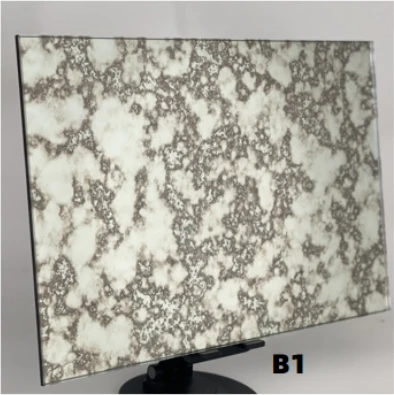
Evolution and Trajectory of Glazing Technology in East Africa

From basic protective barriers to intelligent thermal management systems.

Market Development History

Between 1990 and 2010, the Kenyan market was dominated by basic clear float glass, used primarily for simple window frames and basic partitioning. The focus was on durability and cost rather than energy performance.

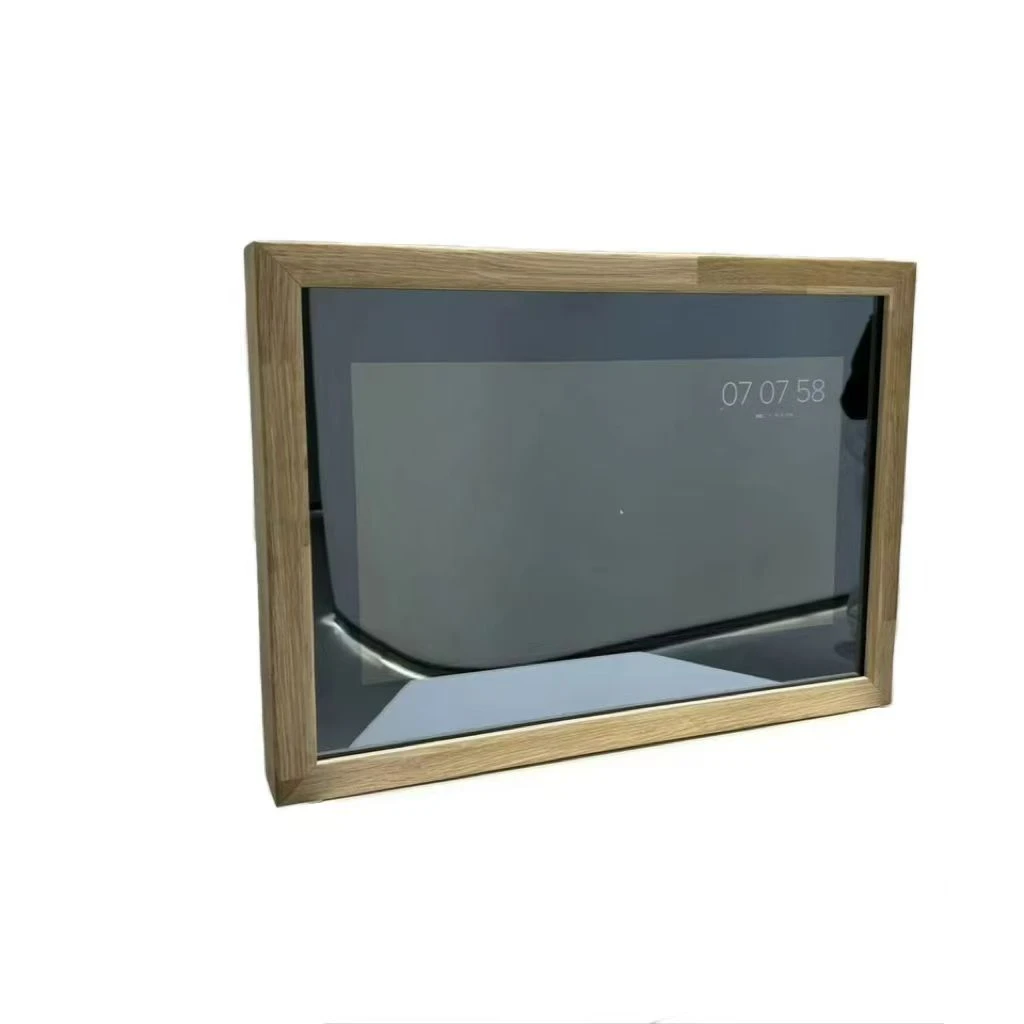
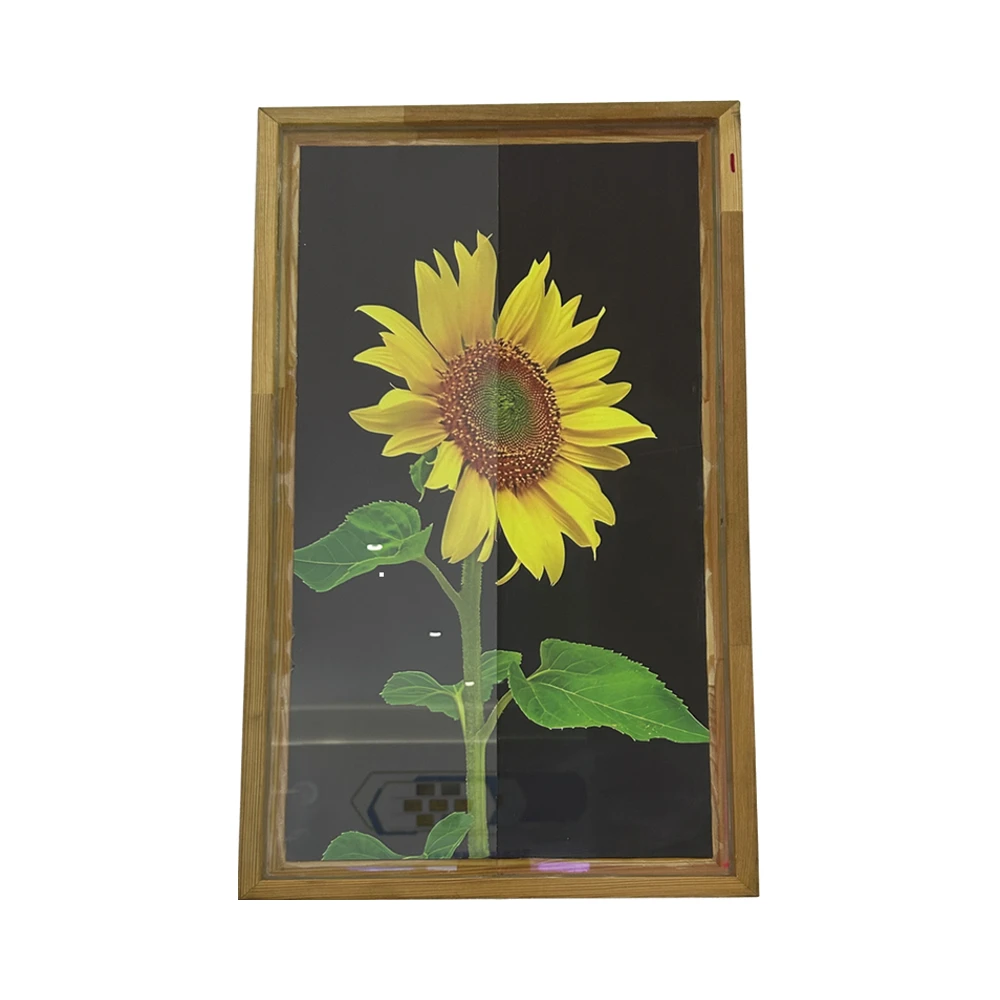
From 2011 to 2020, the "Modernist Wave" hit Nairobi and Mombasa. Architects began demanding white coated glass to achieve a sleek, minimalist aesthetic while providing a baseline of solar reflection for tropical climates.

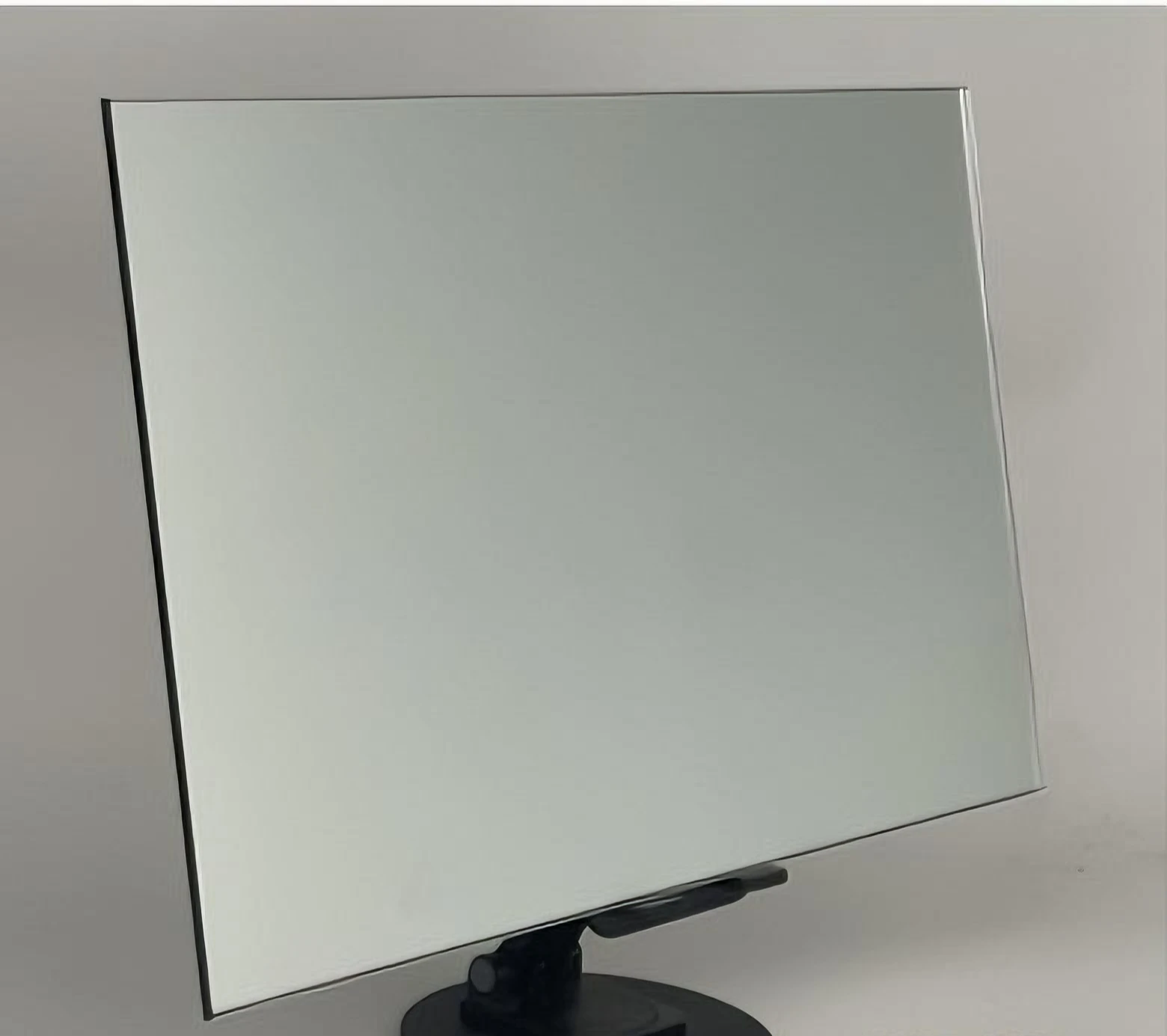
Since 2021, the focus has shifted toward "Passive House" principles. The integration of silver-based coatings has made high-performance insulating glass the new standard for corporate headquarters in the Upper Hill and Westlands districts.

Future Development Trends

Dynamic Solar Control

The next 3 years will see a rise in electrochromic and smart-tinting glass that adjusts transparency based on the intensity of the Kenyan sun.

Ultra-High Transparency Standards

Increasing demand for museum-grade low iron glass sheet for luxury retail and heritage preservation projects in Kenya.

Sustainable Closed-Loop Manufacturing

A trend toward utilizing recycled cullet in float glass production to align with Kenya's Vision 2030 sustainability goals.

Future Trends and Strategic Outlook for Kenyan Glass

Predicting the technological shift in flat glass applications through 2028.

Thermal Efficiency Surge
Accelerated adoption of dual low e glass to minimize HVAC energy consumption in Nairobi's commercial hubs.
Optical Purity Demand
Shift towards clear glass low iron for high-end residential balconies and structural glazing.
Coating Specialization
Expansion of white coated glass applications for reflective facade systems in coastal Mombasa.
Sustainable Sourcing
Integration of low-carbon float glass production methods to meet Kenyan environmental regulations.

Industry Outlook

Based on Google search trends for "energy-saving glass" in East Africa, we expect a 25% increase in demand for dual-layered coatings. The market is shifting from simple aesthetics to quantifiable thermal performance.

The future of the Kenyan glass industry lies in the hybridization of clarity and function—where the visual purity of low-iron glass meets the thermal protection of advanced Low-E coatings.

Localized Applications in Kenya

Practical implementations of high-performance glass across diverse Kenyan sectors.

01. Nairobi Corporate Skyscrapers

Implementing dual low e glass in CBD high-rises to reduce interior heat gain while maintaining panoramic views of the city skyline.

02. Luxury Coastal Villas in Mombasa

Using white coated glass to reflect intense seaside sunlight and prevent furniture fading in luxury beachfront properties.

03. High-End Retail Showrooms

Utilizing clear glass low iron for boutique displays in Westlands, ensuring products are seen without the green distortion of standard glass.

04. Government Infrastructure

Applying high-strength float glass for institutional partitions and secure facades in government administrative buildings.

05. Modern Residential Sunrooms

Integrating low iron glass sheet for greenhouse-style residential extensions that maximize natural light while filtering UV rays.

Brand Story

Global Development History of Wangmei Industrial Group Co., Ltd.

Foundational Excellence

Established with a mission to solve the fragility and impurity issues of traditional flat glass through rigorous material science.

Technological Breakthrough

Developed proprietary low-iron smelting processes to eliminate the characteristic green tint, setting new global standards for clarity.

Global Market Expansion

Extended operations into the African market, specifically tailoring product thermal coefficients for equatorial climates like Kenya.

Sustainability Integration

Launched the Green-Glass initiative, focusing on recyclable coatings and energy-efficient manufacturing to combat global warming.

The Future Vision

Striving to be the primary partner for smart-city architecture globally, providing the "invisible" shield of high-performance glass.

Comprehensive Glass Portfolio for Kenya

A curated selection of non-metallic mineral products engineered for Kenyan architectural demands.

Kenya Glass Industry FAQs

Expert answers to common technical questions from Kenyan developers and architects.

What is the main advantage of using low iron glass sheet in Nairobi's sunlight?

Low iron glass eliminates the greenish tint found in standard float glass, allowing more natural light to enter buildings without distorting the colors of the interior design, which is ideal for high-end Nairobi properties.

How does dual low e glass reduce electricity costs in Kenyan offices?

Dual low e glass features two layers of low-emissivity coatings that reflect heat back to its source. In Kenya, this means reflecting solar heat outwards during the day, significantly reducing the load on air conditioning systems.

Is white coated glass suitable for the humid climate of Mombasa?

Yes, white coated glass is excellent for coastal regions as it provides high solar reflectance and is engineered to withstand high humidity and salinity, preventing surface degradation over time.

Can clear glass low iron be tempered for safety in public spaces?

Absolutely. Our low iron glass can undergo rigorous tempering and laminating processes to meet international safety standards, making it perfect for railings and storefronts in busy Kenyan urban areas.

How does float glass compare to specialized coated glass for energy efficiency?

Standard float glass provides basic transparency but little thermal protection. Coated glasses, such as Low-E or white coated versions, are specifically designed to manage heat transfer, which is crucial for Kenya's climate.

What is the typical lifespan of dual low e glass in tropical environments?

When properly installed, high-quality dual low e glass can last 20-30 years. The coatings are hermetically sealed within the IGUs to prevent oxidation from the humid African air.

Consult Our Kenyan Project Specialists

Get a tailored glass specification for your next architectural project in Kenya. Our experts are ready to help you optimize for thermal efficiency and clarity.

Contact Us Now

If you are interested in our products, you can choose to leave your information here, and we will be in touch with you shortly.