31 Mar 2026
An oval antique silver mirror is more than just a reflective surface; it's a statement piece, a historical artifact, and a touch of elegance for any interior. Choosing the right one requires careful consideration of its age, condition, and the story it tells. This guide will delve into the world of these beautiful mirrors, exploring their characteristics, value, and how to find the perfect piece for your home. We'll cover everything from identifying genuine antiques to understanding the different styles and finishes available.
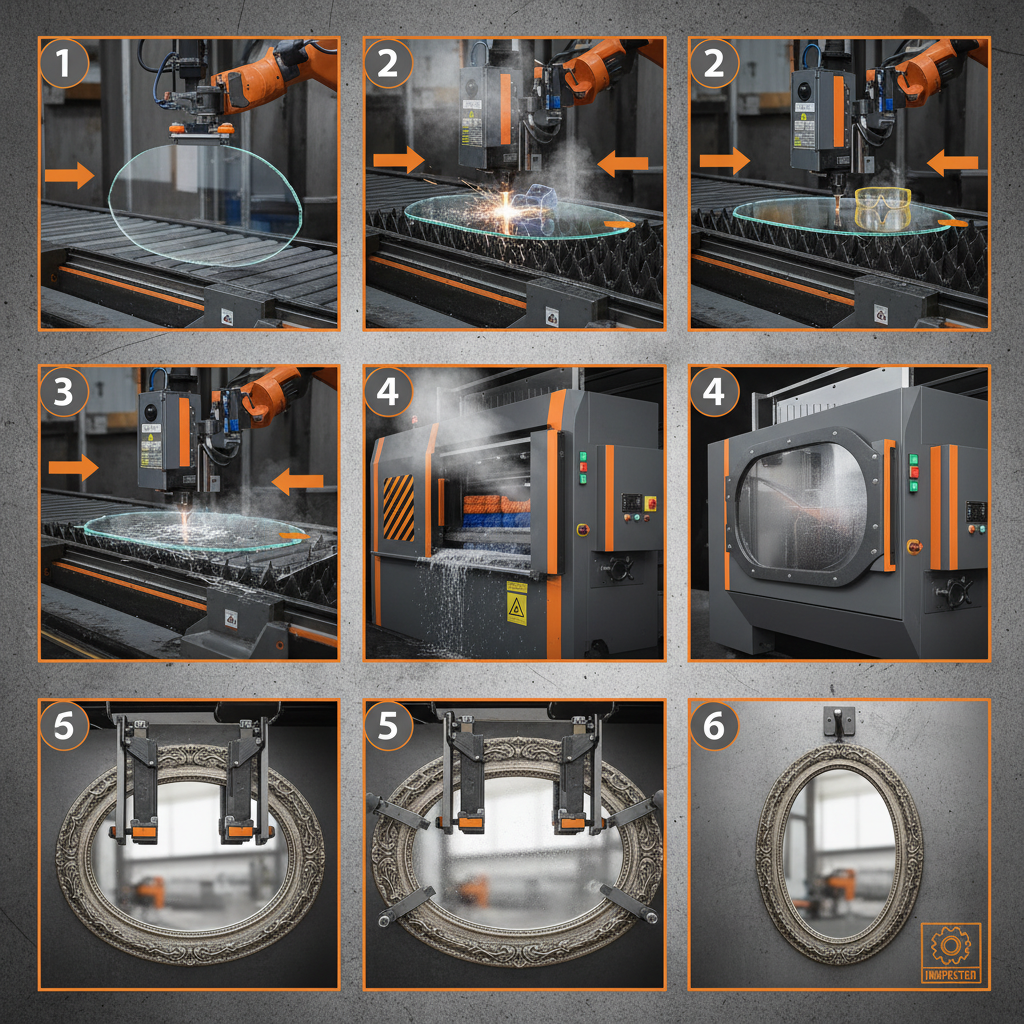
The oval shape itself has a long history, often associated with femininity and grace. When combined with the rich patina of antique silver, it creates a captivating aesthetic. Antique silver mirrors, unlike their modern counterparts, often feature unique imperfections in the silvering, lending them a distinct character. These aren't flaws, but rather evidence of their age and the hand-craftsmanship involved in their creation. The ornate frames, often embellished with intricate carvings or floral motifs, further enhance their appeal. An antique silver mirror can instantly elevate a room, adding a sense of history and sophistication.
Key Benefits: Adds a touch of elegance, becomes a focal point, reflects light, enhances interior design, and offers a unique conversation starter.
Determining whether a mirror is truly an antique can be challenging. Several factors come into play. First, examine the back of the mirror. Antique mirrors often have a layer of applied silver, which can show signs of age like foxing (small dark spots) or slight discoloration. Modern mirrors typically have a silver coating applied through a chemical process, which appears more uniform. Next, inspect the frame. Look for signs of wear consistent with age, such as minor scratches, dents, or repairs. Genuine antique frames are often made of wood or gesso, and may show evidence of hand-carving. A reputable dealer, like Wangmei Glass, can provide a certificate of authenticity.
Key Indicators of Authenticity:
• Foxing or discoloration on the silvering
• Signs of wear on the frame consistent with age
• Wood or gesso frame material
• Hand-carved details
Antique oval silver mirrors span several stylistic periods, each with its own distinct characteristics. Victorian mirrors (1837-1901) are known for their ornate frames, often featuring elaborate carvings of flowers, leaves, and scrolls. Art Nouveau mirrors (1890-1910) embrace flowing lines and organic motifs, inspired by nature. Art Deco mirrors (1920s-1930s) showcase geometric patterns and streamlined designs. Understanding these styles can help you identify the age and origin of a mirror, and choose a piece that complements your existing décor.
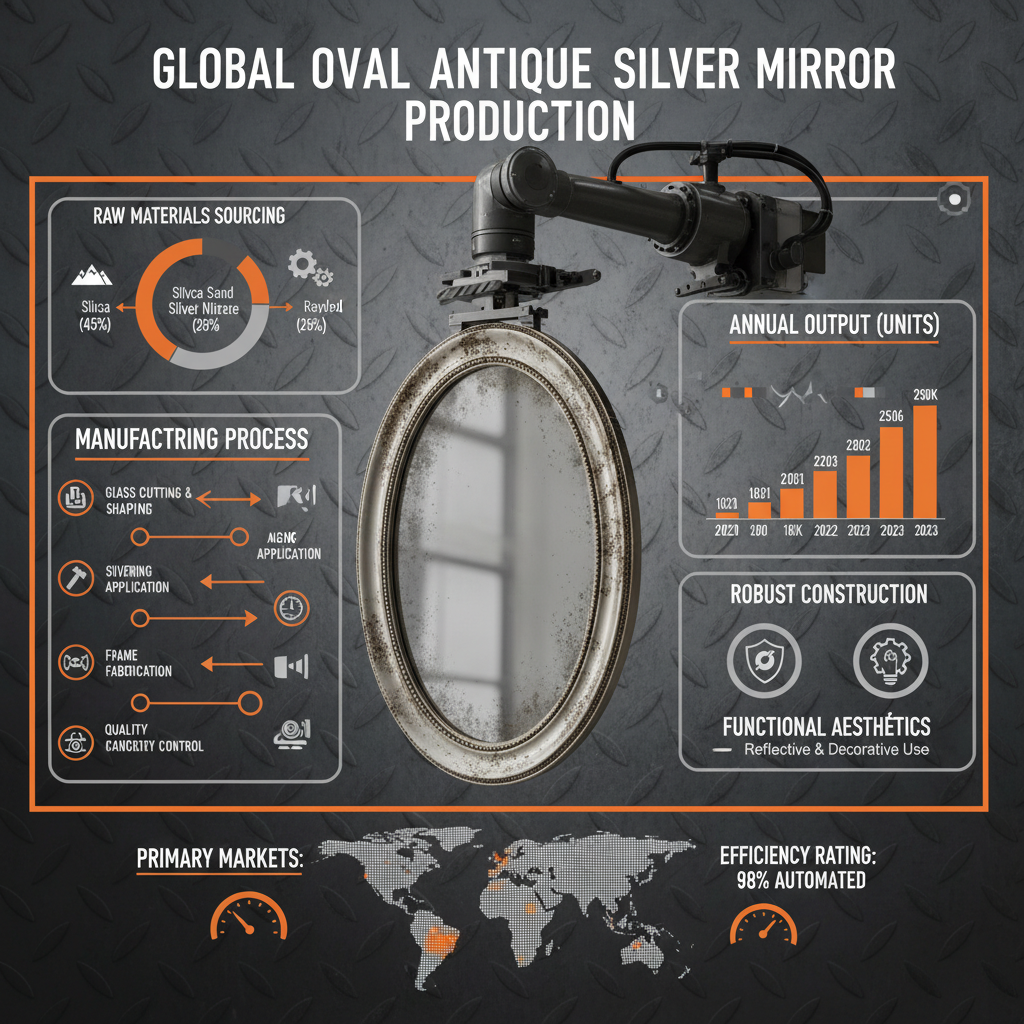
Maintaining the beauty of your antique silver mirror requires gentle care. Avoid using abrasive cleaners, as they can damage the silvering. Instead, use a soft cloth dampened with warm water and a mild soap. Dry the mirror thoroughly with a clean, dry cloth. Regular dusting will help prevent tarnish buildup. For more stubborn tarnish, consider using a specialized silver polish, but test it in an inconspicuous area first. Proper care will ensure your antique mirror remains a cherished heirloom for generations to come.
An oval antique silver mirror is more than just a decorative item; it's a window into the past. By understanding its history, characteristics, and care requirements, you can select a piece that will bring beauty and sophistication to your home for years to come. Explore the exquisite collection at Wangmei Glass and discover the perfect mirror to reflect your style.
Foxing is a common occurrence in antique silver mirrors. It's caused by a chemical reaction between the silver and atmospheric pollutants, particularly sulfur compounds. These pollutants penetrate the silver layer over time, creating small, dark spots. While foxing can be visually noticeable, it doesn’t necessarily diminish the structural integrity of the mirror. In fact, many collectors consider it a sign of authenticity and age. Preventing foxing is difficult, but storing the mirror in a dry, well-ventilated area can help slow down the process.
The price of an oval antique silver mirror varies widely depending on its age, condition, style, and rarity. Smaller, less ornate mirrors in fair condition might start around $200-$500. Larger, well-preserved mirrors from renowned periods like Victorian or Art Nouveau can easily fetch prices ranging from $1,000 to $5,000 or more. Exceptional pieces with unique features or historical significance could even exceed these estimates. It’s always best to consult with an antique expert or reputable dealer, like Wangmei Glass, to determine a fair market value.
Absolutely. Avoid using abrasive cleaners, ammonia-based products, or harsh chemicals like bleach. These can strip the silvering and damage the frame. Steer clear of scouring pads or harsh scrubbing brushes, as they can scratch the surface. Instead, opt for a soft, lint-free cloth dampened with warm water and a mild, pH-neutral soap. Always test any cleaning product in an inconspicuous area first to ensure it doesn't cause damage.