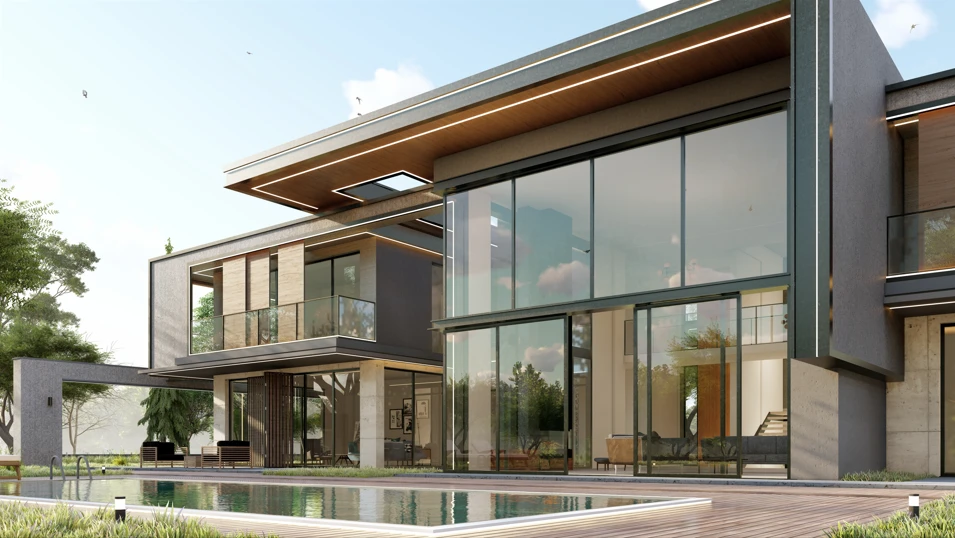
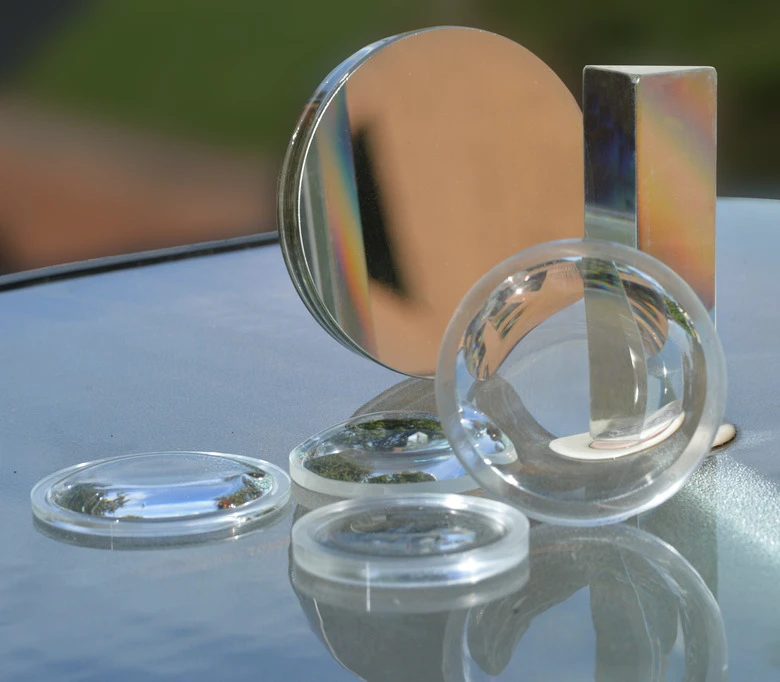
In today's architectural landscape, glass has evolved far beyond its traditional role as a mere transparent barrier. Modern coated and decorative glass solutions now serve as dynamic, multifunctional elements that redefine how buildings interact with their environments. These advanced glass technologies seamlessly merge performance with aesthetics, offering architects and designers unprecedented creative freedom while addressing critical needs such as energy efficiency, safety, and visual impact. From shimmering curtain walls that regulate indoor temperatures to decorative partitions that transform interior spaces into works of art, contemporary glass applications demonstrate how material innovation can elevate both form and function.
The integration of specialized coatings and surface treatments enables glass to actively respond to environmental challenges - reflecting harsh sunlight, retaining valuable heat, or creating striking visual effects that enhance a building's identity. As sustainability becomes increasingly paramount in construction, these glass solutions also contribute significantly to green building initiatives, reducing energy consumption while maintaining occupant comfort. This transformative approach to glass applications represents a fundamental shift in architectural thinking, where every pane serves not just as a window, but as a smart, adaptive component of the built environment.
Coated Glass
- Energy-saving Doors, Windows & Curtain Walls: Low-E coated glass is used in high-rise buildings to retain indoor heat in winter and block solar radiation in summer; sunlight-control coated glass (e.g., heat-reflective glass) reduces glare and indoor temperature rise.
- Decorative Curtain Walls: Mirror glass with metal coatings creates modern facades, while colored coatings achieve architectural aesthetic designs (e.g., the bronze effect of the glass curtain wall at the Palace Museum).
Mirror Glass
- Modern buildings use mirror glass to create a glass box appearance (e.g., office buildings, commercial complexes), enhancing three-dimensionality by reflecting the surrounding environment.
- Some buildings in the Palace Museum adopt bronze mirror glass, preserving traditional texture while integrating modern technology.
Decorative Glass
- Curtain Wall Decoration: Glazed glass (printed patterns) and perforated glass curtain walls are used in office buildings and commercial complexes to achieve personalized appearance design.
- Lighting Roof: Laminated decorative glass is used for the lighting roofs of shopping malls and hotels, which has both safety and artistic effects (such as color gradient glass).
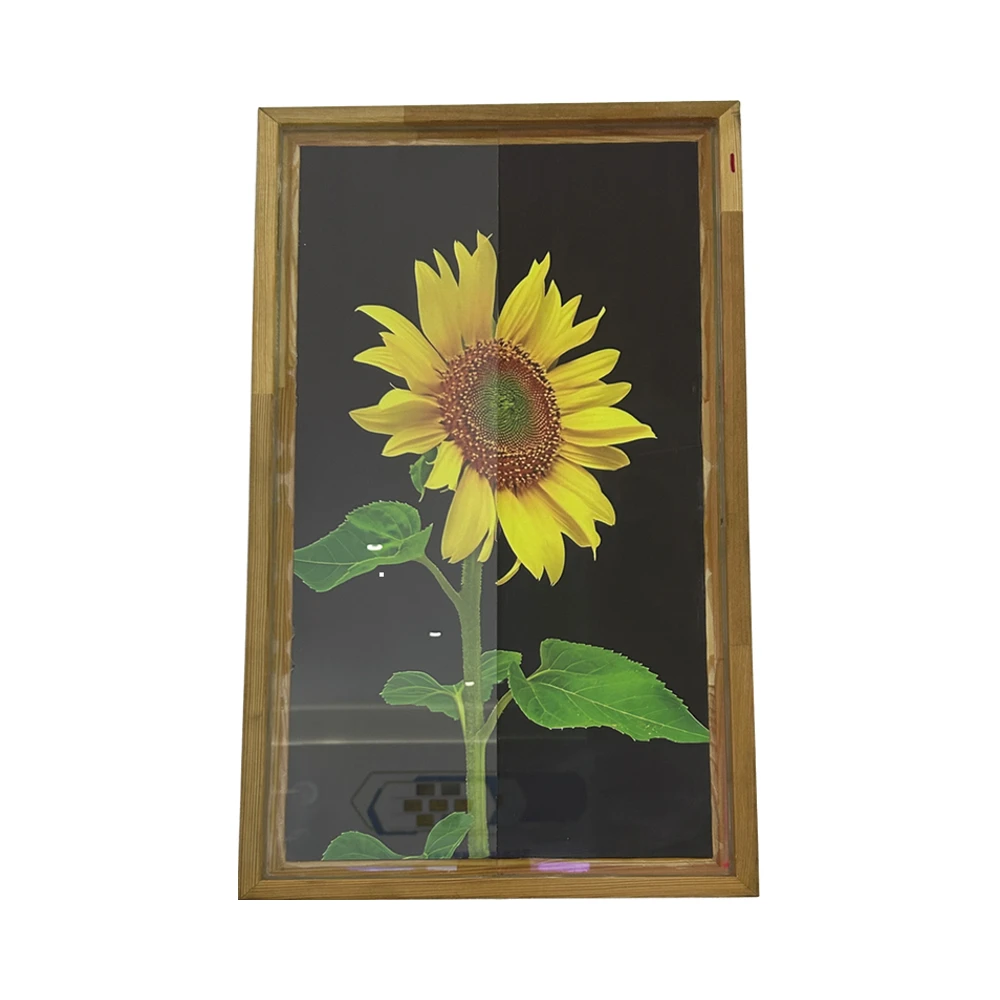
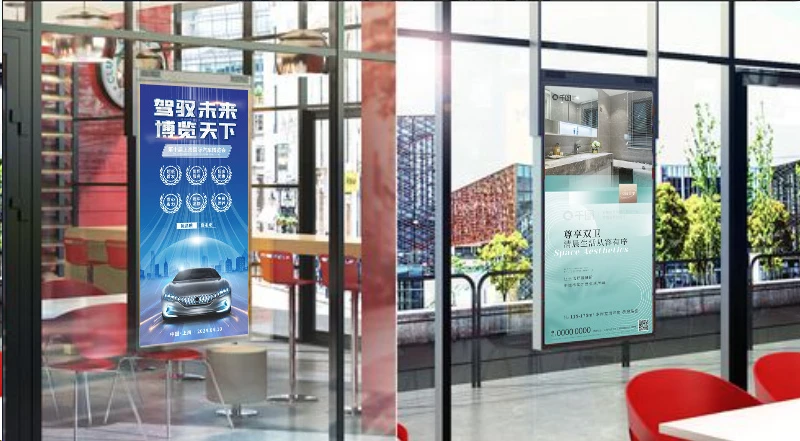
- Store Windows: Gradient coated glass (such as blue-gray, gold) enhances the recognition of the store and attracts customers; dimming glass is used for privacy control in the display area.
- Office Design: Frosted + painted glass partitions divide functional areas while maintaining space transparency.
Shower Enclosures
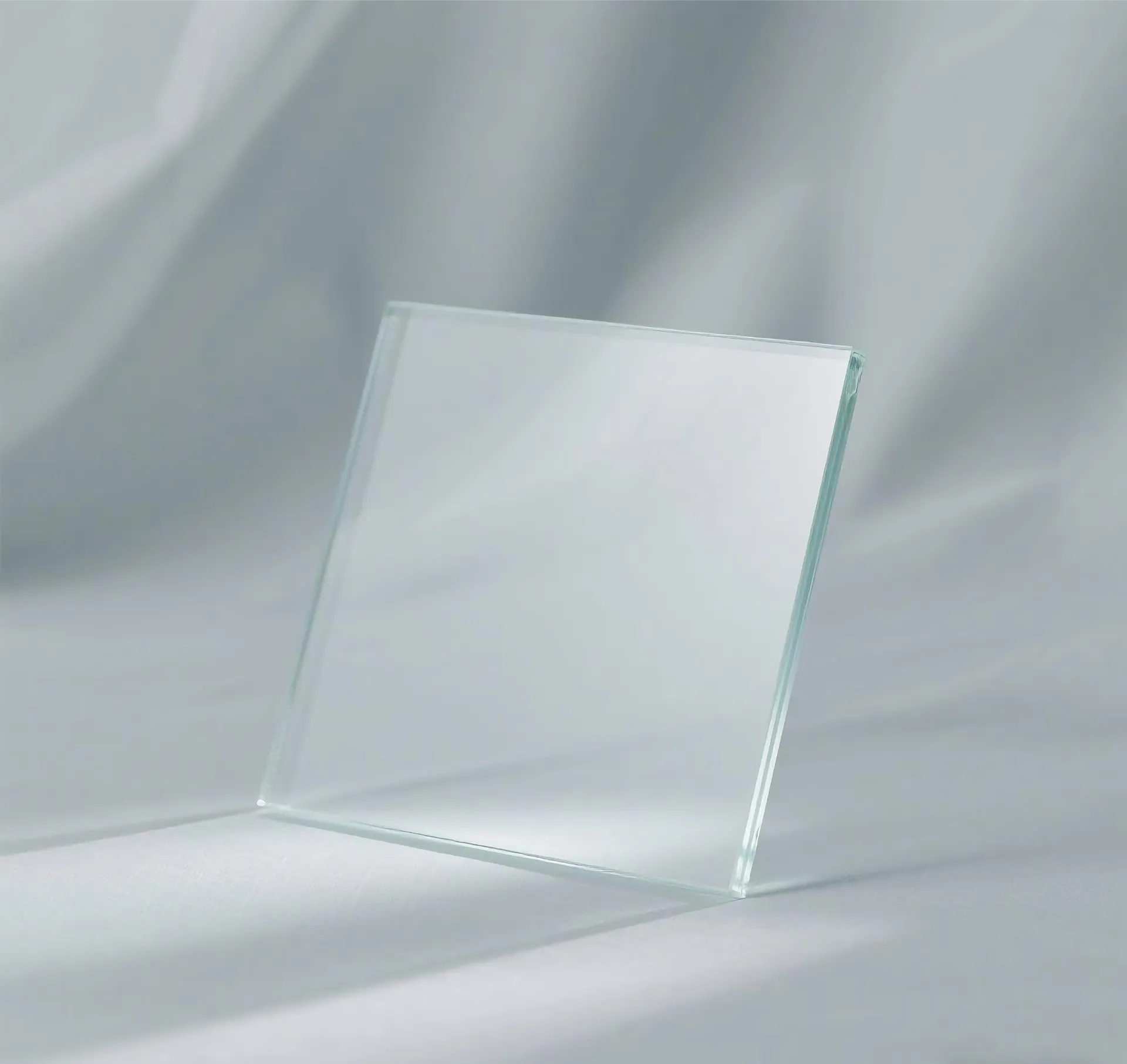
- Star-rated Hotels: Adopt ultra-clear glass with coating technology to enhance light transmission and prevent UV aging.
- Gyms/Public Bathrooms: Prefabricated shower enclosures (e.g., ABS base + tempered glass) facilitate quick installation and maintenance.
Doors & Windows
- Commercial Buildings: Such as office buildings, shopping malls, hotels, etc., meeting the requirements for lighting and ventilation while enhancing the modern sense of the building's appearance.
The remarkable versatility of modern glass solutions continues to push the boundaries of architectural possibility, proving that this ancient material remains at the forefront of design innovation. As we look to the future, the role of coated and decorative glass will only expand, driven by advancements in material science and growing demands for sustainable, human-centric spaces. These glass technologies do more than simply meet functional requirements - they create environments that inspire, protect, and adapt to our changing world. From energy-efficient commercial towers that gleam against city skylines to intimate interior spaces that balance privacy with natural light, glass has become the medium through which we shape more responsive and meaningful architecture.
The true value of these applications lies in their ability to simultaneously address practical challenges while elevating the aesthetic experience of built spaces. As architects and developers increasingly recognize glass as a strategic design element rather than just a construction material, we can expect to see even more groundbreaking applications that redefine our relationship with the spaces we inhabit. In this evolving architectural narrative, glass stands not as a passive component, but as an active participant in creating better, more beautiful built environments.