Glass has become an indispensable element in modern architecture and interior design, seamlessly blending functionality with aesthetics to create spaces that are both beautiful and efficient. As a fundamental building material, glass transforms structures by enhancing natural light, improving energy efficiency, and ensuring safety without compromising design versatility. From towering skyscrapers to intimate residential interiors, the right glass solutions can elevate a project’s performance, sustainability, and visual appeal.
Whether it’s the clarity and durability of float glass for curtain walls, the impact resistance of tempered glass for high-rise windows, or the acoustic and thermal benefits of laminated and insulated glass, each type serves a unique purpose in meeting architectural demands. Beyond structural applications, decorative glass adds artistic value, turning functional elements like partitions, railings, and furniture into design statements. At the heart of these innovations lies advanced glass technology—engineered to withstand extreme weather, reduce energy consumption, and comply with stringent safety standards. As urban landscapes evolve, the role of glass continues to expand, offering architects and designers endless possibilities to redefine spaces.
Float Glass
- Doors, Windows and Curtain Walls: Utilizing light transmittance, thermal insulation, and sound insulation, it serves as curtain wall glass for building exteriors (e.g., Low-E coated glass) or energy-saving door/window glass.
- Interior Design: Made into glass partitions, staircase railings, decorative mirrors, or combined with steel structures to create transparent spaces (e.g., sunrooms).
Tempered Glass
- Safety Doors and Windows: Tempered glass is mandatory for exterior windows and balcony railings in high-rise buildings to meet wind pressure and impact resistance requirements.
- Glass Curtain Walls: Laminated tempered glass, combined with interlayer technology, is used for super-high-rise curtain walls to enhance typhoon and seismic resistance.
- Indoor Partitions: Bathroom dry-wet separation partitions and office glass walls leverage their safety features to avoid accidental breakage risks.
Laminated Glass
- High-Rise Buildings: Used as exterior windows and curtain walls to resist strong winds, earthquakes, and falling objects. Some super-high-rises adopt laminated Low-E glass for energy efficiency and safety.
- Sunrooms & Skylights: The impact resistance and anti-fall properties of laminated glass prevent injuries from glass collapse due to hailstones or accidental collisions.
- Interior Decoration: Applied in bathroom partitions, staircase railings, and soundproof walls to prevent glass shattering and block bathroom moisture and noise.
Insulated Glass
- Doors, Windows and Curtain Walls
- Insulating glass is standard for exterior windows of high-rise buildings, such as 6mm glass + 12mm air layer + 6mm glass, meeting national energy efficiency standards.
- Super-high-rise curtain walls often use composite glass of insulating + laminated + Low-E to balance thermal insulation, safety, and wind pressure resistance.
- Passive Buildings
- Passive houses adopt triple insulating glass (e.g., 4mm+16mm+4mm+16mm+4mm), with U-value as low as 0.8W/(㎡·K) to achieve near-zero energy consumption.
Decorative Glass
- Partitions and Screens: Changhong glass and frosted glass are used for living room partitions, which are transparent but not perspective; wired glass screens add a retro texture.
- Walls and Ceilings: Painted glass and mirrored glass (such as tea mirrors, gray mirrors) are used for background wall decoration to expand the visual effect of the space.
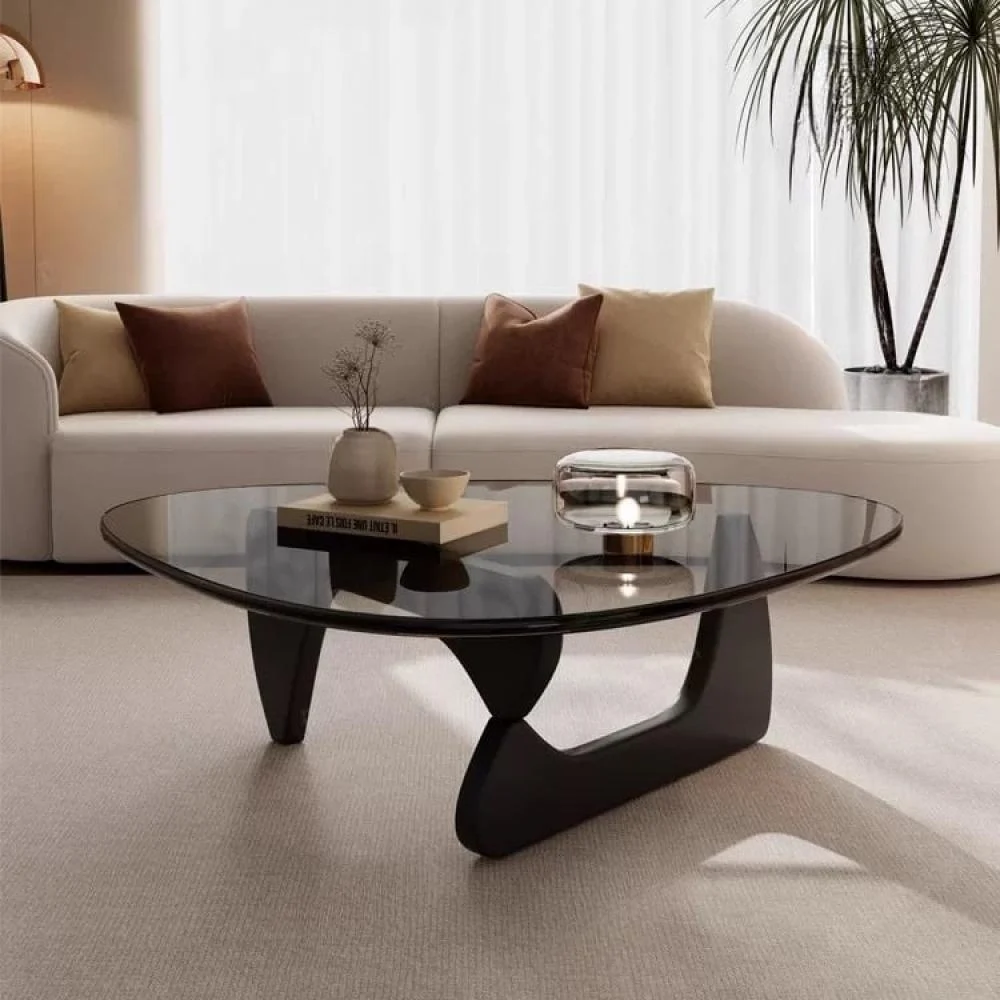
- Furniture Accessories: Embossed glass is used for cabinet doors and wardrobe glass panels, which are beautiful and can block internal sundries.
Doors & Windows
- Residential Buildings: Widely used in living rooms, bedrooms, balconies, etc., in family homes, being one of the mainstream choices for doors and windows.
In an era where architecture demands both performance and elegance, glass stands as a material that bridges the gap between engineering and artistry. Its adaptability makes it essential for everything from energy-efficient passive buildings to striking decorative installations, proving that functionality and beauty can coexist. The future of construction and design will increasingly rely on smart glass solutions that enhance sustainability, safety, and occupant comfort—whether through advanced coatings, multi-layered laminates, or innovative insulating techniques. For developers, architects, and homeowners alike, choosing the right glass is not just about meeting specifications but investing in long-term value, durability, and aesthetic harmony.
As technology advances, so too will the possibilities for glass to shape smarter, greener, and more inspiring environments. From concept to completion, the right glass solutions ensure that every project achieves its highest potential, reflecting both the vision of its creators and the needs of its users. In the hands of skilled manufacturers and designers, glass transcends its traditional role, becoming a transformative force in modern architecture.