In the realms of optics and new energy, glass has emerged as a critical enabler of scientific progress and technological innovation. This versatile material has transcended its traditional roles to become an indispensable component in cutting-edge applications that shape our understanding of the world and harness its energy potential. From the precision lenses that bring distant galaxies into focus to the specialized components enabling clean energy breakthroughs, advanced glass solutions operate at the intersection of clarity, durability, and scientific functionality.
Modern optical glass achieves near-perfect flatness for microscopic examination while specialized coatings manipulate light with nanometer precision, enhancing everything from medical diagnostics to astronomical observation. Simultaneously, in the energy sector, glass innovations facilitate hydrogen fuel cell technology and withstand extreme laboratory conditions, proving instrumental in our transition to sustainable power sources.
The unique properties of engineered glass—its ability to transmit, reflect, or filter specific wavelengths while maintaining structural integrity under stress—make it irreplaceable in scientific endeavors. As research pushes boundaries in both fundamental science and applied technology, glass evolves in parallel, developing new formulations and treatments to meet increasingly stringent requirements. This symbiotic relationship between material science and technological advancement demonstrates how glass continues to illuminate our path forward, both literally in optical applications and metaphorically in energy solutions.
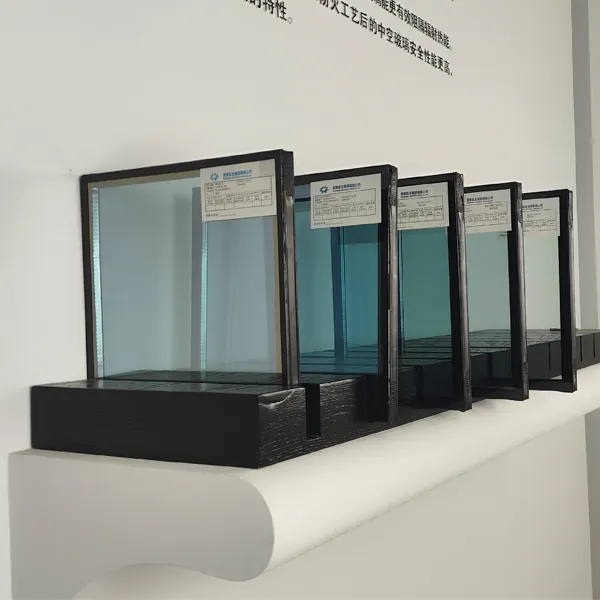
Float Glass
- Optical Instruments: Used for microscope slides, lens protective glass, and other scenarios with extremely high flatness requirements.
- New Energy and Scientific Research: Such as sealing glass for hydrogen fuel cell plates or high-temperature/corrosion-resistant glass components for laboratories.
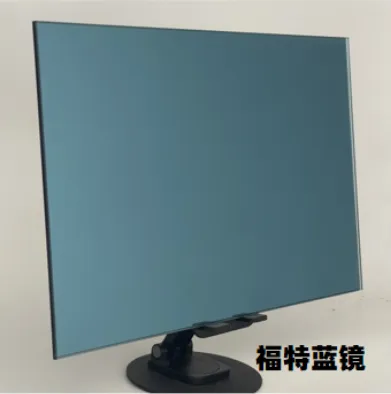
Coated Glass
- Optical Instruments: Telescope and camera lenses are coated with multi-layer anti-reflective films to reduce light loss and improve imaging clarity.
- Scientific Research and Medical Care: Laboratory spectrometer lenses are coated with specific wavelength filter films for light signal analysis; operating room glass uses antibacterial films to inhibit bacterial growth.
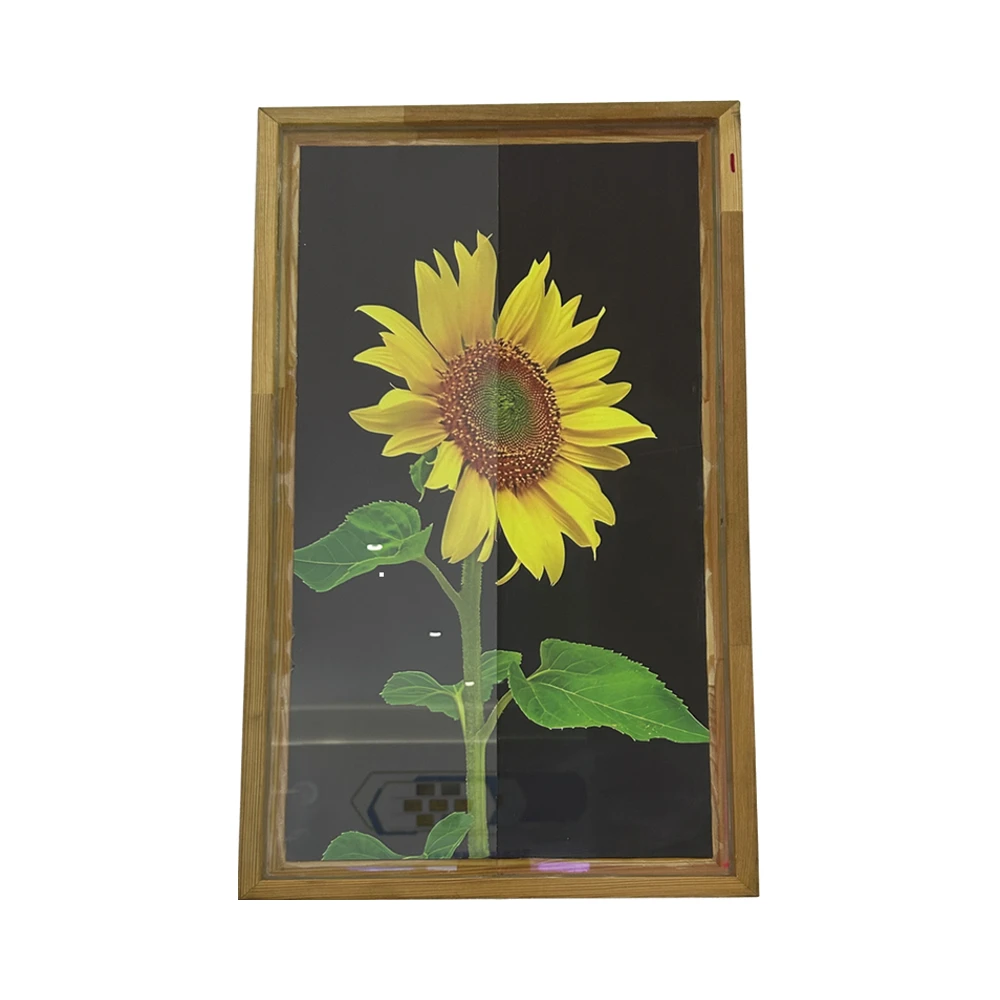
Mirror Glass
- High-precision mirror glass is used in laboratories to make reflectors for optical experiments or instrument calibration (e.g., spectrometers, laser equipment).
- Convex mirror glass is installed at parking lots and road corners to expand the field of view and reduce blind spot hazards; some mirror glasses have bidirectional perspective functions (such as observation windows in interrogation rooms).
The future of optics and energy technologies will be increasingly shaped by advancements in glass science, as this remarkable material continues to break new ground in precision and performance. As we develop more sophisticated scientific instruments and cleaner energy systems, glass will remain at the heart of these innovations—whether enabling sharper imaging of cellular structures, more efficient light harvesting in analytical devices, or more durable components for renewable energy infrastructure.
The ongoing refinement of glass technologies promises to unlock further possibilities in fields ranging from quantum computing to space exploration, where optical clarity and material reliability are paramount. What makes glass truly extraordinary in these applications is its dual role as both a window for observation and an active participant in scientific processes—filtering specific light wavelengths in spectrometers, withstanding corrosive environments in fuel cells, or providing distortion-free reflection in optical systems.
As humanity's quest for knowledge and sustainable energy solutions intensifies, glass stands ready to meet these challenges, proving that even our most ancient materials, when perfected through modern science, can become catalysts for discovery and progress. In laboratories and energy installations worldwide, glass continues to demonstrate that seeing clearly—both literally and figuratively—is fundamental to advancing human understanding and capability.