Glass has quietly revolutionized the electronics and renewable energy sectors, transforming from a passive component to an active enabler of technological progress. In today's digital and sustainable energy landscape, advanced glass solutions serve as the unsung heroes behind our most vital technologies - from the vibrant displays we interact with daily to the solar panels powering our future.
The marriage of material science and precision engineering has birthed glass products that defy conventional limitations, achieving remarkable feats of thinness, strength, and functionality. Ultra-thin float glass now forms the foundation for flexible OLED displays that bend to our technological imagination, while specialized coatings turn ordinary surfaces into anti-glare touch interfaces or super-efficient light harvesters. In photovoltaics, glass has evolved beyond mere protection to become an active participant in energy generation, with anti-reflective treatments and durable laminations pushing solar conversion efficiencies to new heights.
This technological alchemy - where transparency meets conductivity, where fragility transforms into resilience - represents one of materials engineering's most significant triumphs. As society's hunger grows for clearer displays, more powerful solar solutions, and sustainable technologies, glass innovations continue to rise to the challenge, proving that this ancient material still holds the key to cutting-edge applications. The quiet revolution of glass in electronics and energy demonstrates how fundamental materials, when reimagined through science, can become catalysts for technological transformation.
Float Glass
- Display Substrate: Provides a flat base for LCD and OLED screens, especially ultra-thin float glass (e.g., below 0.1mm) for flexible screen manufacturing.
- Photovoltaic Cover Glass: The upper cover glass of solar panels requires high light transmittance (≥91%) while resisting UV rays and sandstorms.
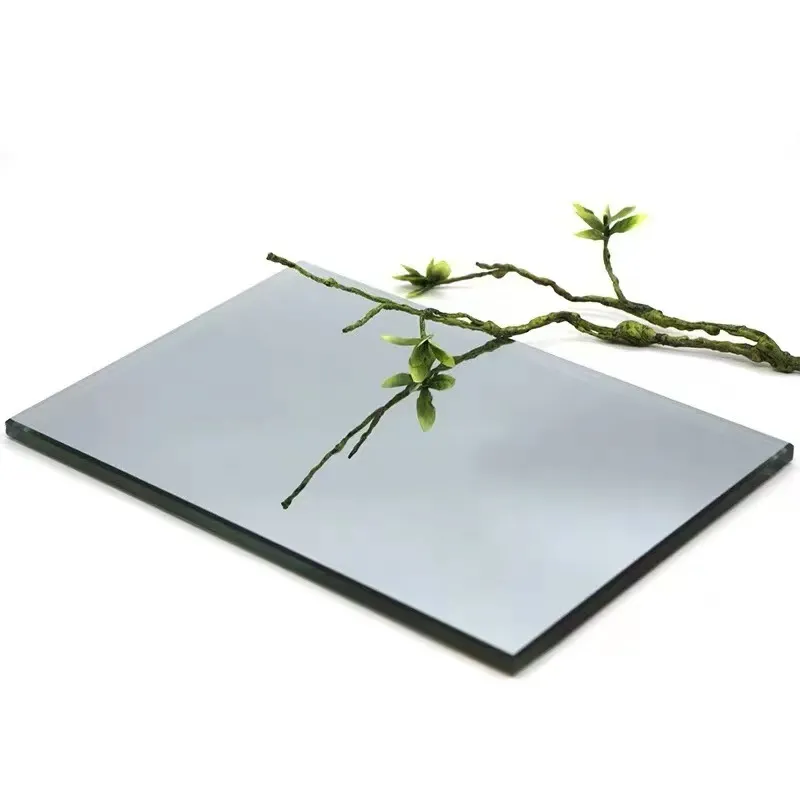
Coated Glass
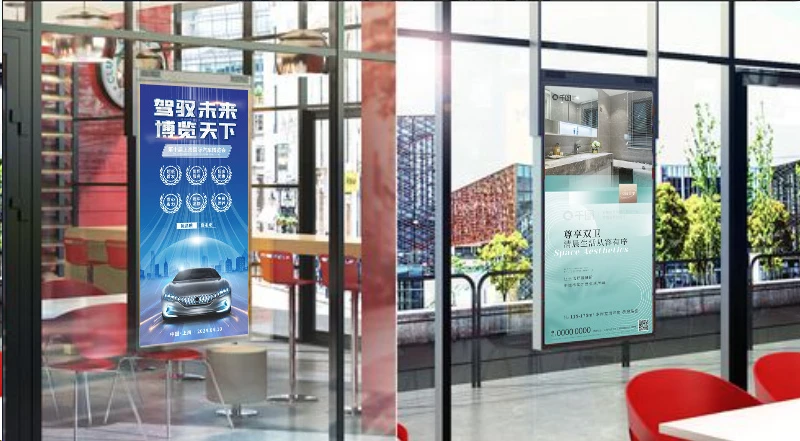
- Displays: Mobile phones and computer screens are coated with anti-reflective (AR) films to reduce glare; touchscreens use ITO conductive films for touch functionality.
- Photovoltaic Modules: Solar panel cover glass is coated with anti-reflective films to increase light transmittance to over 95%, enhancing power generation efficiency.
Tempered Glass
- Electronic Devices: Screen cover glass for mobile phones and tablets (e.g., Corning Gorilla Glass) is tempered to enhance scratch and drop resistance.
- Photovoltaic Modules: If the cover glass of solar panels needs improved hail resistance, tempering can be used while maintaining high light transmittance.
Laminated Glass
- PV Modules: Double-glass laminated PV panels replace traditional backsheets with laminated glass, enhancing resistance to hailstones and sandstorms and extending outdoor service life.
- Building Integrated Photovoltaics (BIPV): Laminated PV glass can be directly used for building skylights and curtain walls, combining power generation with decoration.
As we stand on the brink of a new era in electronics and renewable energy, glass is poised to play an even more transformative role. The future will see this versatile material evolve from being merely functional to becoming truly intelligent - perhaps incorporating self-healing surfaces for displays, or dynamic light modulation for next-generation photovoltaics.
Already, innovations like ultra-thin flexible glass substrates are enabling foldable electronics that redefine human-device interaction, while advanced photovoltaic glass integrations are turning entire buildings into clean power generators. What makes glass uniquely valuable in these applications is its unparalleled ability to combine seemingly contradictory properties: optical clarity with electronic functionality, environmental resistance with energy transparency, microscopic thinness with macroscopic durability.
As sustainable technology and digital innovation continue to converge, glass will serve as the critical interface - quite literally the window - through which these revolutions manifest. The ongoing story of glass in electronics and energy isn't just about better materials; it's about enabling fundamental shifts in how we harness light, process information, and power our world. In this context, glass ceases to be just another component, and becomes instead a visionary material - one that lets us see both the present clearly, and the future brightly.