High-Performance dual low e glass Solutions for Indonesia

Integrating advanced thermal insulation and ultra-clear aesthetics to meet the architectural demands of Indonesia's tropical urban landscape.

High-Performance dual low e glass Solutions for Indonesia

Providing a comprehensive range of energy-efficient and high-transparency glass products tailored for the Indonesian construction market, ensuring sustainable cooling and maximum natural light.

Glass Industry Landscape in Indonesia

Navigating the challenges of humidity, solar heat gain, and rapid urbanization in Southeast Asia.

Indonesia's architectural sector is currently experiencing a massive shift towards green building certifications. Due to the equatorial climate, the demand for float glass that can withstand high humidity while reducing interior heat load has become a primary concern for developers in Jakarta and Surabaya.

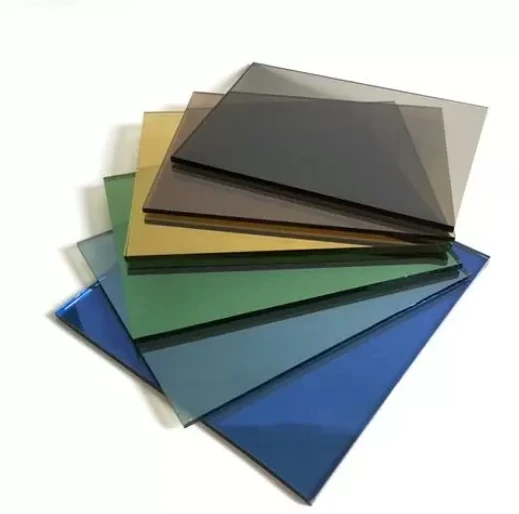
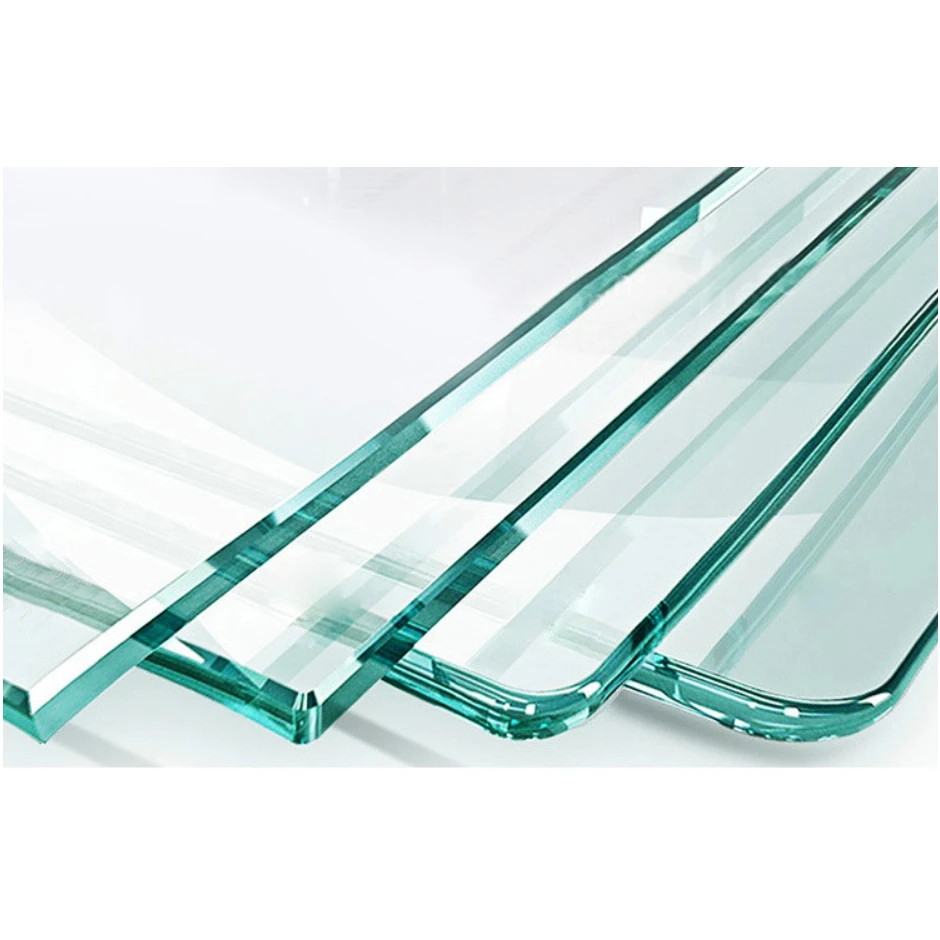
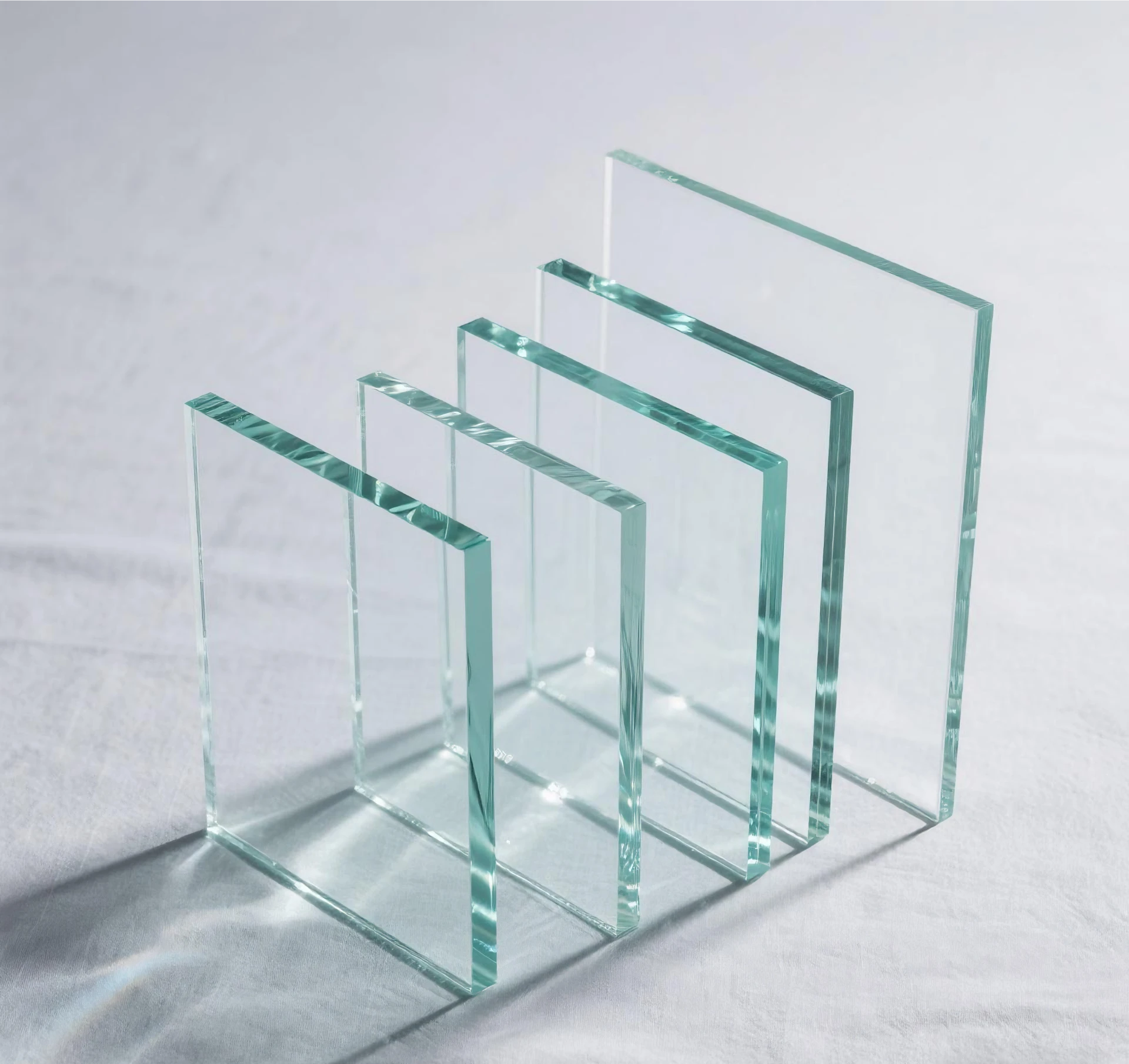
The market is increasingly moving away from standard clear glass towards low iron glass sheet to enhance the visual clarity of luxury facades. The inherent green tint of traditional glass often clashes with the vibrant tropical lighting, making high-transparency alternatives essential for modern retail and hospitality projects.

Furthermore, the rise of high-rise commercial complexes requires specialized coatings. The integration of white coated glass is becoming a trend to achieve a clean, minimalist aesthetic while managing the intense solar radiation typical of the Indonesian archipelago.
Evolution of Flat Glass Technology in Indonesia

From basic structural glazing to intelligent thermal management systems.

Market Development History

In the early 2000s, the Indonesian market relied heavily on standard float glass for basic residential needs, where the primary focus was durability and weather resistance against heavy monsoon rains.

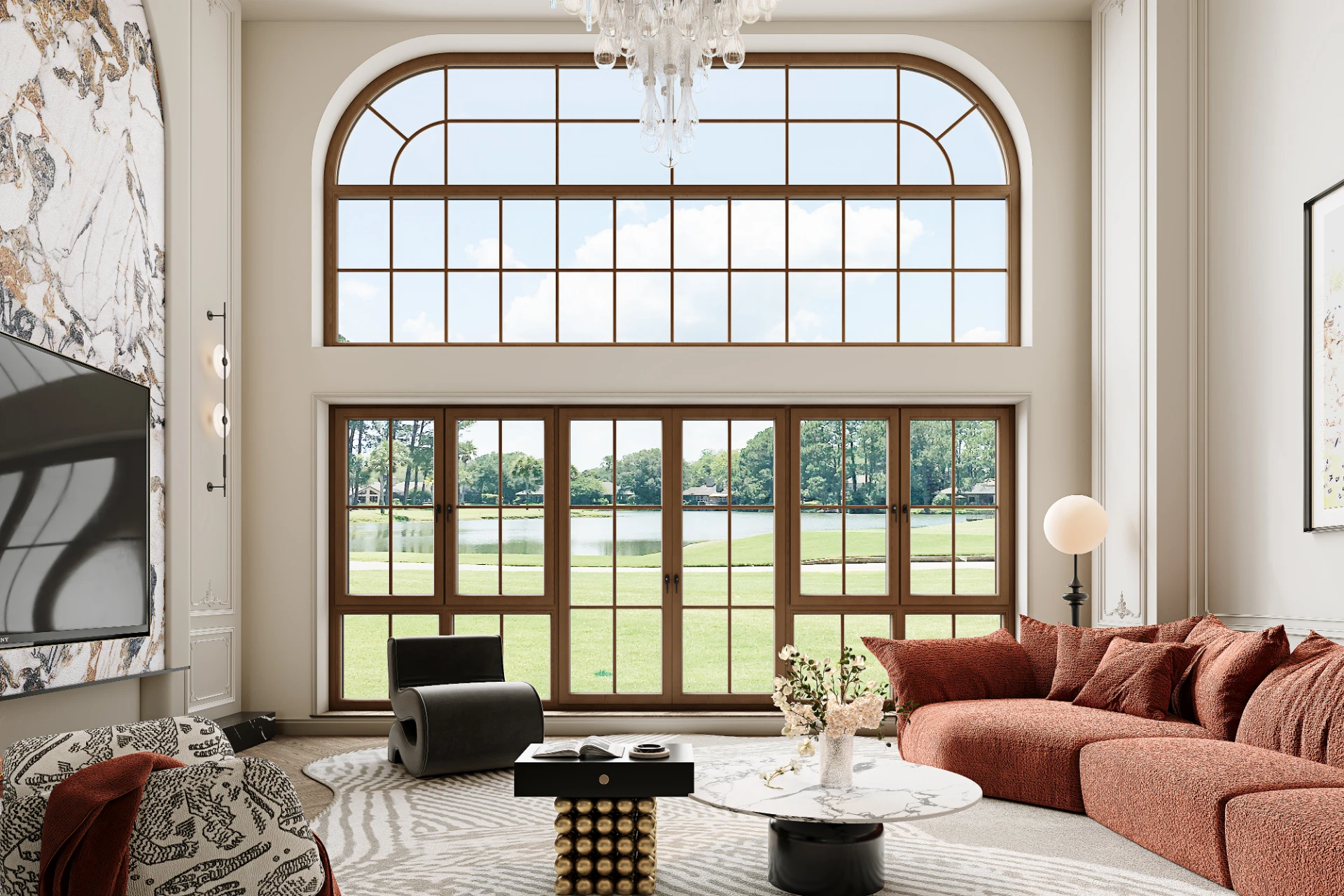
Between 2010 and 2020, there was a significant pivot towards "Clear-View" technology. This era saw the introduction of clear glass low iron, allowing architects to design open-concept buildings that merged indoor spaces with the natural Indonesian greenery without color distortion.

From 2021 to the present, the focus has shifted to "Energy Intelligence." The adoption of multi-layered coatings and advanced emissive layers has redefined how Indonesian skyscrapers manage HVAC costs and carbon footprints.

Future Development Trends

Smart Thermal Regulation

Integration of dynamic coatings that adapt to solar intensity, further evolving from static low-e to active light-control systems.

Sustainable Raw Material Sourcing

A transition towards recycled cullet in float glass production to meet Indonesia's national sustainability goals and reduce industrial emissions.

Ultra-High Transparency Standards

Increased specification of low-iron compositions for museum-grade and high-end luxury retail displays across major Indonesian cities.

Future Trends and Strategic Outlook

Analyzing the trajectory of high-performance glazing in the Asia-Pacific region.

Decarbonization of Glazing
Reducing the embodied carbon of glass production to align with Indonesia's Net Zero 2060 target.
Advanced UV Filtration
Developing coatings that block 99% of UV rays to prevent interior fading in high-solar areas.
Adaptive Thermal Control
Implementation of dual-silver layers to maximize heat rejection without sacrificing light transmission.
BIM-Integrated Glass
Using digital twins to optimize glass placement for maximum energy efficiency in Indonesian projects.

Industry Outlook

Based on Google search trends in the Southeast Asian region, there is a growing volume of queries regarding "energy-efficient facade" and "low-e glass costs." This indicates a shift in the Indonesian market from procurement based on price to procurement based on long-term operational savings.

We predict that the next 3-5 years will see a surge in the adoption of specialized glass sheets that combine structural strength with extreme thermal barriers, specifically designed for the coastal high-rise developments in Bali and Jakarta.

Localized Application Scenarios in Indonesia

Tailored glass solutions for the diverse architectural needs of the Indonesian archipelago.

1. Jakarta CBD High-Rise Offices

Utilization of dual low e glass to drastically reduce air conditioning loads while maintaining a panoramic view of the city skyline.

2. Luxury Bali Beach Resorts

Applying low iron glass sheet for seamless transitions between indoor lounges and ocean views, ensuring no green tint interferes with the natural turquoise water colors.

3. Surabaya Commercial Retail Hubs

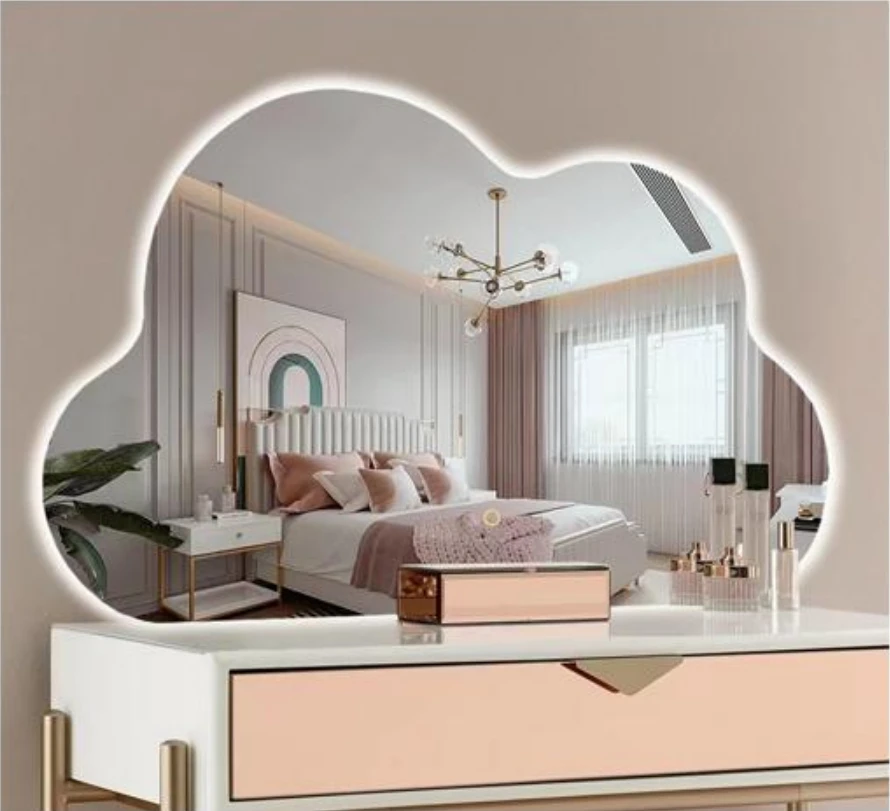
Installation of white coated glass for storefronts to provide a high-end, clean aesthetic that reflects heat and protects merchandise from UV degradation.

4. Modern Residences in Bandung

Using clear glass low iron for large skylights and greenhouses, maximizing natural light penetration in the cooler highland climate.

5. Industrial Warehouses in Bekasi

High-durability float glass reinforced for structural integrity, providing essential light and safety for large-scale manufacturing facilities.

Brand Story

Global Development Journey of Wangmei Industrial Group Co., Ltd.

Foundation of Excellence

Established with a vision to redefine glass purity, Wangmei began by perfecting the float process to serve the growing Asian architectural market.

Technological Breakthrough

We pioneered the industrialization of low-iron glass, solving the industry pain point of color distortion in high-transparency applications.

Global Expansion

Expanding our footprint across Southeast Asia, we localized our supply chain to ensure rapid delivery and technical support for Indonesian projects.

Eco-Innovation Era

Launched the "Green Glazing" initiative, focusing on dual-silver and triple-silver Low-E coatings to combat global warming through energy efficiency.

Future Vision 2030

Committed to creating a world where glass is not just a barrier, but an intelligent skin that manages energy, light, and health for urban dwellers.

Complete Glass Portfolio for the Indonesian Market

A one-stop solution for all architectural and industrial glass requirements in Indonesia.

Frequently Asked Questions - Indonesia

Expert answers to the most common technical queries from Indonesian developers and architects.

What is the benefit of using dual low e glass in Jakarta's climate?

Dual low-e glass provides a double layer of silver coating that significantly reduces the Solar Heat Gain Coefficient (SHGC), keeping interiors cool in Jakarta's heat while reducing AC energy consumption.

How does low iron glass sheet differ from standard float glass?

Unlike standard float glass which has a greenish tint due to iron oxide, low iron glass has a significantly reduced iron content, resulting in superior clarity and true-to-life color reproduction.

Is clear glass low iron suitable for exterior facades in coastal areas?

Yes, when combined with tempering or laminating processes, it is highly durable and perfect for coastal resorts in Bali where maximum transparency and salt-air resistance are required.

What are the maintenance requirements for white coated glass?

White coated glass is designed for durability; however, regular cleaning with non-abrasive solutions is recommended to maintain its reflective brilliance and prevent dust buildup in urban environments.

Can dual low e glass be integrated into existing window frames?

It depends on the frame thickness. Dual low-e is often part of an IGU (Insulated Glass Unit), which requires a deeper rebate than single-pane float glass.

Which glass is best for high-end retail displays in Indonesia?

We strongly recommend low iron glass sheet for retail displays to ensure that product colors are displayed accurately without the green tint interference.

Consult Our Glass Experts

Ready to upgrade your project with world-class glazing solutions in Indonesia? Our technical team is here to help you choose the right specifications for your specific environment.

Contact Us Now

If you are interested in our products, you can choose to leave your information here, and we will be in touch with you shortly.