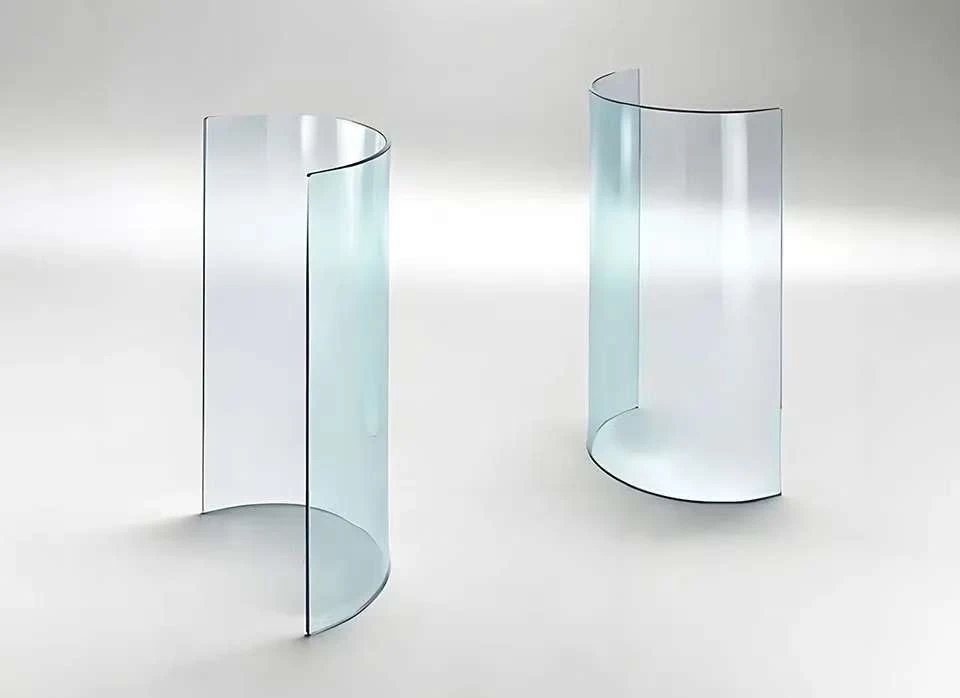
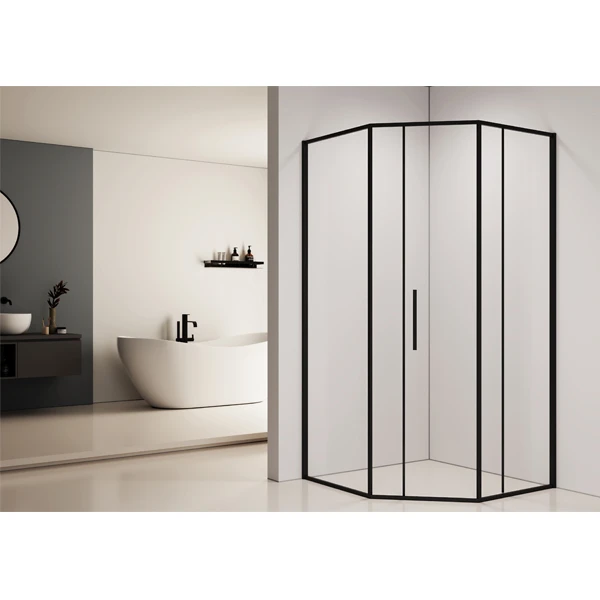
High-Performance dual low e glass Solutions for Mexico

Advanced architectural glazing engineered for the unique climatic challenges of the Mexican market, blending energy efficiency with crystal-clear aesthetics.

High-Performance dual low e glass Solutions for Mexico

Providing the Mexican construction industry with premium float glass and specialized coated glass to enhance thermal insulation and visual transparency in tropical and arid climates.

The Landscape of Glass Manufacturing in Mexico

Analyzing the intersection of architectural demand and climatic necessity in North America's southern gateway.

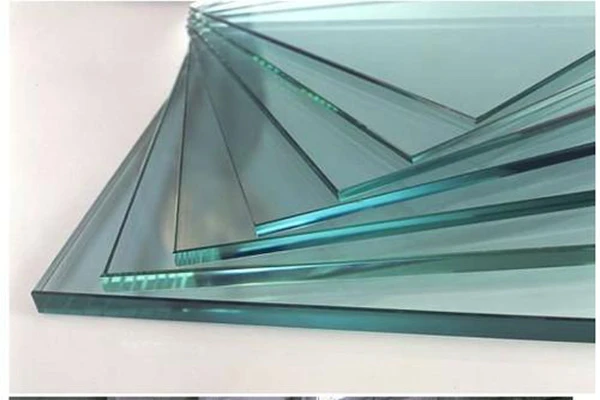
Mexico's glass market is currently shaped by extreme temperature variations, from the humid coasts of Veracruz to the arid plateaus of the North. This environment drives a critical need for low iron glass sheet to maintain high light transmission while resisting solar heat gain, ensuring interiors remain cool without sacrificing natural light.

The rapid urbanization in cities like Mexico City and Monterrey has accelerated the adoption of energy-saving glazing. There is a significant shift toward clear glass low iron for high-end commercial facades, as developers seek to meet international LEED standards and reduce carbon footprints in dense urban centers.

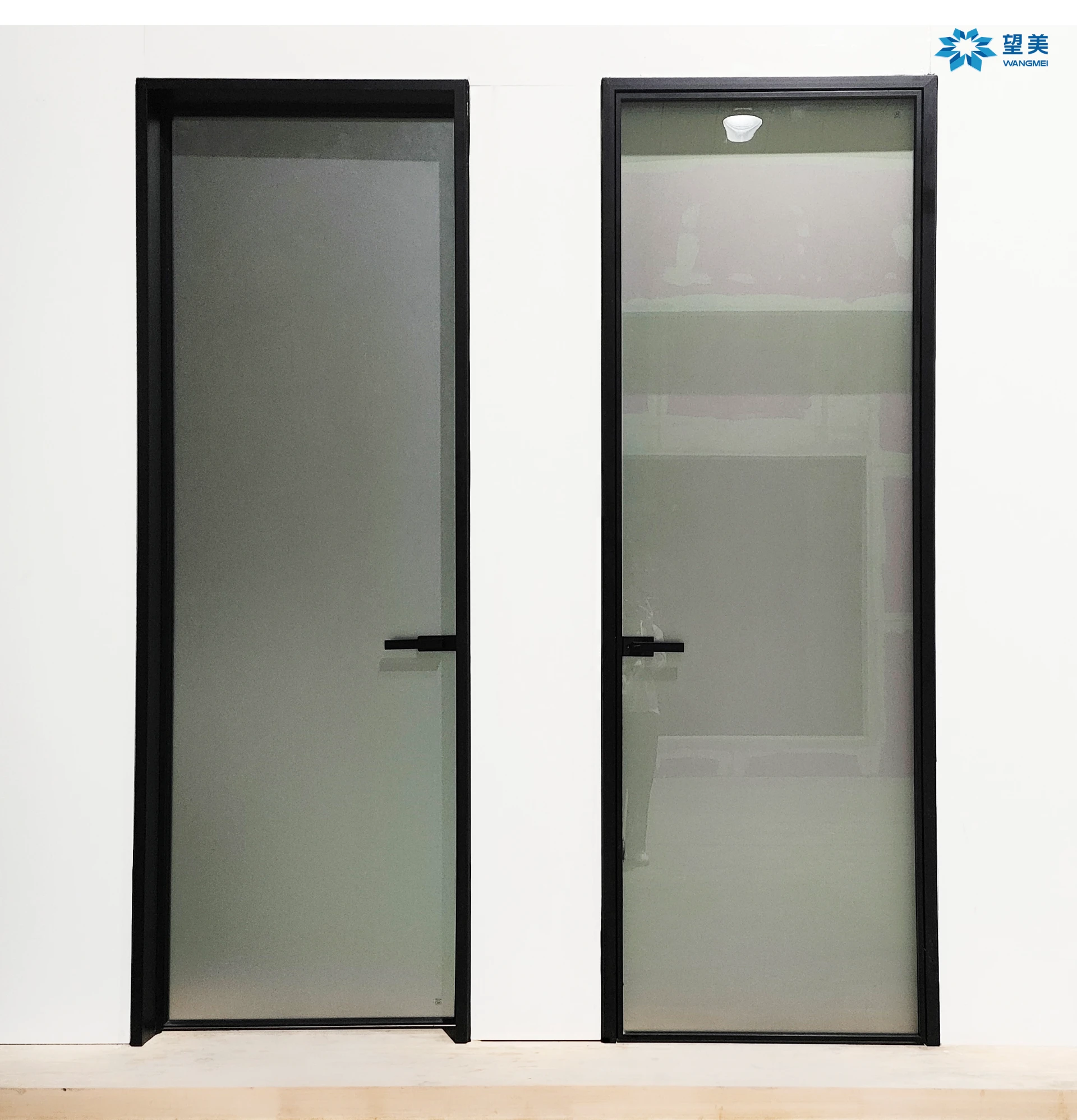
Furthermore, the industrial sector is increasingly utilizing white coated glass for specialized interior partitions and hygienic environments. The market is evolving from basic structural glass toward multifunctional surfaces that offer both privacy and superior thermal control.
Evolution of Glazing Technology in Mexico

From basic transparency to intelligent thermal regulation.

Market Development History

In the late 20th century, the Mexican market relied heavily on standard float glass, focusing primarily on structural integrity and basic visibility for residential and commercial builds.

Between 2005 and 2015, the industry saw a transition toward performance-based glass. The introduction of single Low-E coatings allowed builders to combat Mexico's intense solar radiation more effectively than traditional tinted glass.

From 2016 to the present, the trajectory has shifted toward "Ultra-Clear" and "Multi-Layer" technologies, where the demand for high-purity materials has made the transition to advanced coatings a standard for modern architectural projects.

Future Development Trends

Dynamic Thermal Insulation

Integration of smart coatings that react to the intense Mexican sun to dynamically adjust heat rejection levels.

Carbon-Neutral Production

A shift toward hydrogen-fueled furnaces in glass manufacturing to align with Mexico's growing sustainability mandates.

Integrated Photovoltaic Glass

The convergence of energy generation and glazing, transforming facades into active power plants for urban skyscrapers.

Industry Outlook & Future Projections

Anticipating the next 5 years of architectural glass innovation in the region.

Ultra-Clear Purity
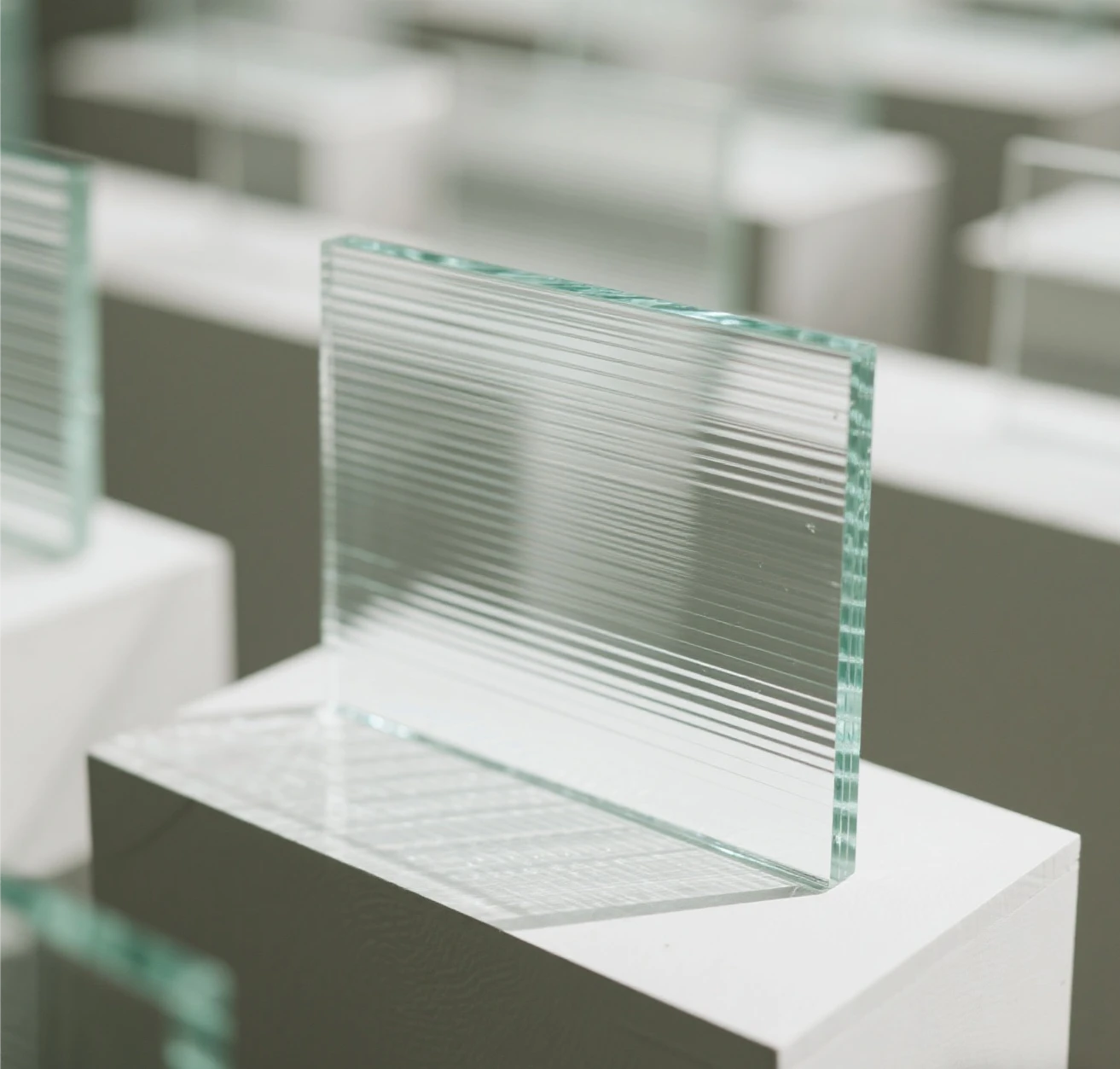
Rising demand for low-iron compositions to eliminate the green tint in luxury retail and museum displays.
Advanced Low-E
Transitioning toward triple-silver coatings to maximize thermal barriers in Mexico's extreme heat zones.
Sustainable Sourcing
Increased focus on recycled cullet and low-carbon footprints for all glass sheet production.
Smart-Glass Integration
Electrochromic layers becoming viable for high-end Mexican corporate offices to reduce HVAC costs.

Industry Outlook

Based on Google Search trends for "energy-efficient building materials" in North America, we anticipate a 25% surge in demand for specialized coatings in Mexico. The convergence of stricter energy codes and a booming luxury real estate sector will favor high-performance glazing.

The future will be defined by the ability to balance transparency with thermal resistance, making the mastery of low-iron and low-E technologies the primary competitive advantage for manufacturers.

Localized Applications in Mexico

Real-world implementations across diverse Mexican environments.

1. Luxury Coastal Resorts (Cancun & Riviera Maya)

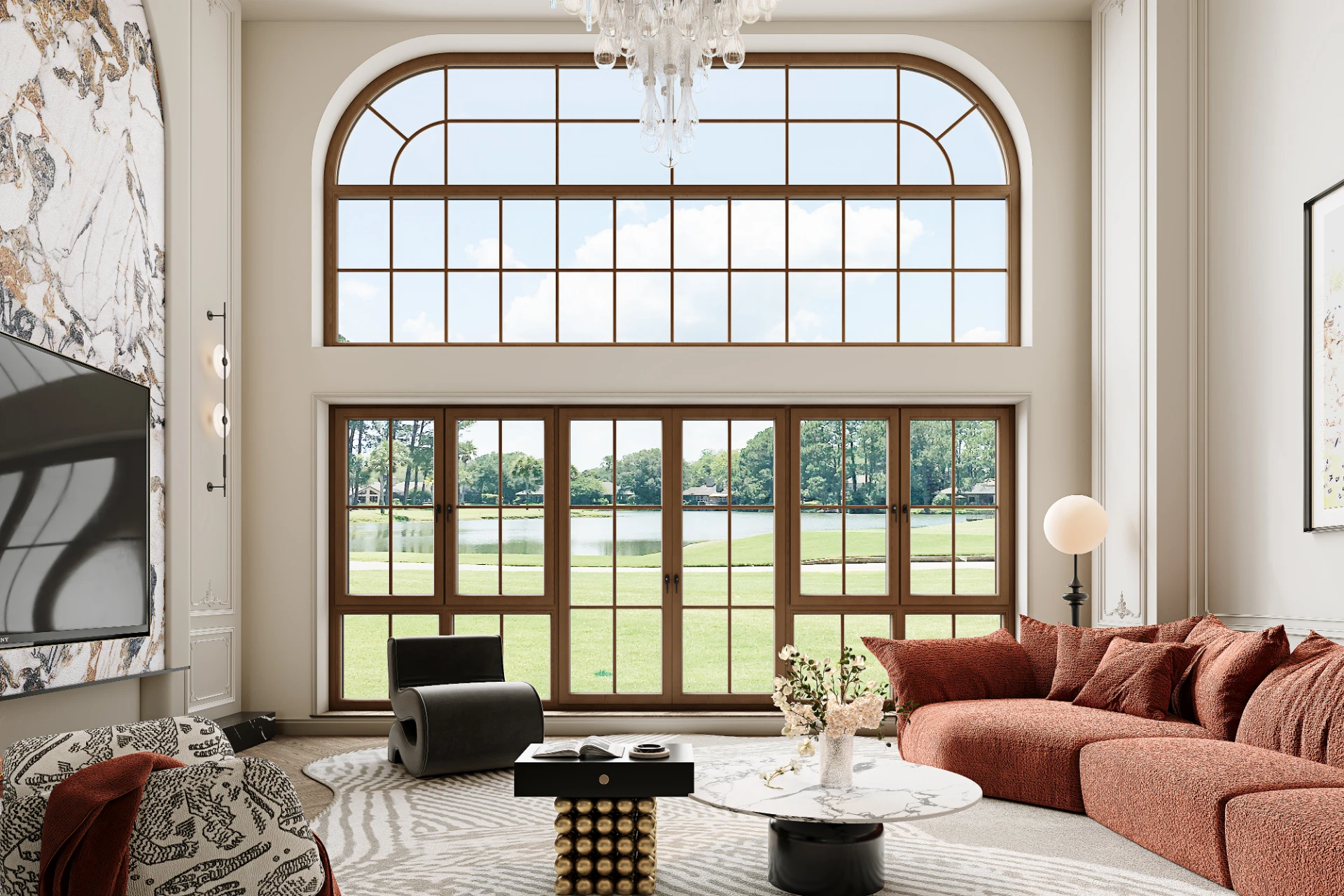
Implementing dual-silver Low-E coatings to block intense UV rays and salt-air corrosion while maintaining panoramic ocean views.

2. Corporate Skyscrapers (CDMX Reforma District)

Utilization of large-scale low iron glass sheets to create seamless, transparent facades that minimize urban heat island effects.

3. High-End Retail Showcases (Monterrey)

Application of ultra-clear low-iron glass to ensure product colors are rendered accurately without the typical green tint.

4. Modern Residential Villas (Jalisco)

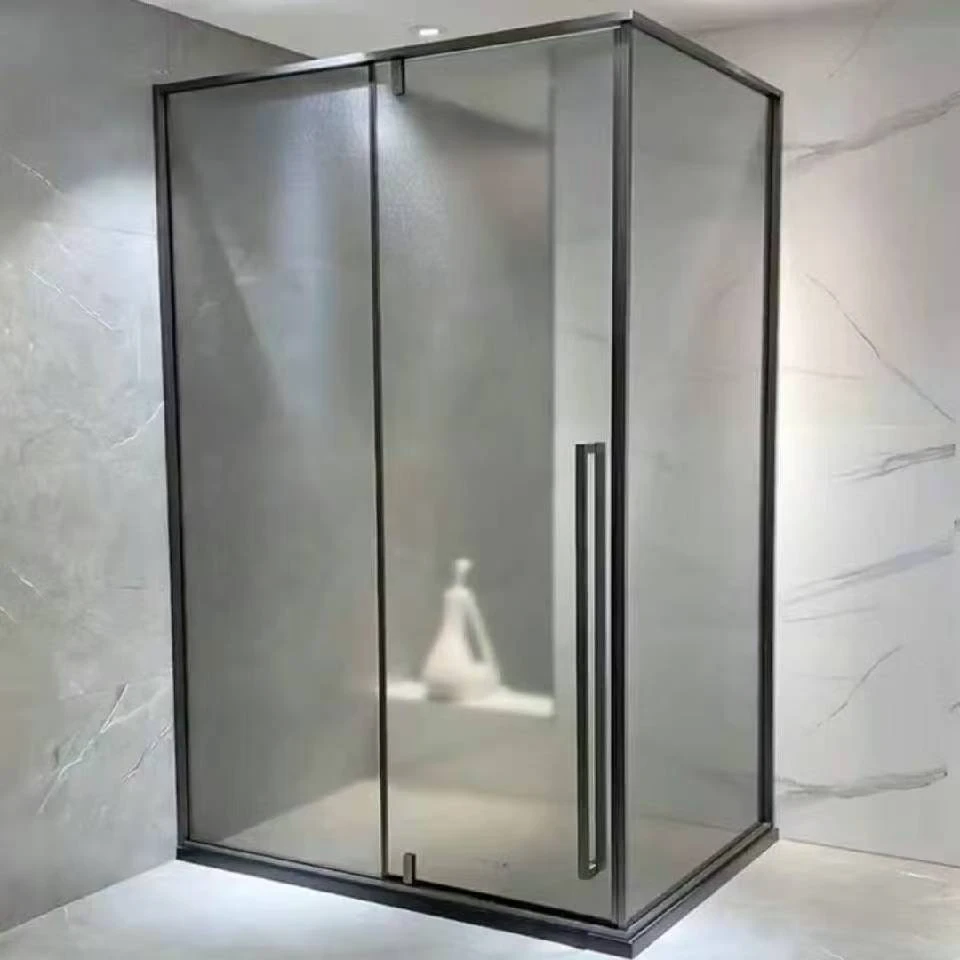
Integrating white coated glass for interior architectural features and bathrooms, combining privacy with a bright, clean aesthetic.

5. Industrial Solar-Passive Warehouses (Bajío Region)

Using advanced float glass with thermal breaks to maintain stable internal temperatures for precision manufacturing.

Brand Story

Global Development History of Wangmei Industrial Group Co., Ltd.

Foundational Excellence

Established with a vision to revolutionize glass purity, focusing on the core physics of float glass production to eliminate impurities.

Technological Breakthrough

Developed proprietary low-iron smelting processes, enabling the production of glass with unprecedented clarity for global architectural use.

Global Market Expansion

Extended operations into North America, tailoring energy-efficient glazing solutions to meet the specific climatic needs of Mexico and the US.

Innovation in Coatings

Launched a new generation of dual-silver and multi-functional coated glass to solve the conflict between transparency and heat insulation.

Sustainability Leadership

Committed to a green-manufacturing future, reducing the carbon footprint of glass production for the next generation of architects.

Comprehensive Glass Portfolio for Mexico

A full range of high-performance glazing options designed for Mexican architectural standards.

Common Inquiries from the Mexican Market

Expert answers to the most frequent technical questions regarding professional glazing.

What are the benefits of using low iron glass sheet in tropical climates?

Low iron glass eliminates the green tint of standard glass, allowing for maximum natural light penetration and true color rendering, which is essential for high-end aesthetics in bright coastal regions.

How does dual low e glass reduce energy costs in Mexico City?

By utilizing two layers of low-emissivity coatings, it significantly reduces the transfer of infrared heat, lowering the reliance on air conditioning during summer and retaining warmth during cool winter nights.

Is clear glass low iron more durable than standard float glass?

In terms of physical hardness, they are similar. However, low-iron glass is often specified for high-performance tempered or laminated units, increasing overall structural safety.

Where is white coated glass typically used in interior design?

It is widely used for backlit walls, luxury bathroom partitions, and modern kitchen splashbacks due to its opaque, clean finish and moisture resistance.

Can float glass be customized for specific thermal requirements in the Bajío region?

Yes, by combining float glass with specific Low-E coatings and argon gas filling in IGU units, we can tailor the U-value to match the specific climate of the region.

What is the lead time for high-volume low iron glass sheet orders in Mexico?

Lead times vary based on customization, but our optimized supply chain for North America ensures efficient delivery to major Mexican industrial hubs.

Ready to Elevate Your Project?

Contact our technical experts for tailored architectural glass solutions in Mexico.

Contact Us Now

If you are interested in our products, you can choose to leave your information here, and we will be in touch with you shortly.