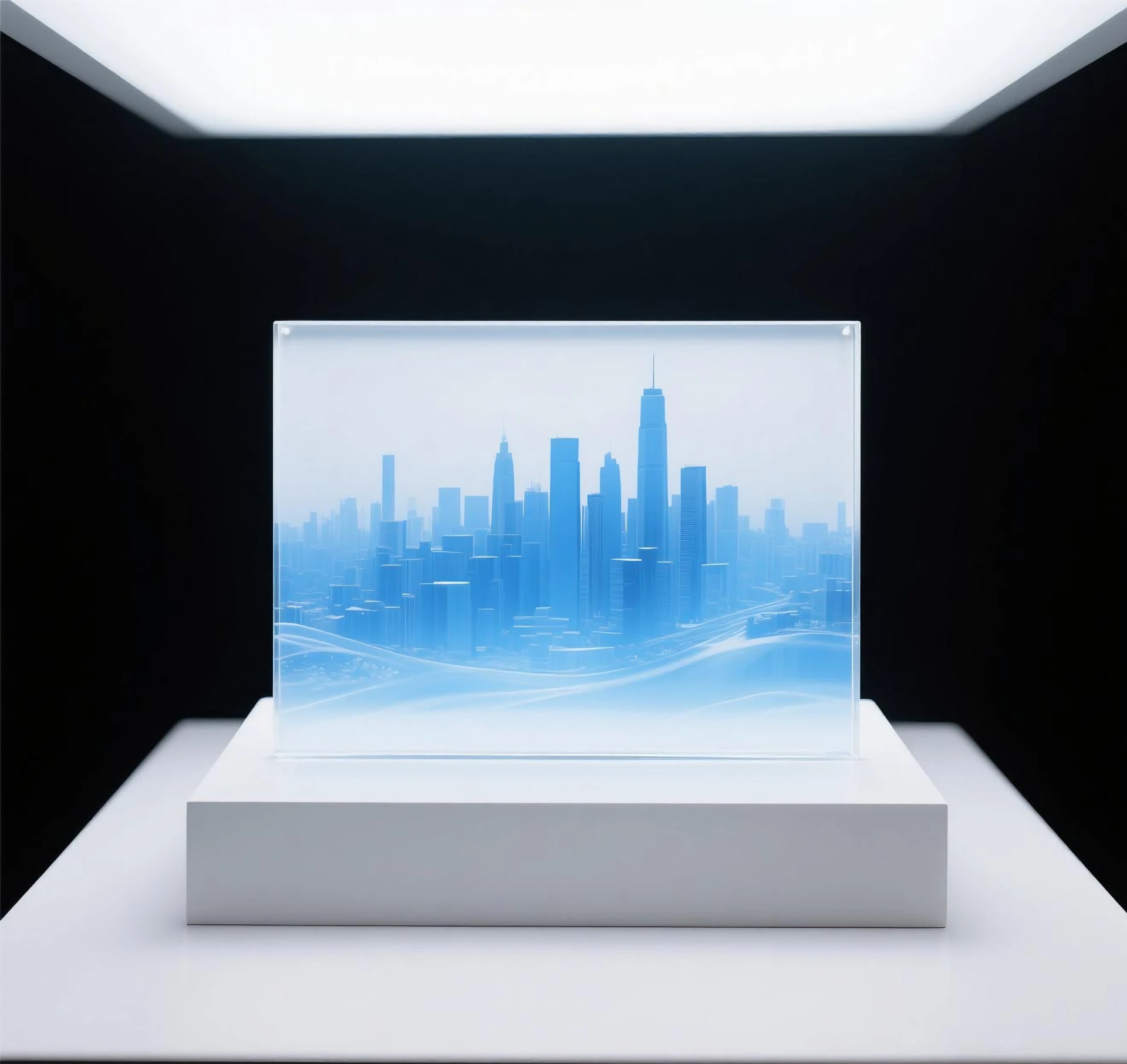
Premium dual low e glass Solutions for Brazil's Modern Architecture

Engineering high-performance architectural glazing tailored for the Brazilian climate, combining energy efficiency with crystal-clear aesthetics.

Premium dual low e glass Solutions for Brazil's Modern Architecture

Providing the Brazilian construction market with advanced flat glass technology, from standard industrial grades to ultra-clear specialty sheets designed for tropical solar control.

The State of Flat Glass Manufacturing in Brazil

Analyzing the intersection of tropical climate demands and industrial glass capabilities.

Brazil's glass industry faces a unique challenge: the intense solar radiation of the Southern Hemisphere. In major urban hubs like São Paulo and Rio de Janeiro, the demand for float glass has evolved beyond simple transparency to a critical need for thermal insulation to reduce HVAC costs.

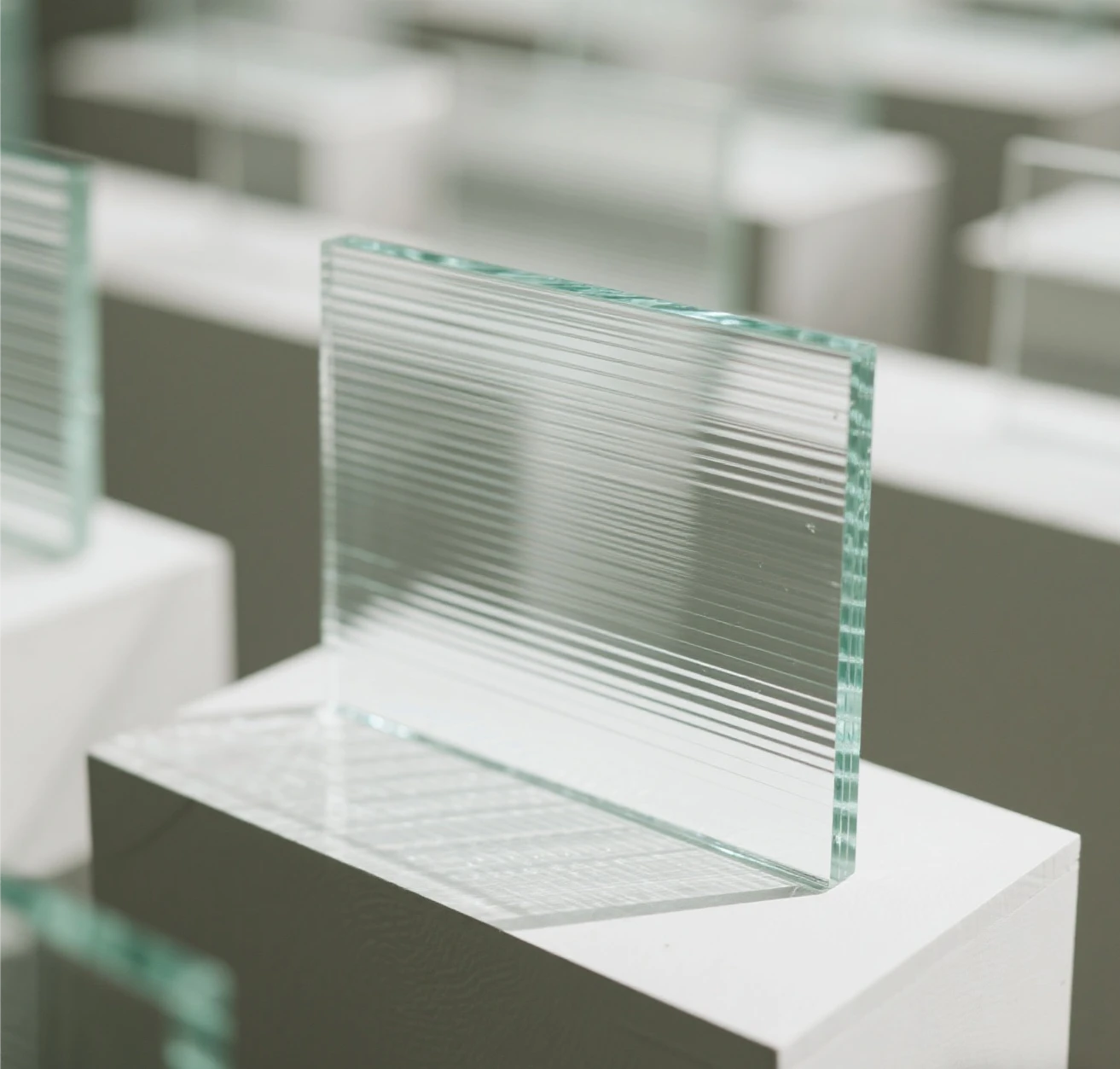
The market is currently seeing a shift toward high-specification materials. Architects are increasingly requesting low iron glass sheet to eliminate the greenish tint of standard glass, ensuring that the vibrant natural light of Brazil is captured without color distortion in luxury facades.

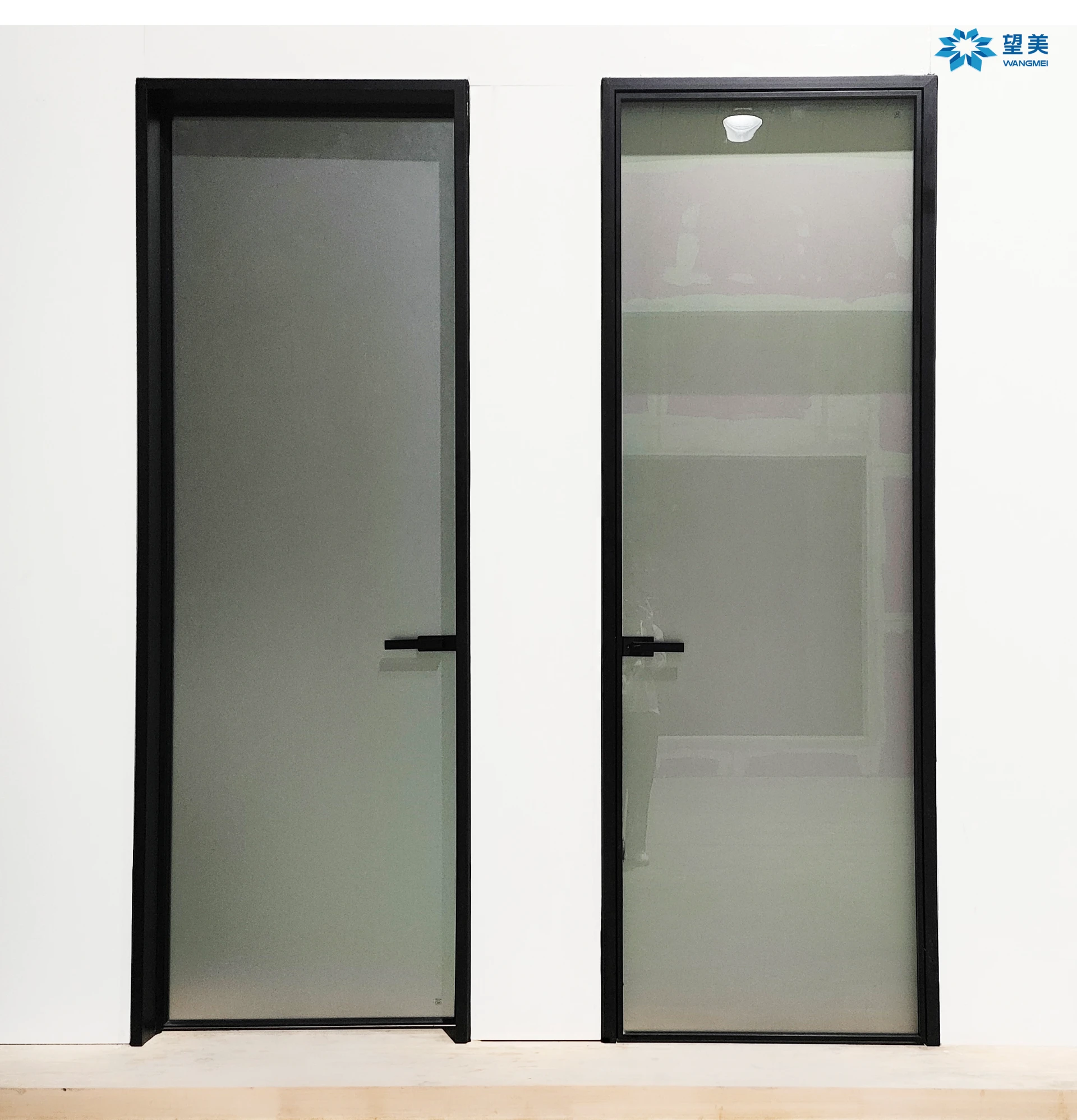
Furthermore, the growth of the commercial real estate sector has accelerated the adoption of specialized coatings. The integration of white coated glass is becoming a trend for interior partitioning and high-end furniture, blending minimalist aesthetics with durable industrial performance.
Evolution and Trajectory of Glass Technology in Brazil

From basic float processes to advanced spectral selectivity.

Market Development History

In the early 2000s, the Brazilian market was dominated by standard clear float glass, focusing primarily on structural integrity and basic weatherproofing for residential buildings.

Between 2010 and 2020, a technological pivot occurred. The introduction of clear glass low iron allowed for the rise of "invisible" architecture, enabling larger glass spans in shopping malls and corporate headquarters while maintaining extreme clarity.

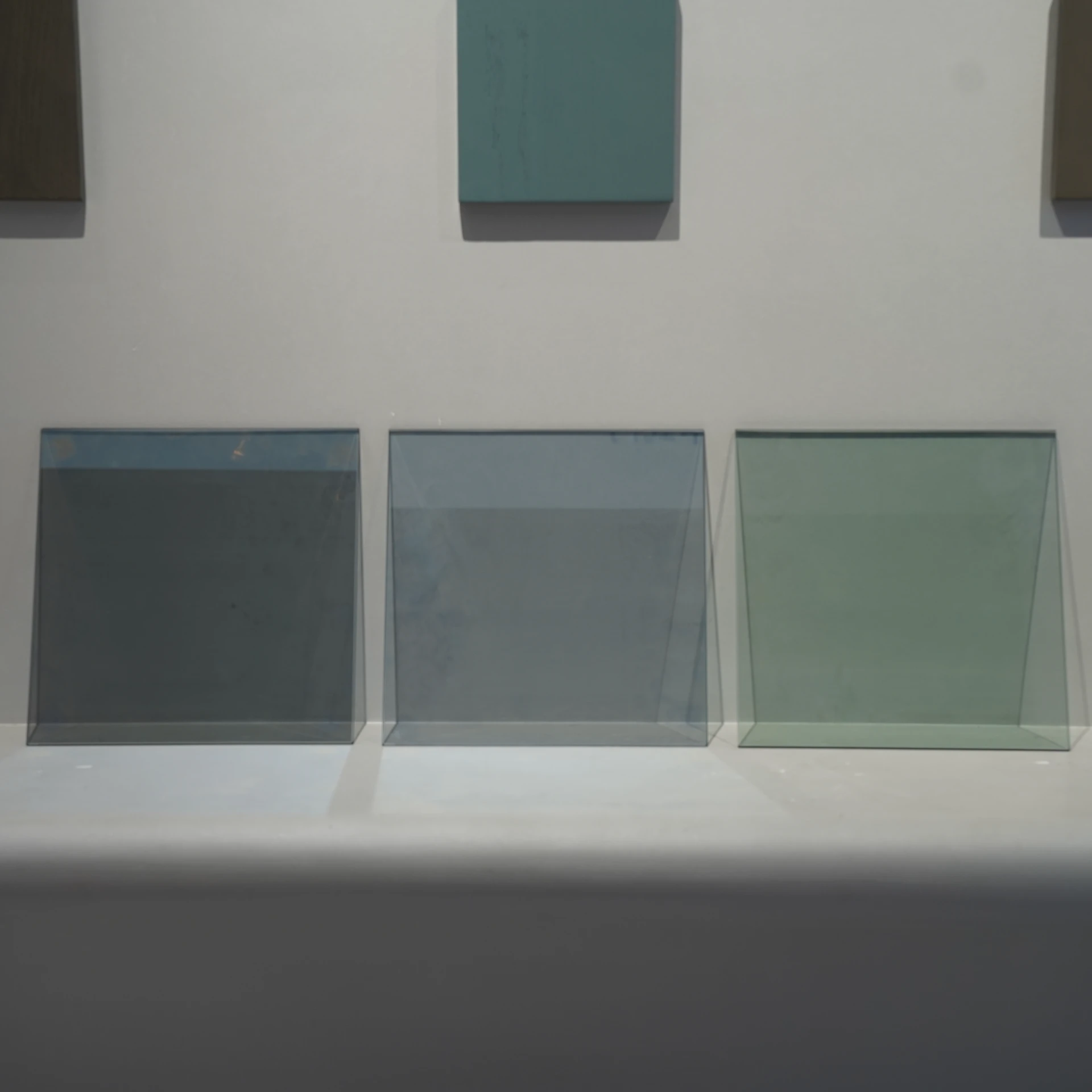
Currently, the industry has entered the era of "intelligent glazing," where dual-layered coatings are used to combat the specific infrared spectrum of the tropical sun, significantly lowering the carbon footprint of new constructions.

Future Development Trends

Dynamic Solar Control

Integration of smart coatings that adjust transparency based on the intensity of the Brazilian sun to optimize internal temperatures.

Sustainability and Circularity

A surge in demand for glass produced via low-carbon furnaces and a higher percentage of cullet recycling within the local supply chain.

Ultra-High Performance Vacuum Insulated Glass

Transitioning from standard double glazing to vacuum-sealed units to achieve unprecedented U-values for Brazil's diverse climatic zones.

Industry Trends and Future Outlook

Driving the future of Brazilian architecture through material science.

Thermal Efficiency Optimization
Focusing on reducing the Solar Heat Gain Coefficient (SHGC) specifically for tropical latitudes.
Aesthetic Transparency
Increasing adoption of low-iron variants to meet the demands of luxury high-rise developments.
Coating Durability
Developing surface treatments resistant to high humidity and saline air in coastal cities.
Smart-City Integration
Integrating BIPV (Building Integrated Photovoltaics) with architectural flat glass.

Industry Outlook

Based on Google search trends in Brazil, there is a significant increase in queries regarding "energy efficient glazing" and "thermal break windows." This indicates a market maturity where consumers prioritize long-term operational savings over initial material costs.

Over the next 3-5 years, the Brazilian market will likely see a standardization of Low-E glass in commercial building codes, forcing a transition from traditional float glass to more complex, multi-coated solutions to meet new green building certifications.

Localized Application Scenarios in Brazil

Practical implementations of high-performance glass in Brazilian environments.

1. São Paulo Corporate Skyscrapers

Utilizing dual low e glass to create massive curtain walls that allow natural light while blocking the intense heat, reducing air conditioning reliance in the financial district.

2. Rio de Janeiro Luxury Waterfront Villas

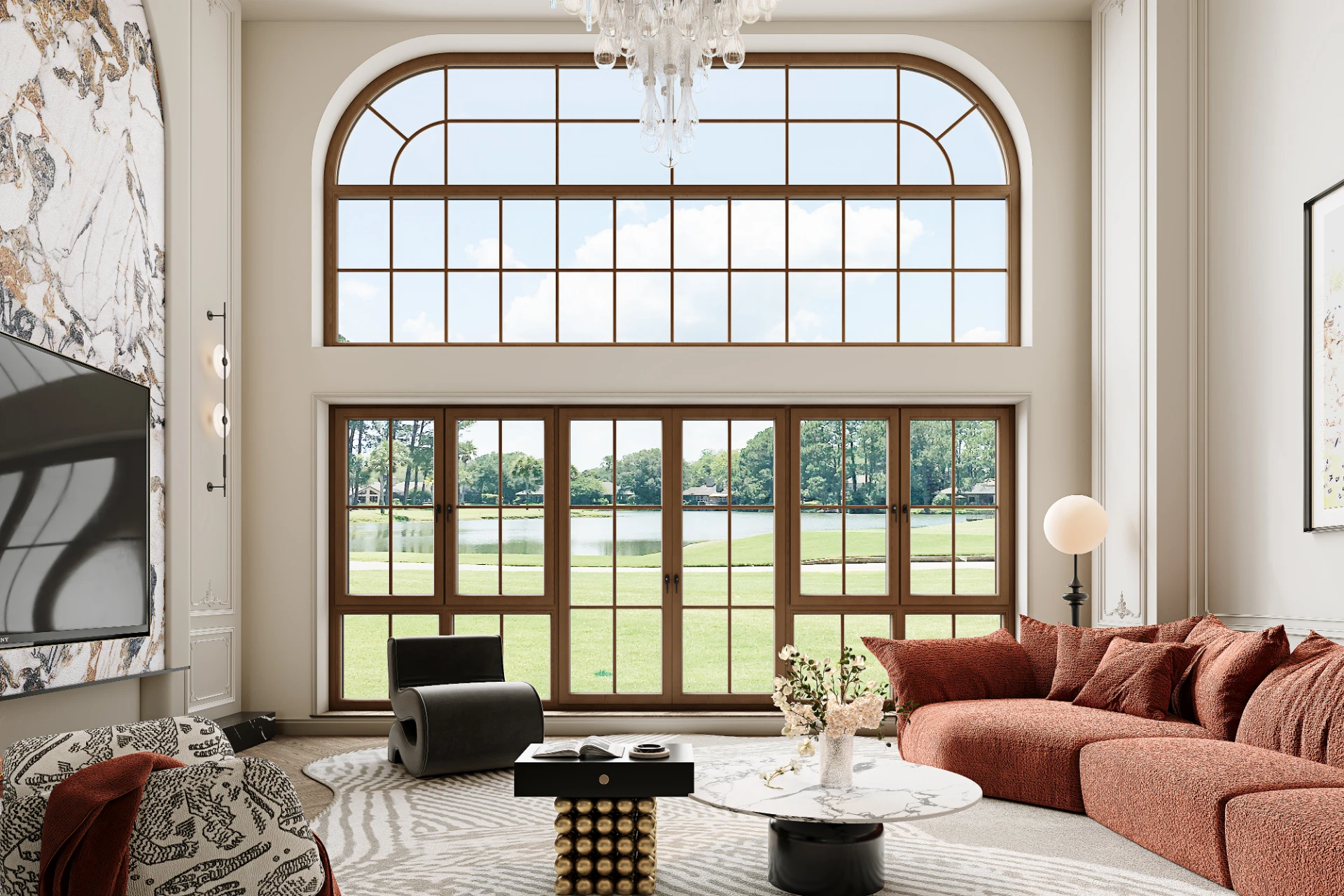
Implementing low iron glass sheet for floor-to-ceiling vistas, ensuring the blue of the Atlantic Ocean is rendered perfectly without the typical green tint.

3. Brasília Institutional Buildings

Applying clear glass low iron for government monuments and museums to maintain a timeless, transparent aesthetic that resists the harsh central plateau UV rays.

4. Curitiba Modern Interior Design

Using white coated glass for high-end kitchen backsplashes and bathroom panels in sustainable urban apartments, offering a hygienic and reflective surface.

5. Manaus Industrial Greenhouses

Employing heavy-duty float glass with specific spectral filters to protect delicate flora from excessive heat while maximizing photosynthetic light.

Brand Story

Global Development Process of Wangmei Industrial Group Co., Ltd.

Industrial Foundation

Founded on the principle of precision, we began by mastering the core float process to provide stable, high-quality raw glass to the global market.

Innovation in Clarity

We invested in low-iron technology to solve the "green tint" pain point, enabling architects to realize truly transparent visions.

Thermal Breakthroughs

Developing advanced Low-E coatings to address the global energy crisis, focusing on spectral selectivity for different climates.

Global Logistics Expansion

Establishing a robust supply chain that ensures fragile, oversized glass sheets reach South American ports safely and efficiently.

Future-Proofing Architecture

Today, we partner with global firms to create sustainable, intelligent glass solutions that protect people and the planet.

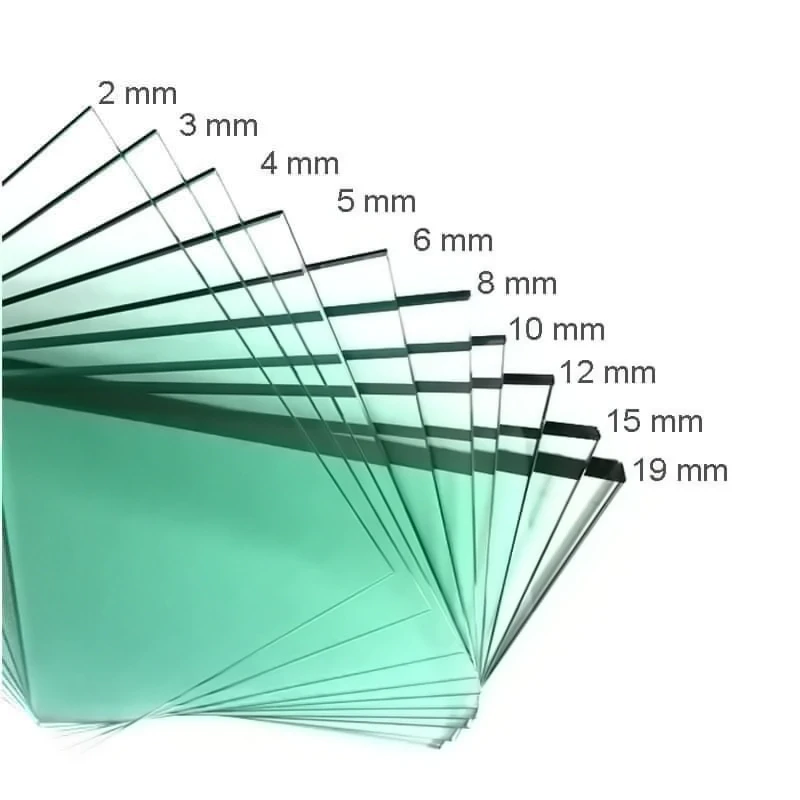
Complete Glass Portfolio for the Brazilian Market

From industrial standard sheets to high-end architectural coatings.

Frequently Asked Questions for Brazil Glass Import

Technical guidance and commercial support for our Brazilian partners.

What are the benefits of using dual low e glass in tropical climates like Brazil?

Dual Low-E glass provides double the thermal protection by reflecting infrared heat back to the exterior while keeping interior warmth stable, drastically reducing electricity consumption for air conditioning.

How does low iron glass sheet differ from standard float glass in terms of clarity?

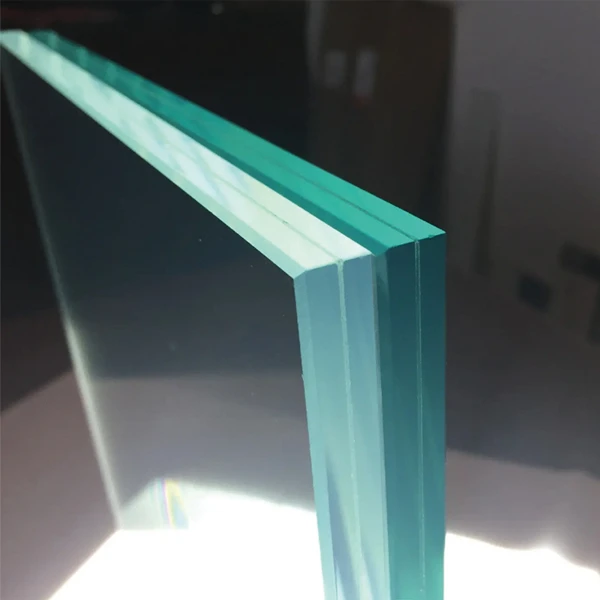
Standard float glass has a natural green hue due to iron oxide. Low-iron glass reduces this content, resulting in a neutral, crystal-clear appearance ideal for luxury storefronts.

Is white coated glass suitable for high-humidity coastal areas in Brazil?

Yes, our white coated glass is engineered with an industrial-grade sealant that prevents moisture penetration and oxidation, making it perfect for humid Atlantic coast environments.

Can clear glass low iron be tempered for safety requirements in Brazil?

Absolutely. Our low-iron glass is fully compatible with tempering and laminating processes to meet all ABNT safety standards for Brazilian construction.

What is the typical lead time for shipping float glass to Brazilian ports?

Depending on the order volume and port of destination (such as Santos or Paranaguá), typical shipping times range from 35 to 50 days, including customs clearance.

How do I specify the correct Low-E coating for a project in Northern Brazil?

We recommend a high-selectivity coating that maximizes visible light transmission while minimizing the solar heat gain coefficient (SHGC) to combat the extreme heat of the North.

Get an Expert Consultation

Our technical team is ready to provide customized glazing specifications for your next project in Brazil.

Contact Us Now

If you are interested in our products, you can choose to leave your information here, and we will be in touch with you shortly.