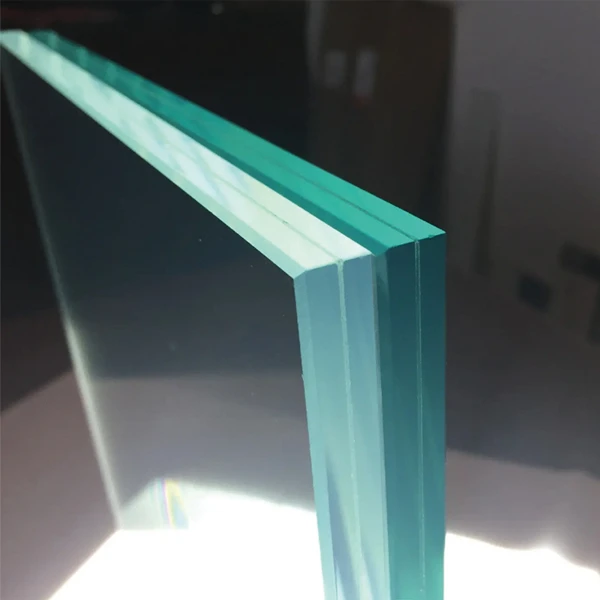
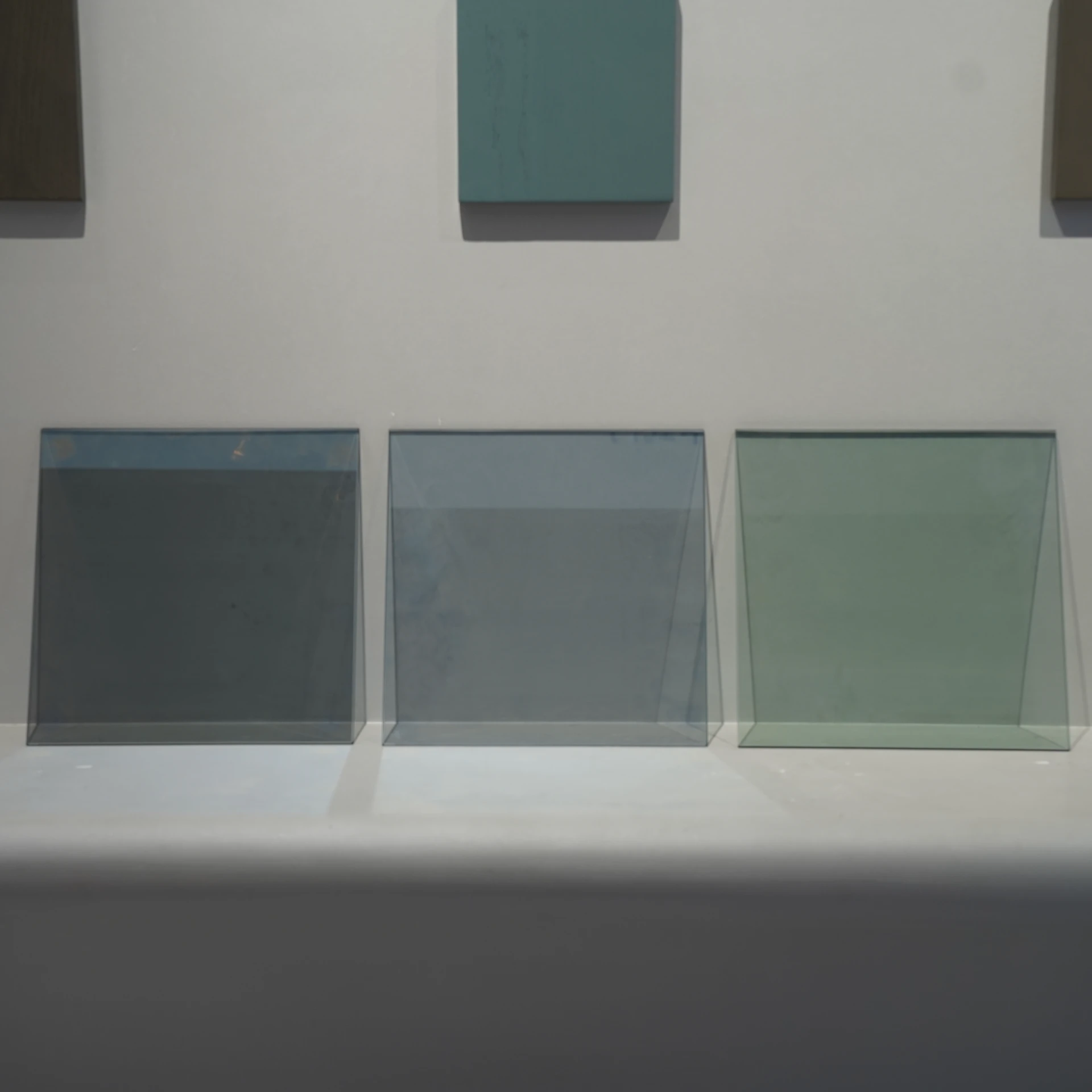
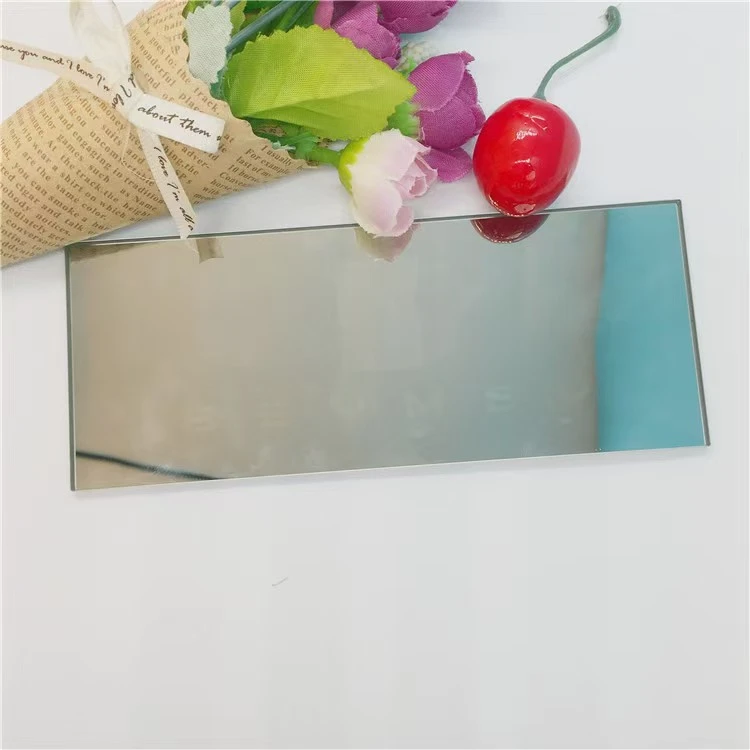
Premium dual low e glass Solutions for Saudi Arabia

High-performance architectural glass engineering designed to combat extreme desert heat and maximize energy efficiency in the Middle East.

Premium dual low e glass Solutions for Saudi Arabia

Integrating advanced thermal insulation and high-transparency optics to meet the rigorous building codes of Saudi Arabia's rapidly expanding urban landscapes.

The Glass Industry Landscape in Saudi Arabia

Addressing the challenges of extreme UV exposure and thermal expansion.

In Saudi Arabia, the construction sector is driven by "Vision 2030," leading to a surge in demand for high-performance float glass. The extreme arid climate requires materials that can withstand temperature fluctuations from 0°C in winter to over 50°C in summer without compromising structural integrity.

The market is shifting from standard glazing to specialized low iron glass sheet to ensure maximum light transmission while minimizing heat gain. The insistence on aesthetic purity in luxury developments in Riyadh and Jeddah has made high-clarity options a baseline requirement.

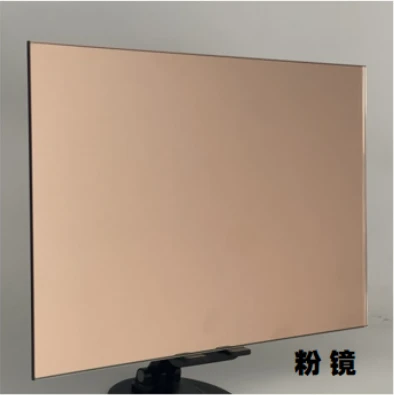
Furthermore, the integration of white coated glass has become essential for facade cooling, reflecting a significant portion of solar radiation to reduce the immense load on HVAC systems in commercial skyscrapers.
Evolution of Glass Technology in the Gulf Region

From basic transparency to intelligent thermal management.

Market Development History

During the early 2000s, the Saudi market relied heavily on standard clear glass, which led to excessive energy consumption due to poor insulation. The primary focus was on basic durability and wind resistance for high-rise structures.

Between 2010 and 2020, there was a technical pivot toward clear glass low iron to enhance the visual quality of modern architecture. This era saw the introduction of basic Low-E coatings to mitigate the harsh solar heat gain typical of the Arabian Peninsula.

From 2021 to the present, the industry has entered the era of "Smart Glazing." The adoption of multi-layered coatings and double-silver Low-E technology has become the standard for LEED-certified projects across the Kingdom.

Future Development Trends

Dynamic Solar Control

Increasing adoption of electrochromic and thermochromic layers that adjust transparency based on real-time solar intensity.

Carbon-Neutral Manufacturing

A shift toward hydrogen-fired furnaces to reduce the carbon footprint of float glass production, aligned with Saudi Green Initiative.

Ultra-High Thermal Breakage

Development of vacuum-insulated glazing (VIG) to achieve R-values comparable to solid walls.

Future Trends & Strategic Outlook

Predicting the next 5 years of architectural glazing in Saudi Arabia.

Net-Zero Glazing
Focus on low-carbon manufacturing processes to support Saudi Arabia's sustainability goals.
BIPV Integration
Building-Integrated Photovoltaics combining power generation with solar control glass.
Ultra-Clear Aesthetics
Higher demand for low-iron sheets in high-end retail and luxury residential sectors.
Advanced Thermal Breaks
Sophisticated edge-sealing technologies to prevent condensation in AC-cooled interiors.

Industry Outlook

Based on Google search trends for "energy-efficient buildings" in Saudi Arabia, we predict a 40% increase in the specification of double and triple silver Low-E glass over the next 3 years. The push toward the NEOM project is accelerating the demand for futuristic, high-strength glass solutions.

The market will move away from general-purpose float glass toward highly customized, functional glass that integrates with automated building management systems (BMS) to optimize energy usage in real-time.

Localized Application Scenarios in Saudi Arabia

Tailored glass implementations for the unique Saudi environment.

01. High-Rise Commercial Towers in Riyadh

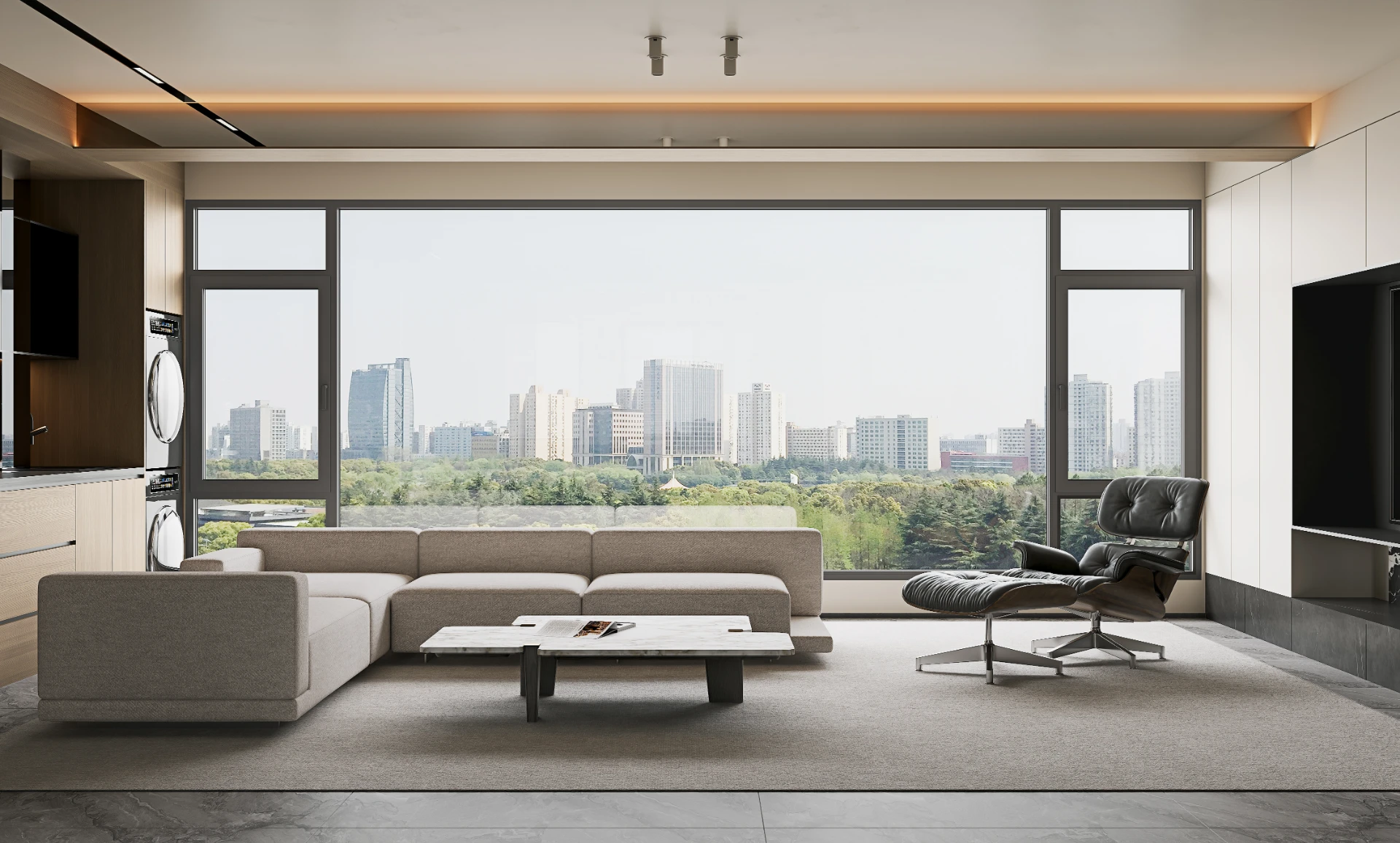
Utilizing dual low e glass to maintain interior temperatures while offering panoramic views of the city skyline, significantly reducing electricity costs for cooling.

02. Luxury Residential Villas in Jeddah

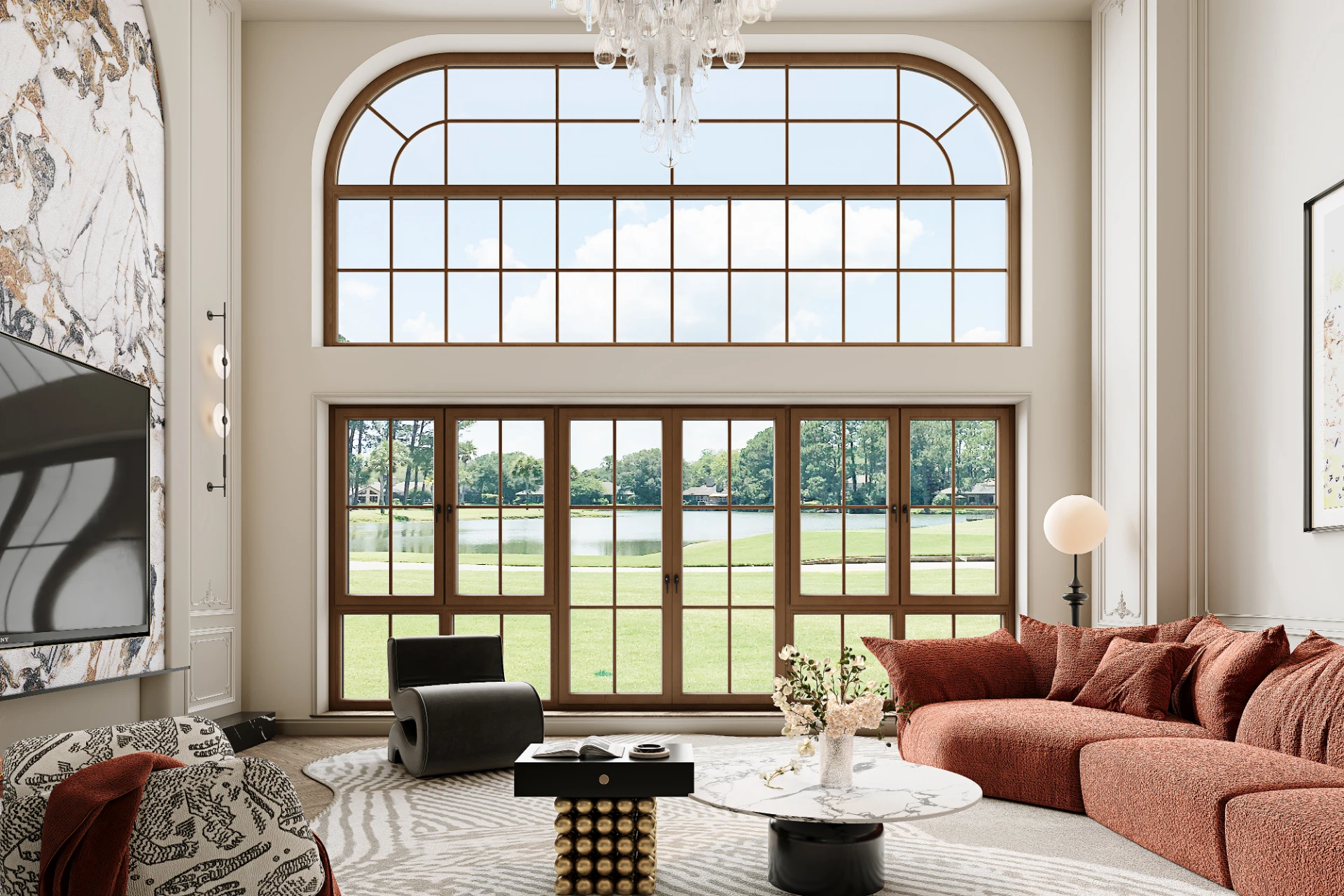
Implementation of low iron glass sheet for oversized floor-to-ceiling windows to provide crystal clear vistas of the Red Sea without the greenish tint of standard glass.

03. Modern Retail Showcases in Mecca

Deployment of clear glass low iron for high-end boutiques to ensure product colors are displayed with absolute accuracy under intense artificial and natural lighting.

04. Industrial Warehouse Facades in Dammam

Application of white coated glass to reflect maximum sunlight, preventing the "oven effect" in large-scale storage facilities.

05. Public Infrastructure in NEOM

Integration of ultra-strong, high-thermal-efficiency float glass components for sustainable, futuristic urban modules designed for zero-emission living.

Brand Story

Global Development Journey of Wangmei Industrial Group Co., Ltd.

Foundation of Excellence

Established with a vision to redefine transparency, we began by mastering the core chemistry of float glass production to serve regional architectural needs.

Technological Breakthrough

We pioneered the integration of low-iron refining processes, solving the industry pain point of color distortion in large-scale architectural projects.

Global Market Expansion

Expanding our footprint into the Middle East, we adapted our coating technologies to withstand the extreme UV and heat of the Saudi Arabian desert.

Commitment to Sustainability

Launched our eco-friendly Low-E series, focusing on reducing the global carbon footprint by lowering the energy demand of modern buildings.

The Future of Glass

Today, we lead the industry in smart-glass solutions, combining aesthetics with intelligent thermal management for a greener planet.

Complete Glass Portfolio for the Saudi Market

From ultra-clear low iron to energy-saving Low-E coatings, our products are engineered for the Gulf climate.

Saudi Arabia Glass Industry FAQ

Expert answers to common technical queries in the Middle East region.

How does dual low e glass improve energy efficiency in Riyadh?

Dual Low-E glass uses two silver layers to block a higher percentage of infrared heat while allowing visible light, reducing cooling costs by up to 30% compared to standard glazing.

What is the advantage of low iron glass sheet over standard float glass?

Low iron glass removes the iron oxide that causes the green tint, resulting in superior clarity and color neutrality, which is essential for high-end storefronts.

Can clear glass low iron withstand extreme desert temperatures?

Yes, when properly tempered or laminated, it maintains excellent structural stability and clarity even under the intense thermal stress of the Saudi desert.

Why should I choose white coated glass for my building facade?

White coated glass increases the solar reflectance index (SRI), reflecting a massive amount of solar radiation and preventing the building's exterior from overheating.

What are the maintenance requirements for float glass in sandy environments?

Regular cleaning with non-abrasive solutions is recommended to remove sand deposits, which can otherwise cause micro-scratches over long periods.

How does Saudi building code influence the choice of glazing?

The codes increasingly mandate lower U-values and higher SHGC (Solar Heat Gain Coefficient) standards, making high-performance Low-E glass a legal necessity for new builds.

Get Expert Glass Consultation

Partner with the leading glass manufacturer to optimize your next project in Saudi Arabia.

Contact Us Now

If you are interested in our products, you can choose to leave your information here, and we will be in touch with you shortly.